
Practical guides on precision agriculture, sensors, drones, and water management -- written for farmers who want technology that works.
Installing an aftermarket autosteer kit on an older tractor takes most of a day and follows a fixed order: fix the front-end steering slop first, run clean power to the battery, mount the GPS antenna dead-center over the axle, bolt on the steering hardware, enter the machine geometry, run the guided calibration, then tune the aggressiveness setting until it holds a line without weaving.
Read More →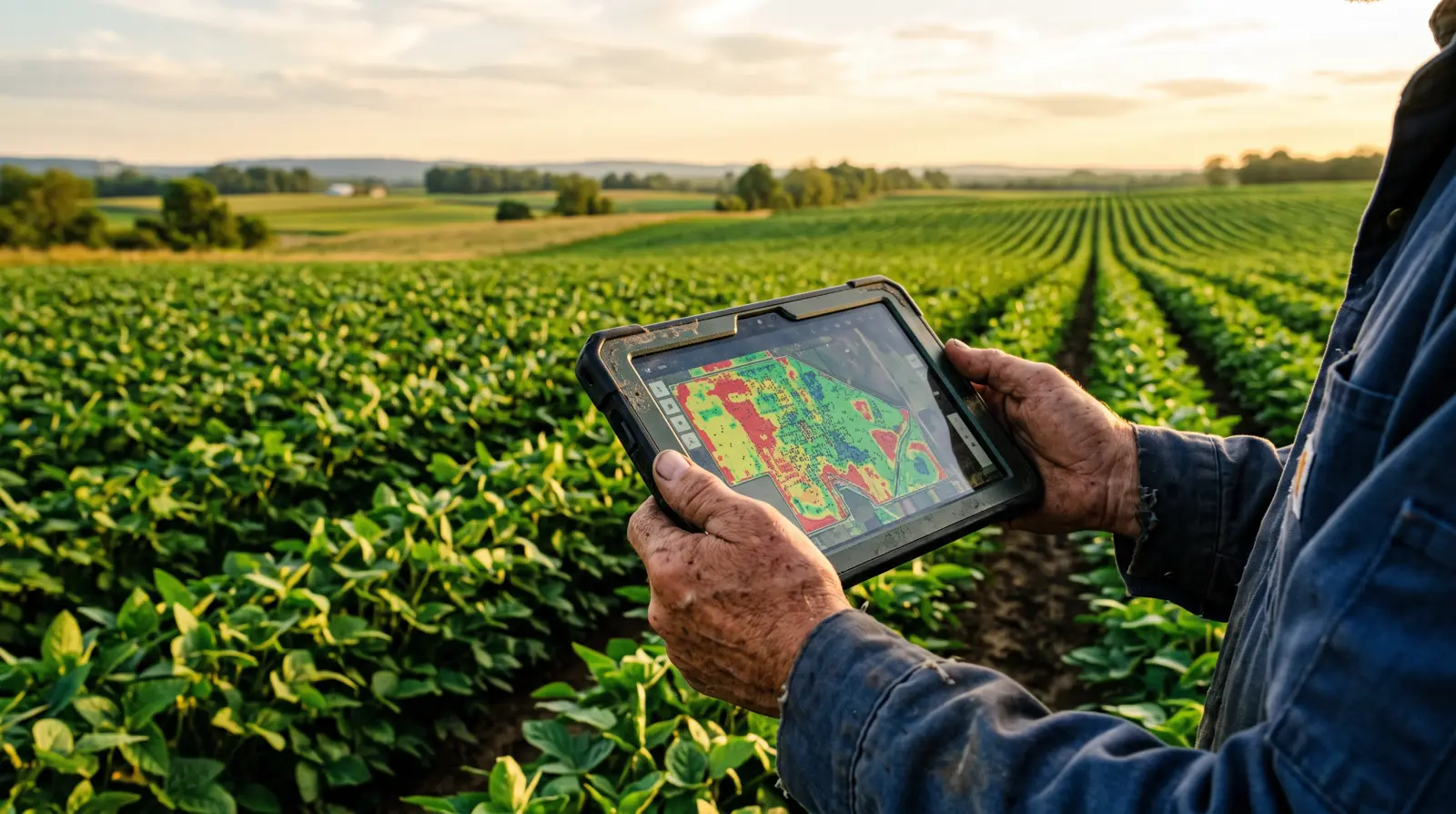
The AI crop scouting marketing has gotten ahead of the AI crop scouting reality. The agricultural technology vendors are putting machine learning labels on every product that touches an image, the implements at the equipment shows have screens advertising real-time AI weed detection, the satellite imagery providers are pitching AI-powered field health analysis, and the drone services are selling AI prescriptions for variable rate applications.
Read More →
AI livestock facial recognition identifies individual animals by reading the unique ridge-and-bead pattern of a cow's muzzle, which is as distinctive as a human fingerprint. A phone app or overhead camera captures the pattern and matches it against a database.
Read More →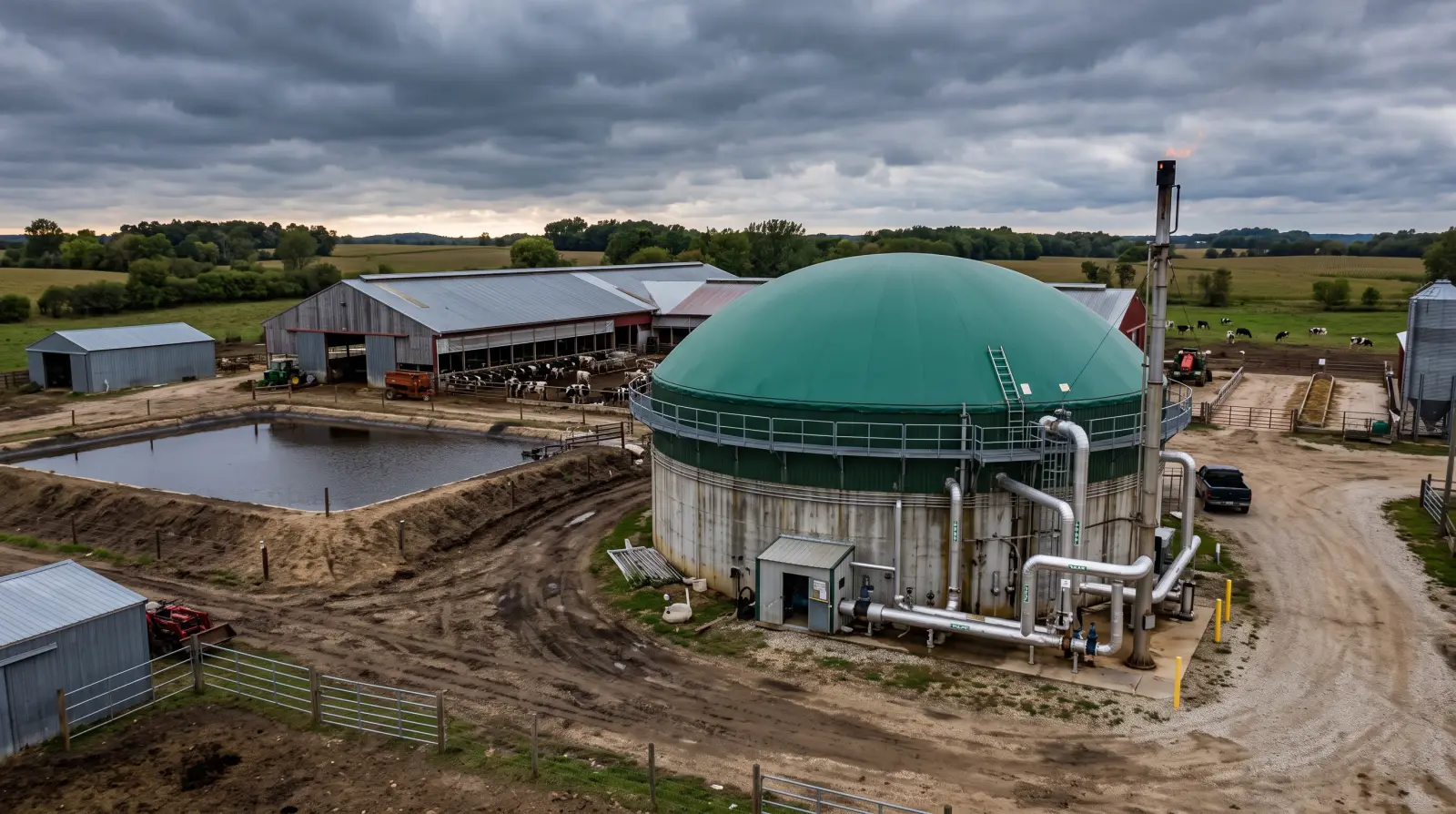
An on-farm anaerobic digester is a sealed, oxygen-free tank where bacteria break down manure into biogas, bedding-grade fiber, and treated liquid. It is not really an energy project.
Read More →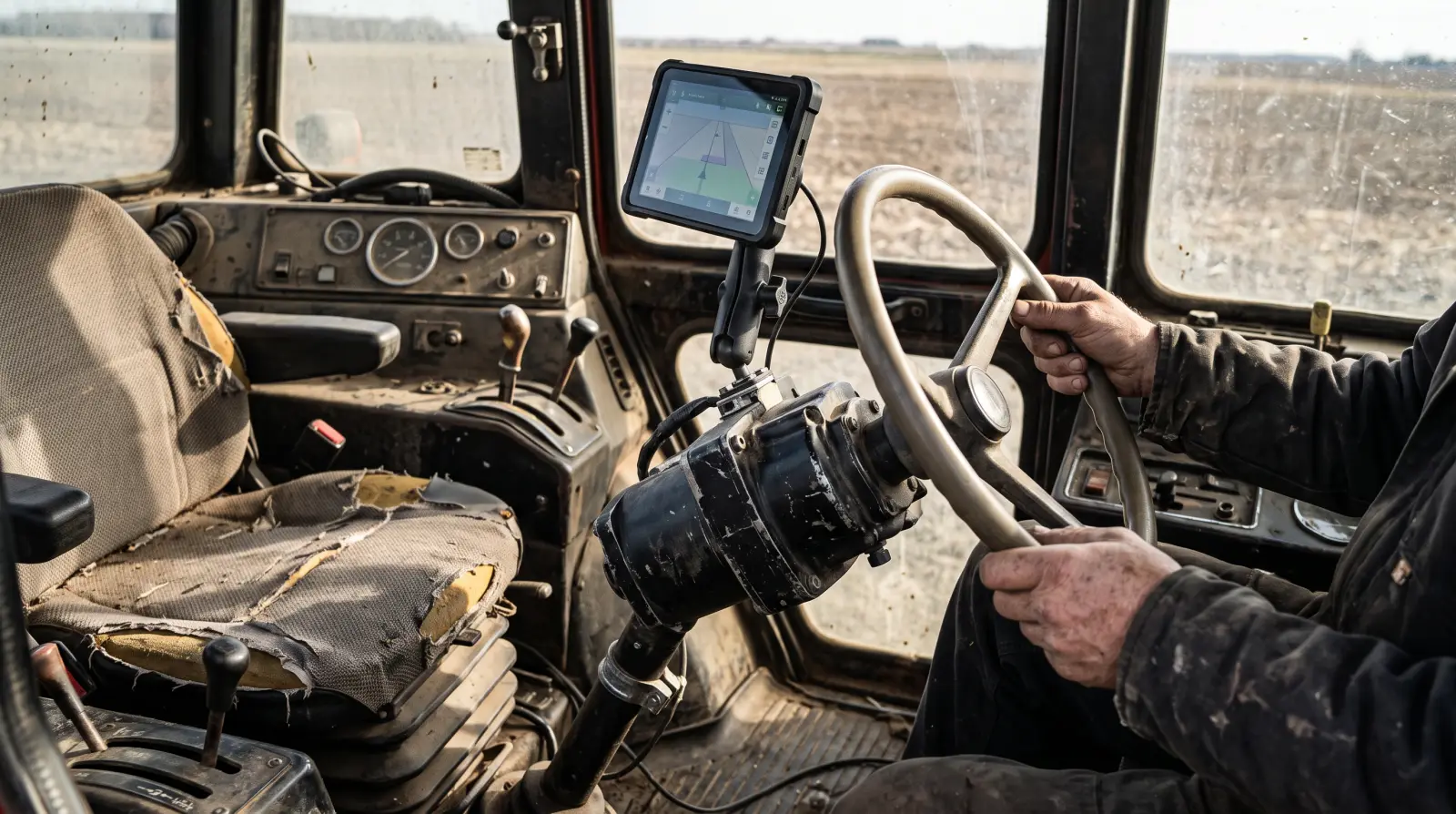
Auto steer used to be a feature you bought with the tractor, which meant that if your tractor was fifteen years old and paid for, the technology was effectively off the table unless you traded into a newer machine you did not need and could not justify. That has changed.
Read More →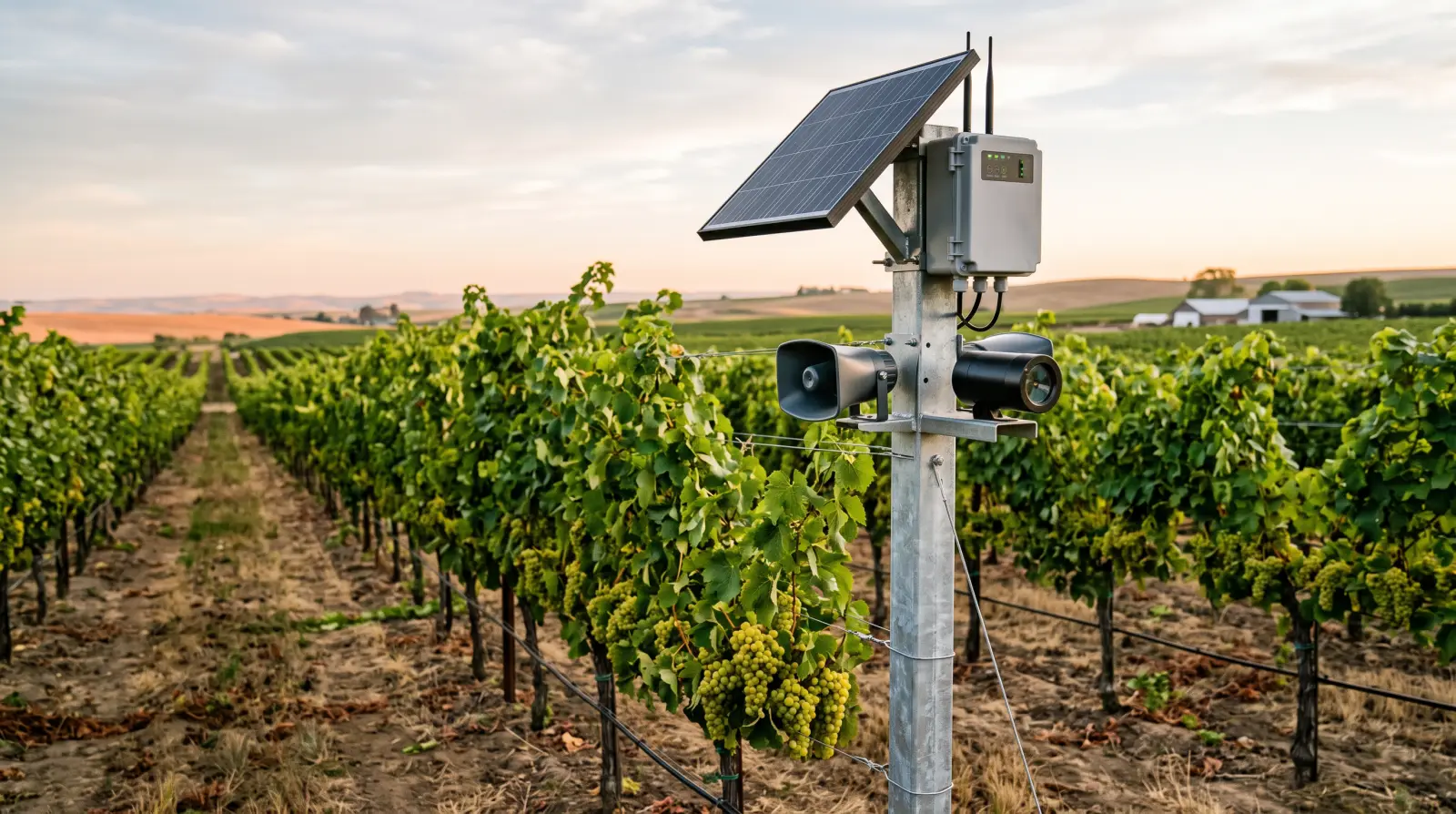
An automated bird deterrent works on a farm only if the animal cannot learn to ignore it. Moving green lasers, detect-and-respond systems, and patrol drones beat propane cannons and static balloons because motion and unpredictability are built in.
Read More →
An automated calf feeder only works as well as its settings and daily routine. Build a nutrition plan of roughly 8 to 12 liters a day across four to six meals, read the health alerts every morning and act on them, and clean the teat and lines on a fixed schedule.
Read More →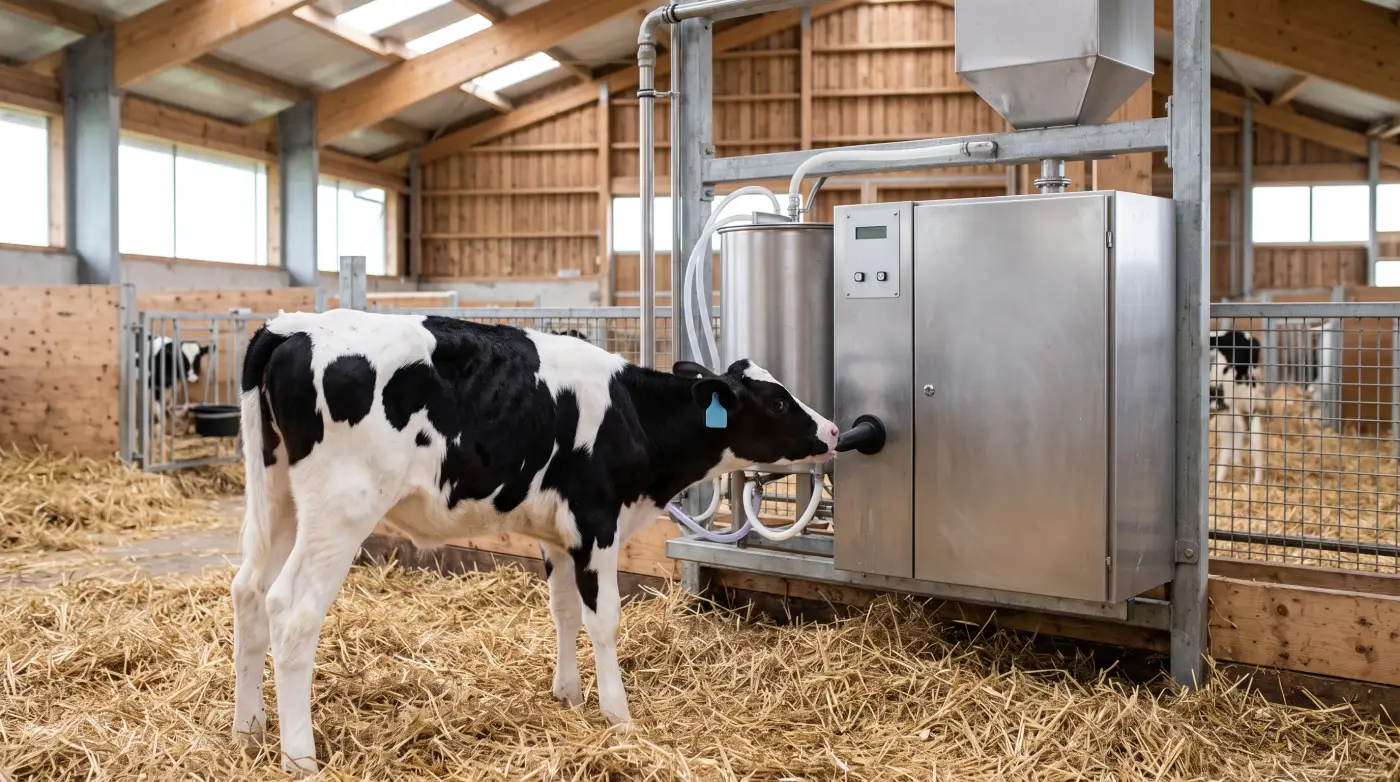
Feeding milk to a barn full of calves twice a day is one of the most labor-bound jobs on a dairy. It does not flex.
Read More →
Automated fertigation injects water-soluble fertilizer into the irrigation stream and uses inline EC and pH sensors to hold the mix to a setpoint, driving dosing pumps whenever the reading drifts. Instead of one or two heavy fertilizer passes, the crop is spoon-fed small, frequent doses right at the root zone.
Read More →
Automating grain handling means solving three separate jobs, not buying one machine: keeping people out of the bin, protecting grade from cracks and fines, and running the pit-to-bin path with one set of hands. Danger, damage, and labor each need different equipment, and the cheapest fixes are usually mechanical, not electronic.
Read More →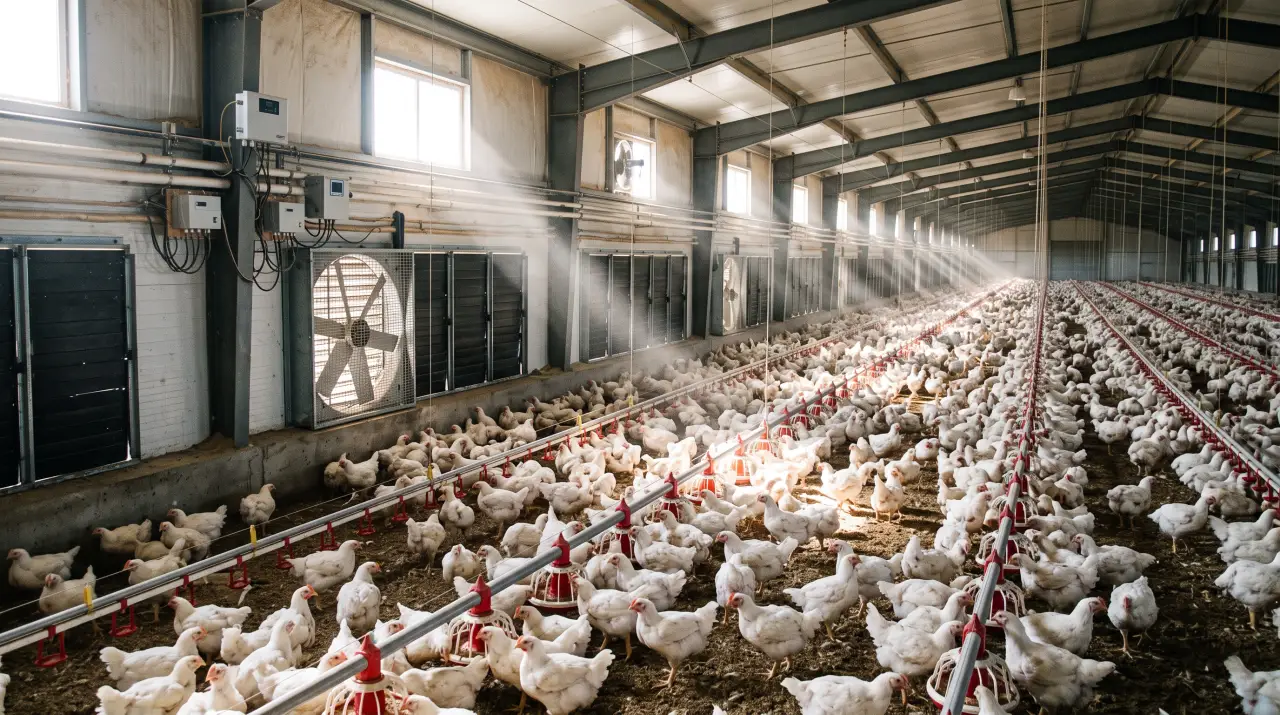
In an enclosed poultry house, automated climate control is the flock's life support, not a comfort upgrade. One environmental controller runs four jobs: it holds temperature, exchanges air to keep ammonia down, cools the house with tunnel airflow and evaporative pads, and triggers alarms and backup power when something fails.
Read More →
Automated produce sorting uses cameras and sensors to grade fruit and vegetables by size, color, shape, and surface defects, then routes each item to the right pack. For small and mid-size farms it pays off only when a real labor bottleneck meets a grade-based price spread.
Read More →
Autonomous forestry mulchers, as marketed for farm brush clearing, are almost always remote-controlled tracked carriers, not self-driving robots. An operator runs them from 300 to 1,000 feet away with a belly-pack transmitter, keeping a person off a machine that works slopes up to 55 degrees.
Read More →
Syncing a grain cart with the combine means linking the two machines over a wireless network so the cart tractor automatically matches the combine's position and speed during unload on the go. Driver-assisted sync, like John Deere Machine Sync, keeps a driver in the cart tractor; full autonomy, from Raven Cart Automation or AGCO OutRun, removes the driver entirely.
Read More →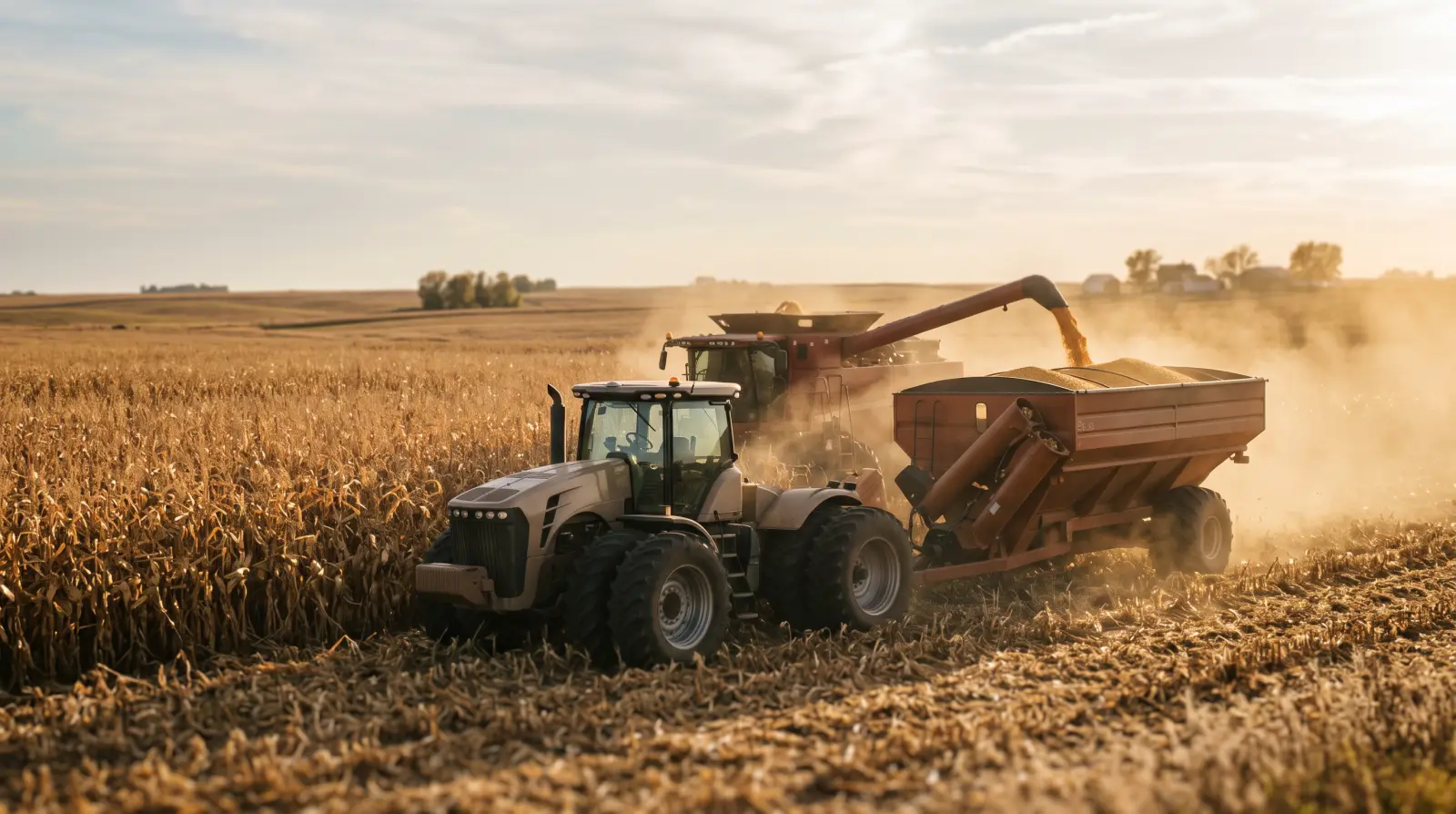
Every harvest comes down to one question: is the combine moving or is it sitting? A combine that stops to wait on a grain cart is burning the most expensive hour on the farm.
Read More →
An autonomous laser weeding robot is a self-driving machine that uses cameras and computer vision to find each weed, then fires a laser to heat its growing point until the plant dies. No chemicals, no tillage, no soil disturbance.
Read More →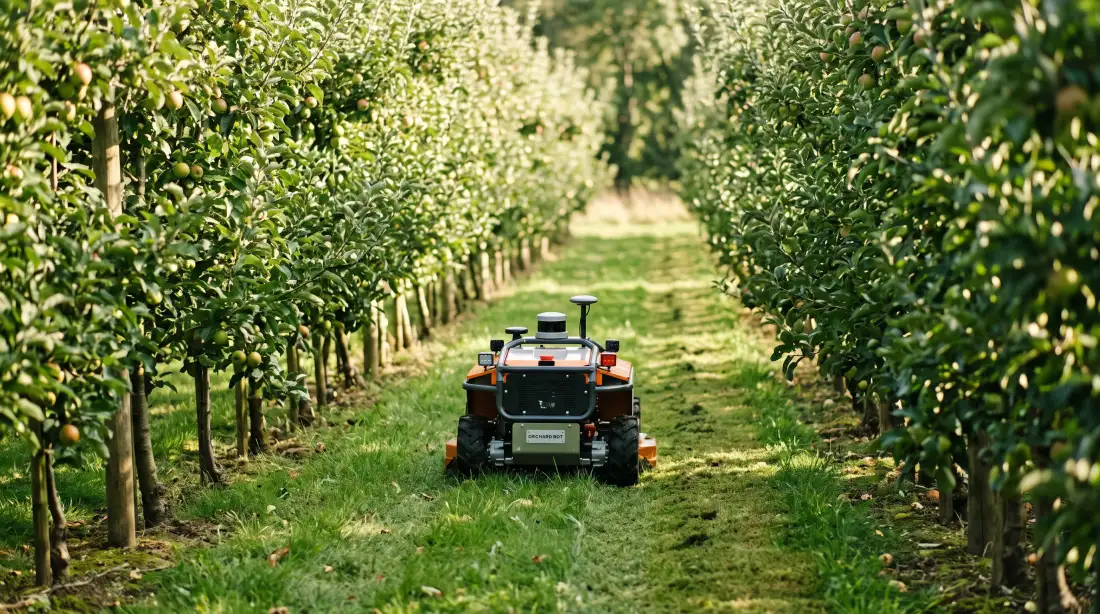
On a farm, "autonomous mower" means two different machines. Slow solar crawlers like Vitirover manage the orchard and vineyard floor, replacing herbicide and tillage.
Read More →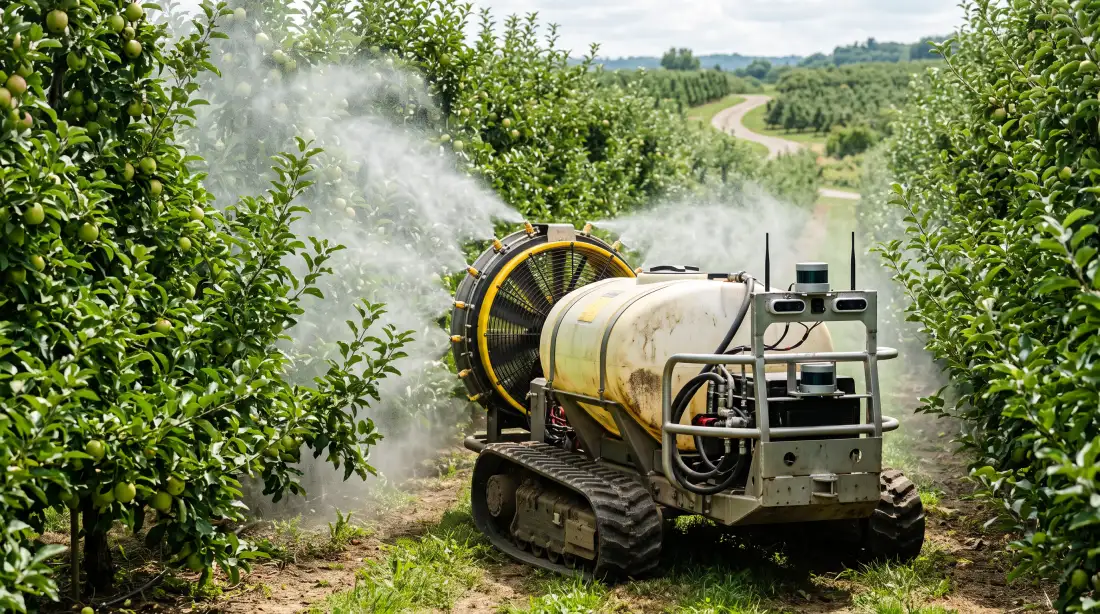
A "smart" orchard sprayer is really two separate upgrades wearing one label. Sensor-guided control uses LiDAR or ultrasonic scanning to dose each tree by its actual canopy, cutting chemical use 30 to 85 percent.
Read More →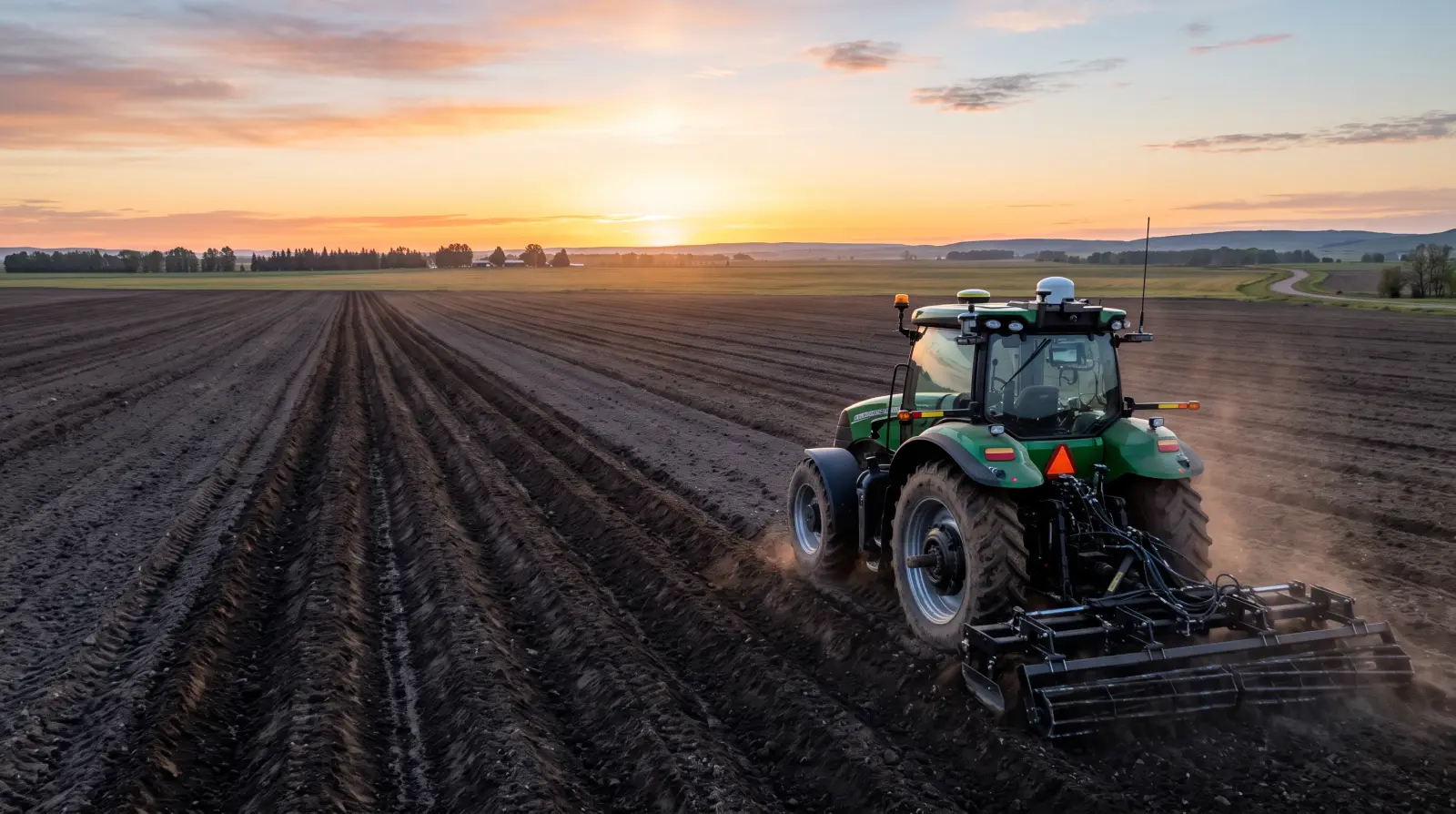
The autonomous tractor pitch has been on the trade show floor for a decade now, and the gap between the renderings on the booth banner and the iron actually working in fields has been embarrassing for most of that time. The shift in 2026 is that the gap has narrowed to the point where some of this technology is genuinely operational on real farms doing real work, while a meaningful share of it is still vapor wrapped in a press release.
Read More →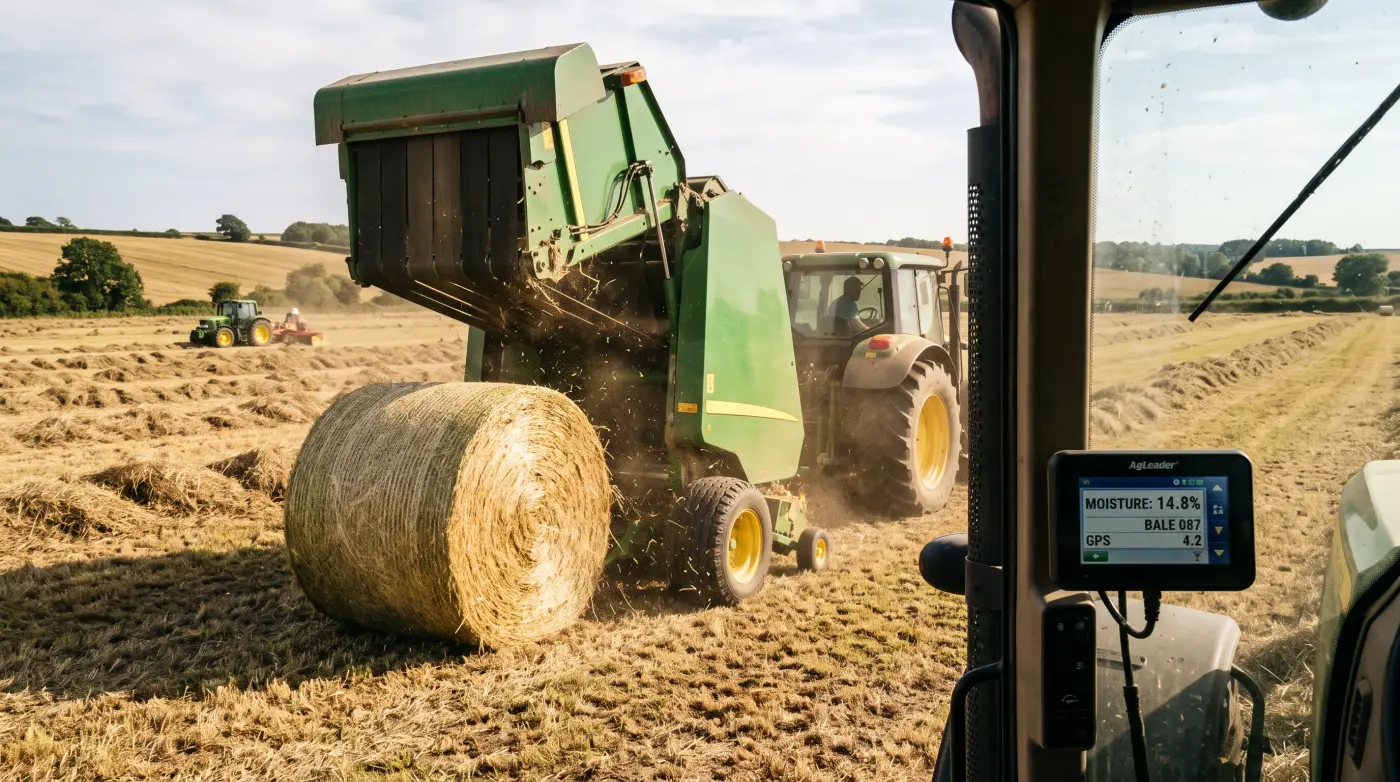
A baler monitor reads hay moisture as the crop feeds into the chamber, and on automated systems it triggers a variable-rate applicator to spray buffered propionic acid whenever the hay runs too wet. Together with per-bale weight sensing, the setup lets you bale nearer the wet edge of the safe window, keep the leaves, and log every bale.
Read More →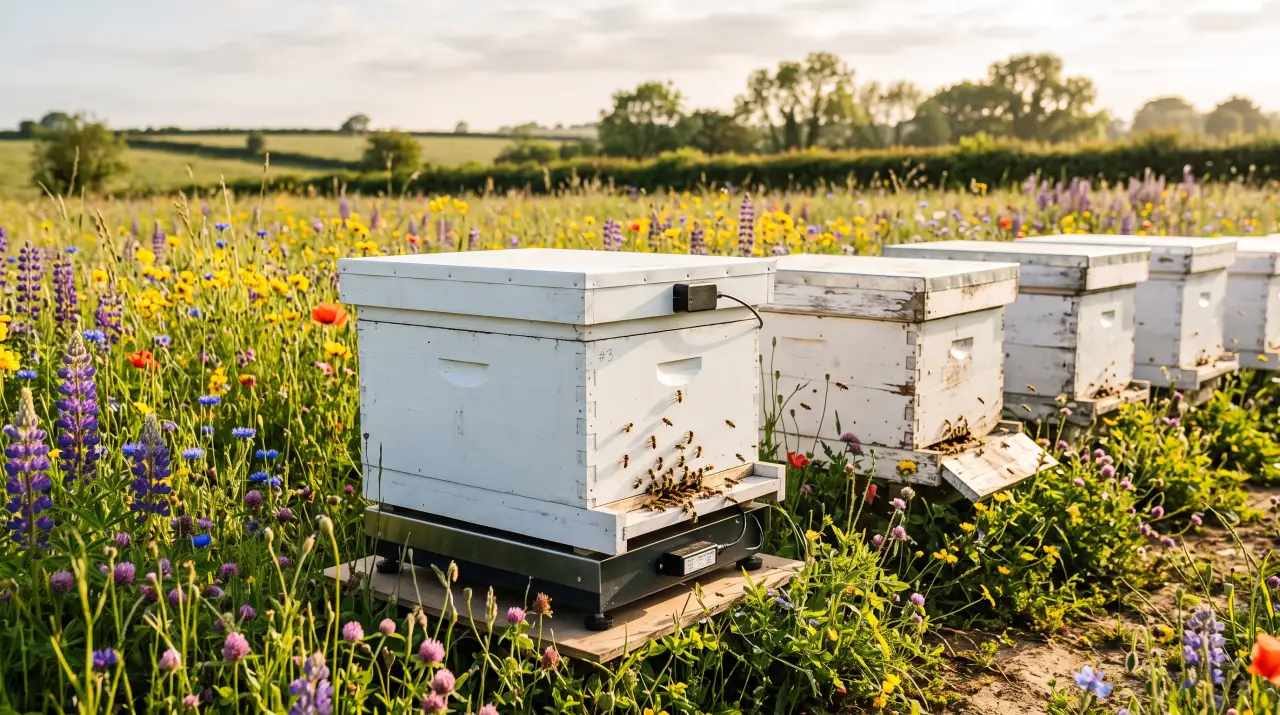
A colony of honey bees is one of the few livestock units on a farm that gives almost no warning before it fails. A herd of cattle looks sick before it dies.
Read More →
The best time to fish today is usually first light or the last hour before dark, when low light gives fish cover to feed. Stack a solunar major or minor window onto that, plus a steady or falling barometer, and you have a genuinely strong hour rather than a guess.
Read More →
On-farm biochar is charred woody waste - brush, prunings, and storm debris pyrolyzed in a simple flame-cap kiln - turned into a stable soil amendment. The honest payback is not a guaranteed yield bump.
Read More →
An acre is 43,560 square feet, and it has no required shape - any 43,560 square feet is an acre, square or crooked. So the job is always the same: measure the field in square feet, divide by 43,560 to get acres, then multiply your per-acre seed and fertilizer rates by that acreage.
Read More →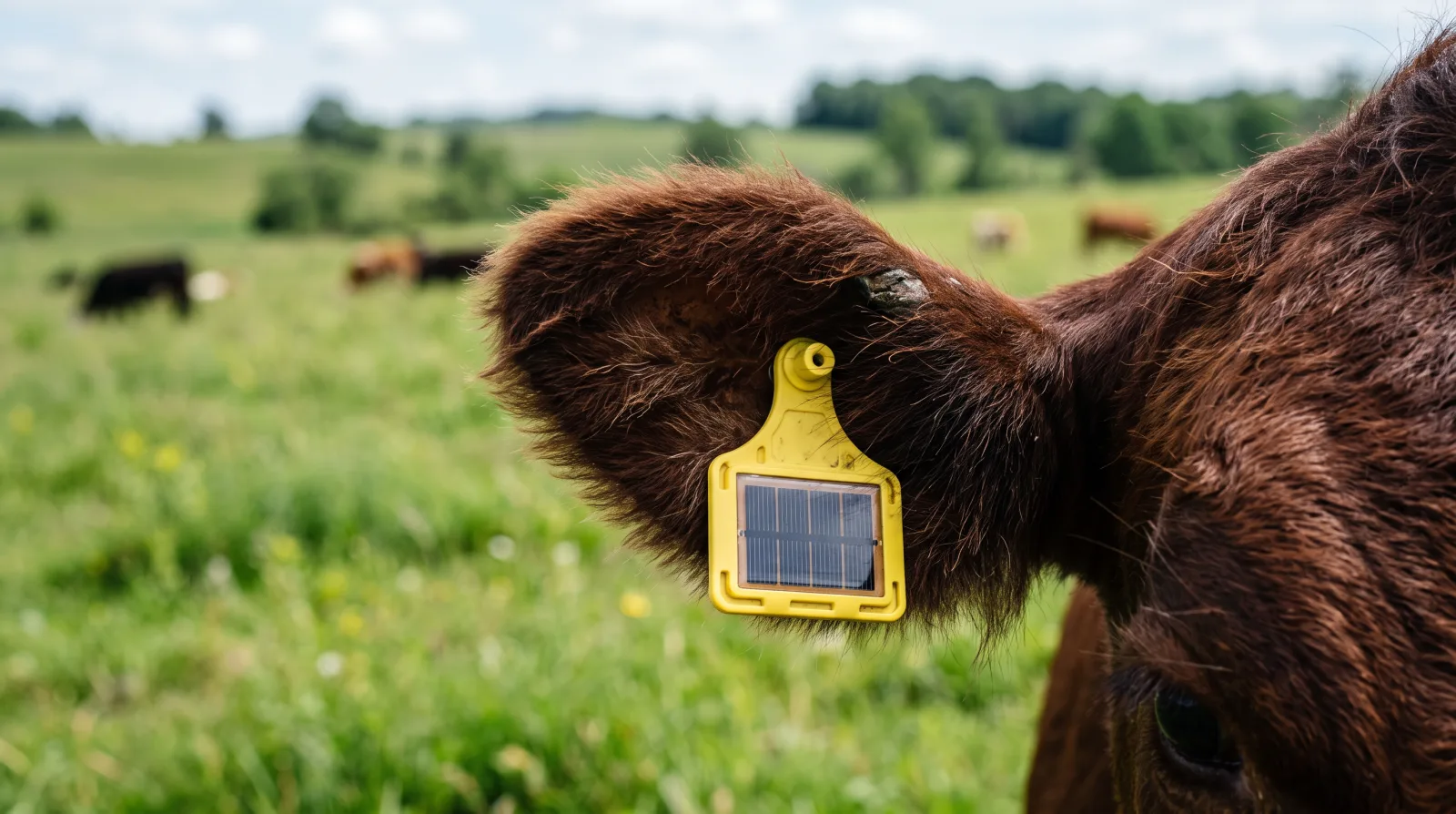
Cattle GPS ear tags arrived on the scene with a pitch that any rancher who has spent an afternoon fitting and adjusting collars finds immediately appealing: put the locating hardware in the ear, where you are already tagging the animal, and skip the collar entirely. The promise is a lighter device, a familiar handling workflow, no neck-fit problem to manage across a season of changing body condition, and a path to the same herd location data that the collar systems deliver.
Read More →
A cattle heat detection collar or activity tag catches estrus by spotting the sharp rise in movement a cow shows when she comes into heat, measured against her own baseline, around the clock. It does not raise fertility.
Read More →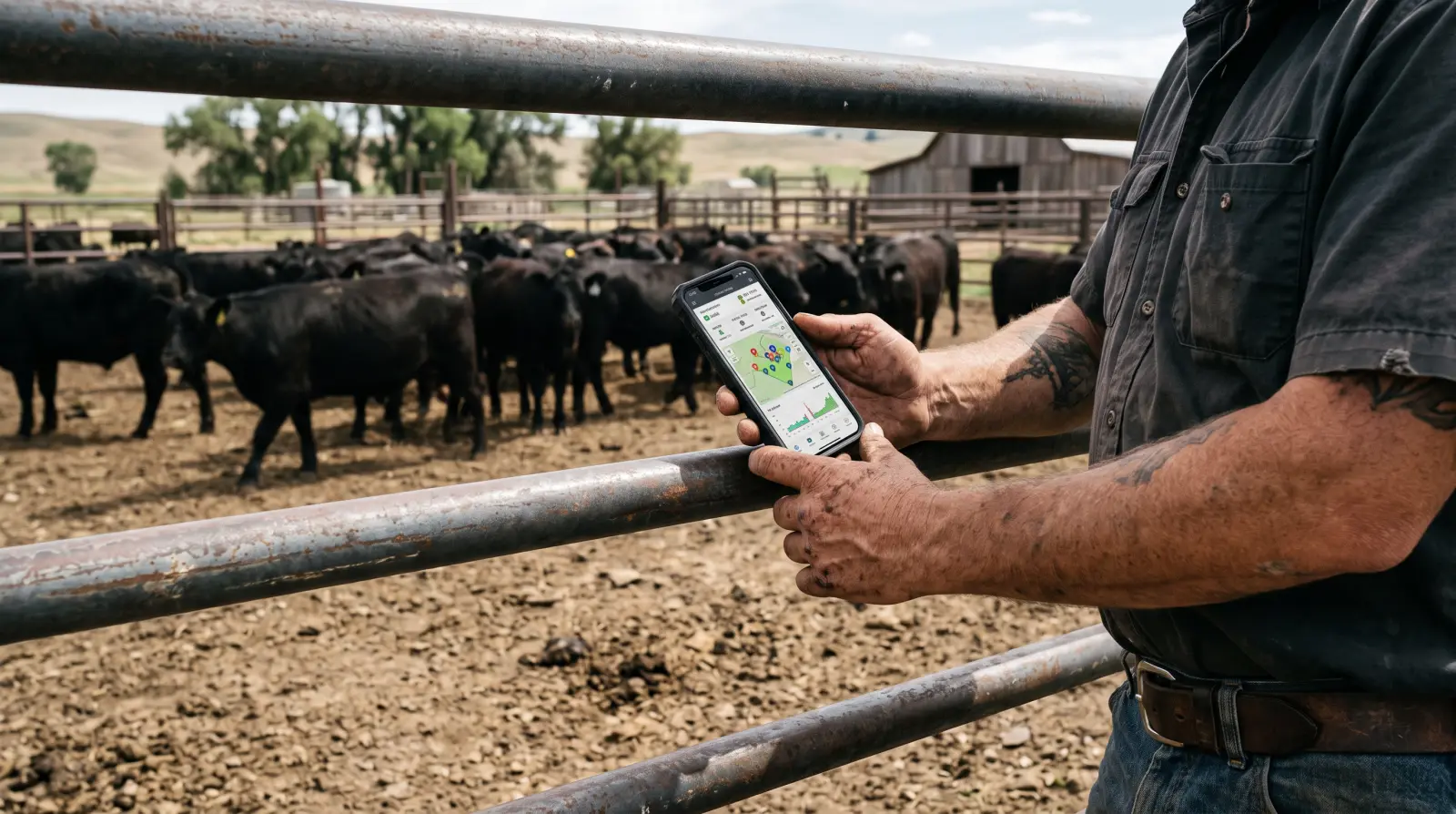
Cattle management software has gone from a curiosity that mostly large feedlot operations bothered with to a practical tool that pencils out for almost any commercial herd of fifty head or more. The reasons are not glamorous.
Read More →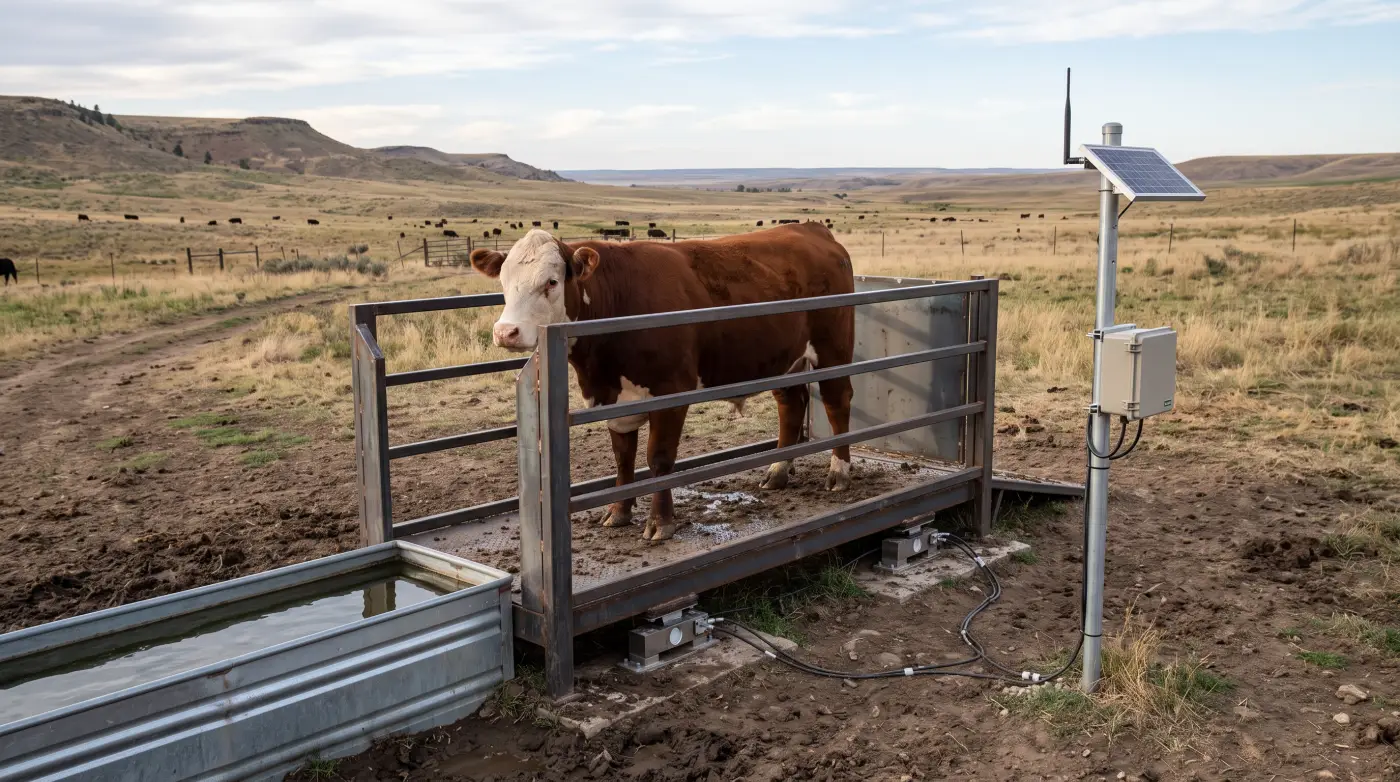
Ask any cow-calf or backgrounding operation how often they actually put the herd across a scale, and the honest answer is usually "not as often as we should." There is a reason for that, and it has nothing to do with not caring about weight gain. Weighing cattle the conventional way is a half-day job with real costs attached.
Read More →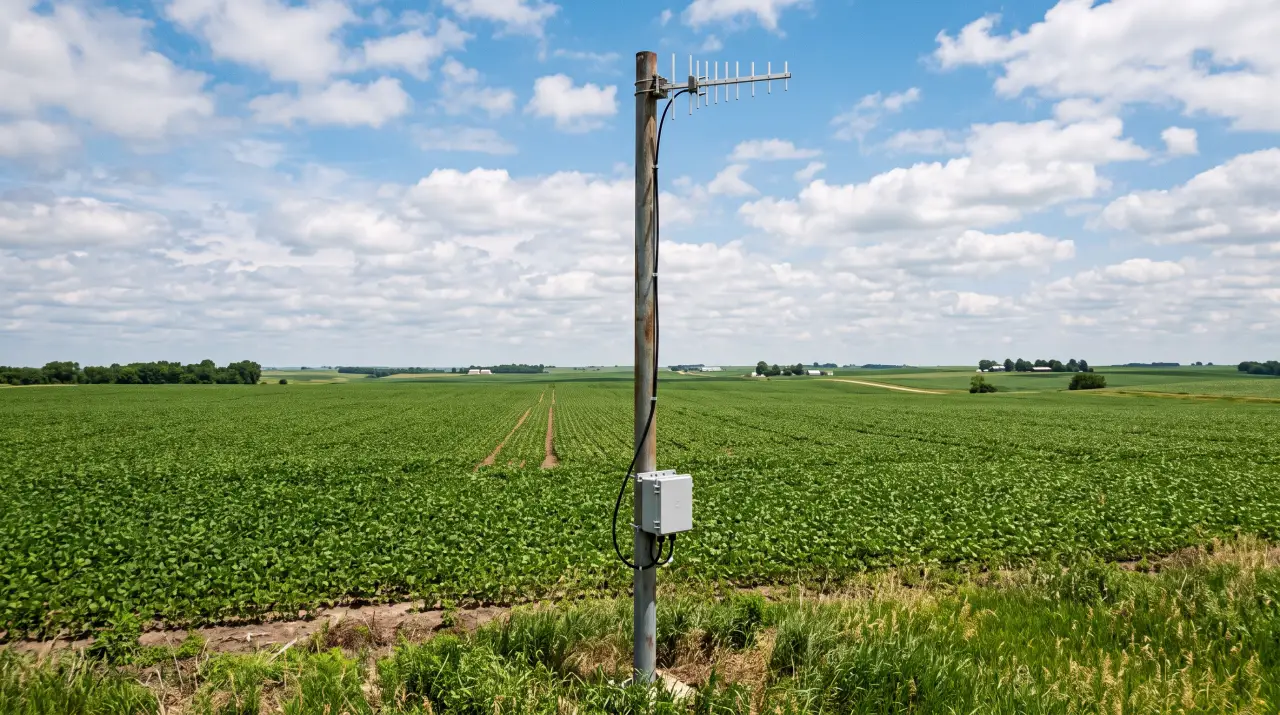
There is one thing every signal booster ad leaves out, and it is the thing you most need to know before you spend a dime: a booster amplifies a weak signal, it cannot create a signal that is not there. If the spot you want to fix has a sliver of bars to work with, the right booster can turn it into something usable.
Read More →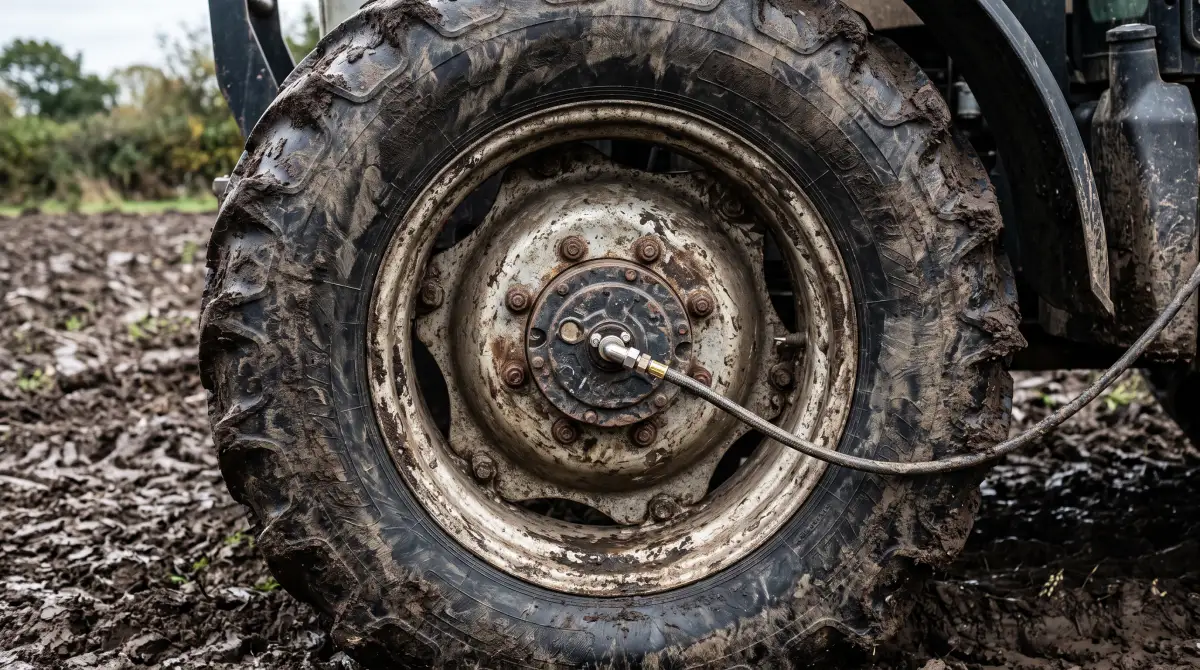
Most farms run their tractor tires at one pressure all year, and that pressure is wrong almost all the time. It is too hard for the field, where a softer tire would spread the load and save the topsoil, and it is often too soft for the road, where a firmer tire would roll easier and last longer.
Read More →
To check if a creek is too high to cross, open the nearest upstream USGS streamgage on the National Water Dashboard and read its trend: rising, holding, or falling, and how far above normal. That tells you what the drainage is doing.
Read More →
Before you sell grain or livestock, check three numbers, not one: the futures benchmark that sets the direction, your local cash bid that says what you actually get paid, and your basis, which is cash minus futures and tells you whether local demand is strong right now. The headline price is almost never the one that lands in your check.
Read More →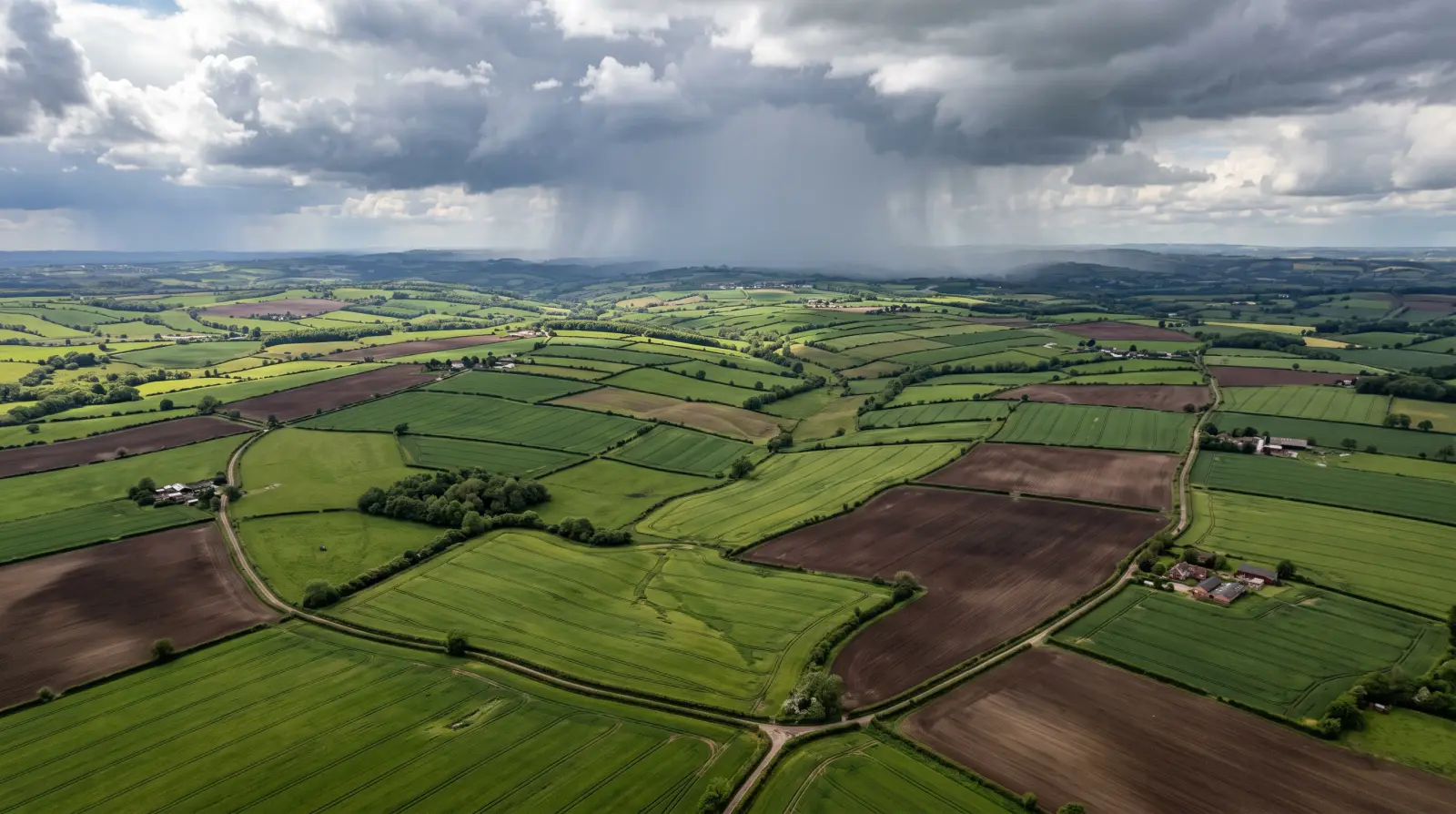
Climate-resilient crop planning is no longer a topic reserved for academic conferences and policy papers. It is the working margin between an operation that puts up a profit in a bad weather year and one that hands the difference back to the bank.
Read More →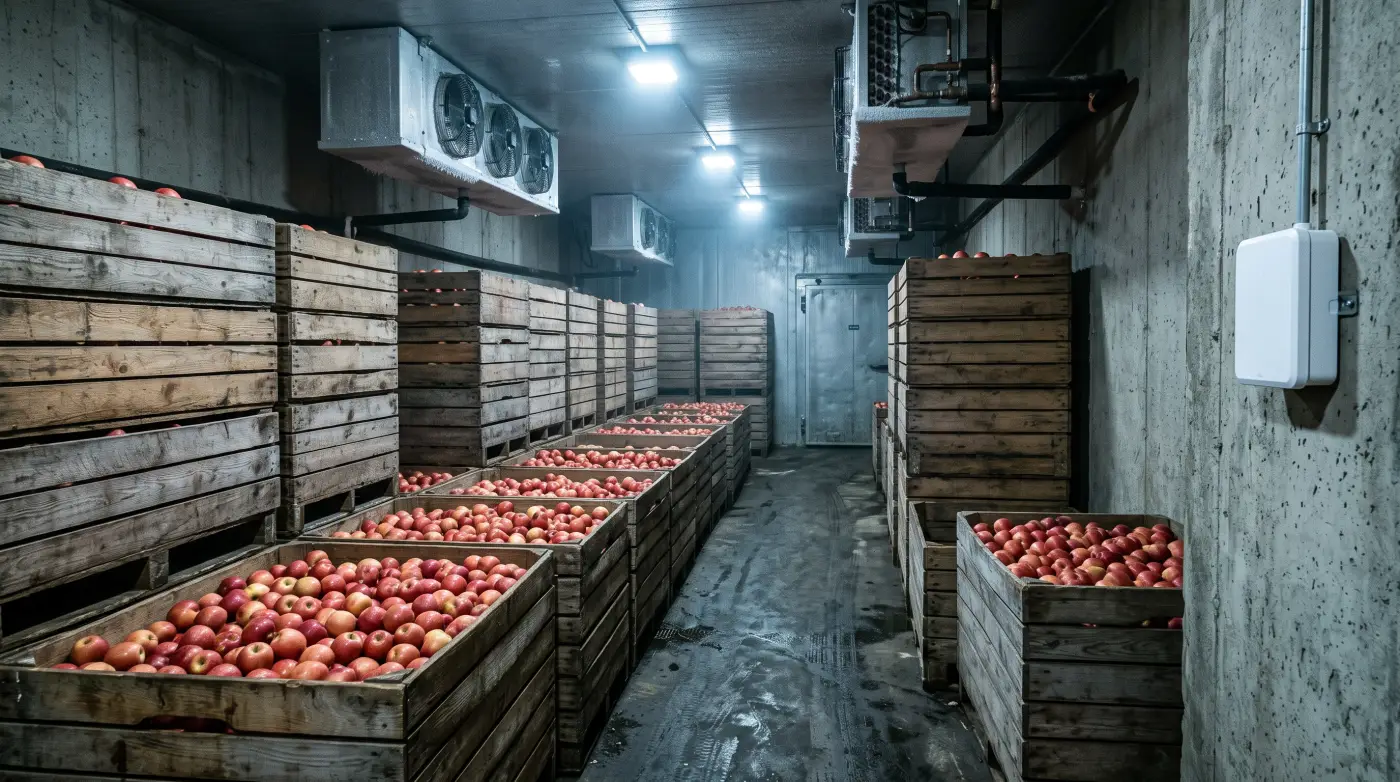
A produce farm's cold storage monitor does two things a cheap thermometer cannot: it alarms your phone the moment the cooler drifts out of range, especially overnight when a compressor failure can cost thousands, and it logs temperature and humidity against your crop's real needs, since produce like tomatoes and cucumbers is damaged by cold, not just heat.
Read More →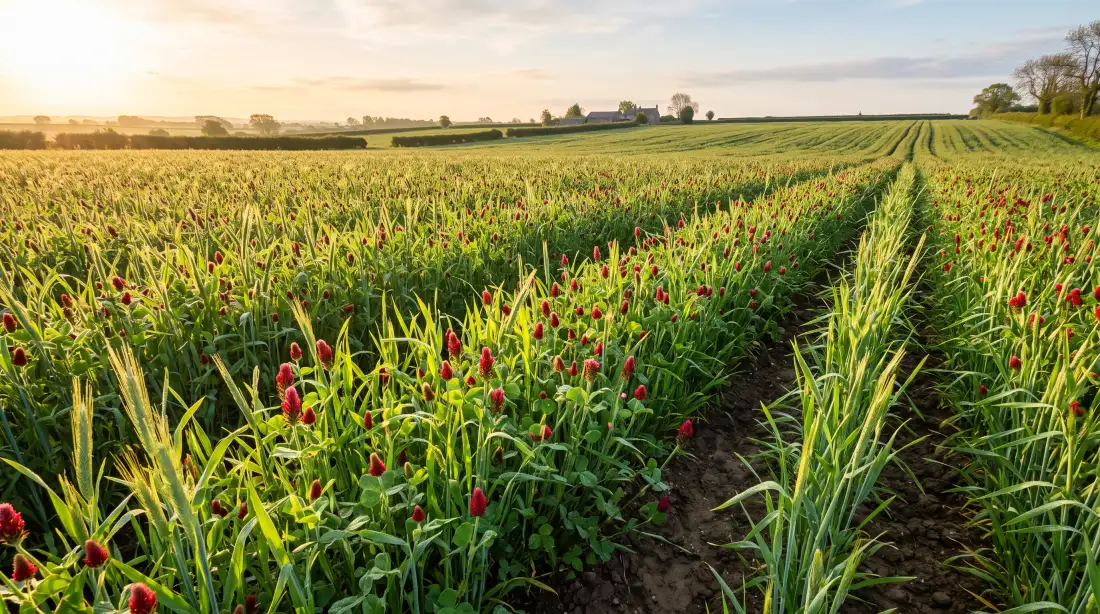
Cover crops are not a silver bullet. They are a tool that can solve real problems on working farms when you pick the right species, hit the timing, and manage the transition into your cash crop.
Read More →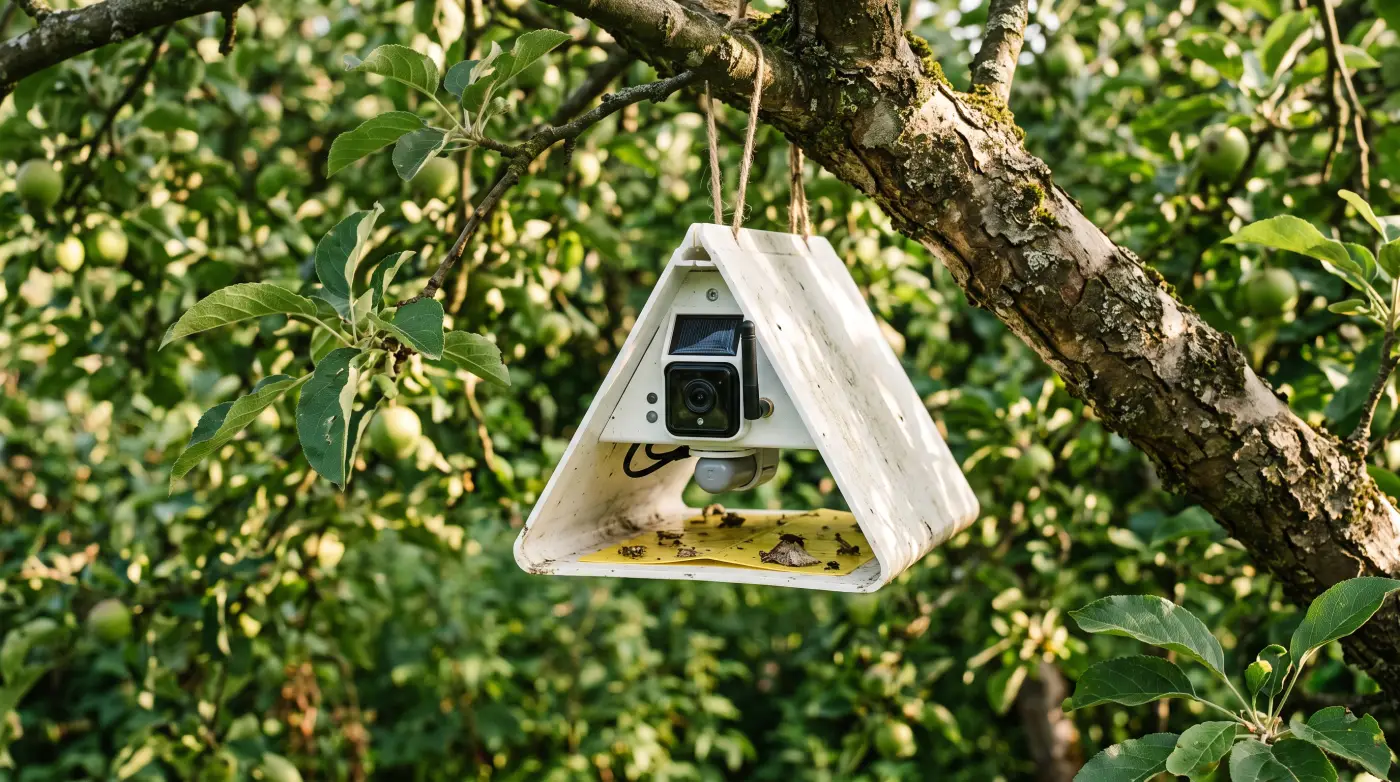
The bug can't read a calendar. That sounds obvious until you look at how most spray decisions actually get made: the third week of May, because that's when we always do it.
Read More →
A drip run can be as long as the last emitter still waters evenly, which the industry sets at no more than about 10 percent flow variation along the line. In practice that means roughly 30 feet on 1/4 inch tubing, around 200 feet on 1/2 inch poly emitter tubing, and up to 500 feet on standard drip tape.
Read More →
Yes, a drone can move cattle and sheep. Stock reliably walk away from a hovering drone, and research shows a calm, higher pass causes less stress than a helicopter or a pushy dog.
Read More →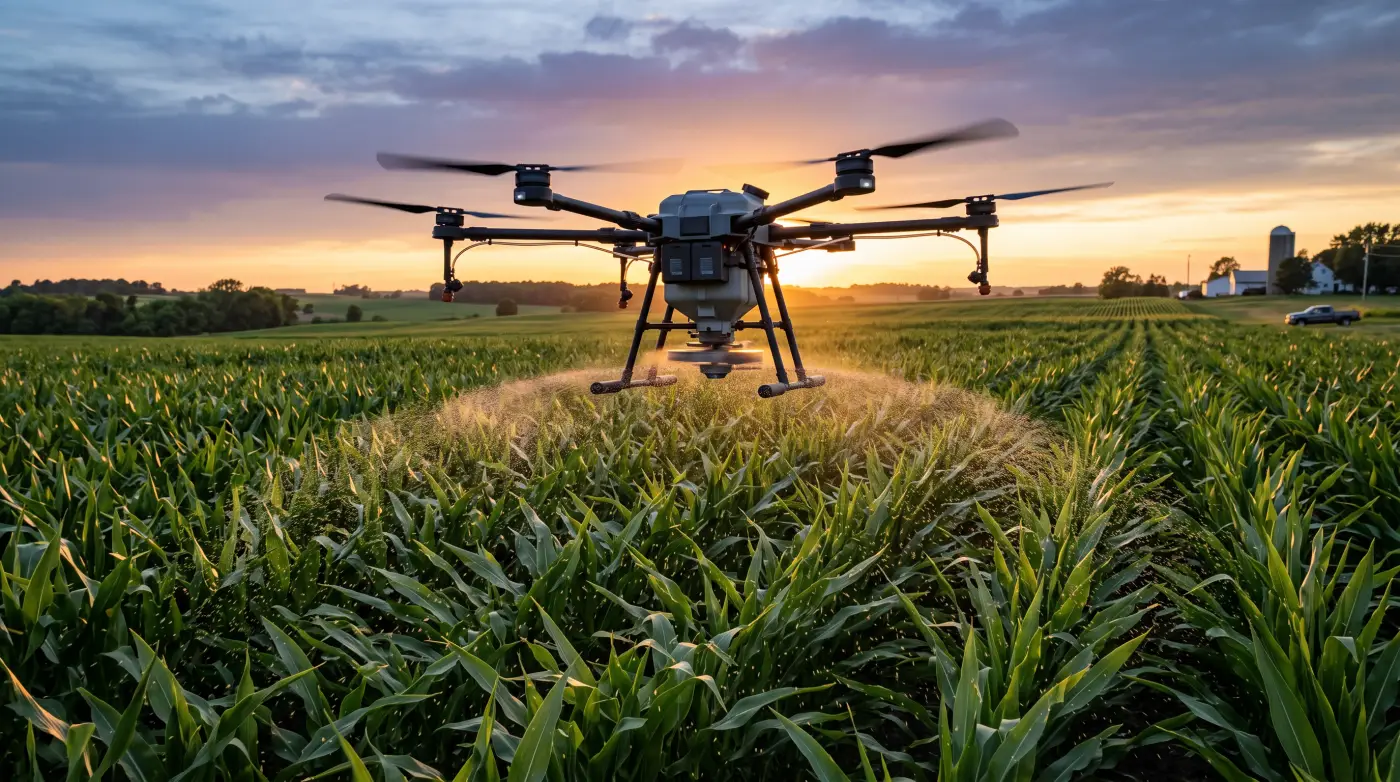
Drone cover crop seeding broadcasts seed from the air onto a standing corn or soybean crop, weeks before harvest. Its one real advantage over a post-harvest drill is timing - the seed gets an earlier start on fall growth.
Read More →
Drone mapping software turns raw aerial photos into a stitched field map, a crop-health layer, and a prescription file your sprayer can read. The two decisions that matter: whether your camera captures a real near-infrared band (a standard RGB camera cannot, so RGB "NDVI" is not real NDVI), and which software exports the shapefile format your equipment already reads.
Read More →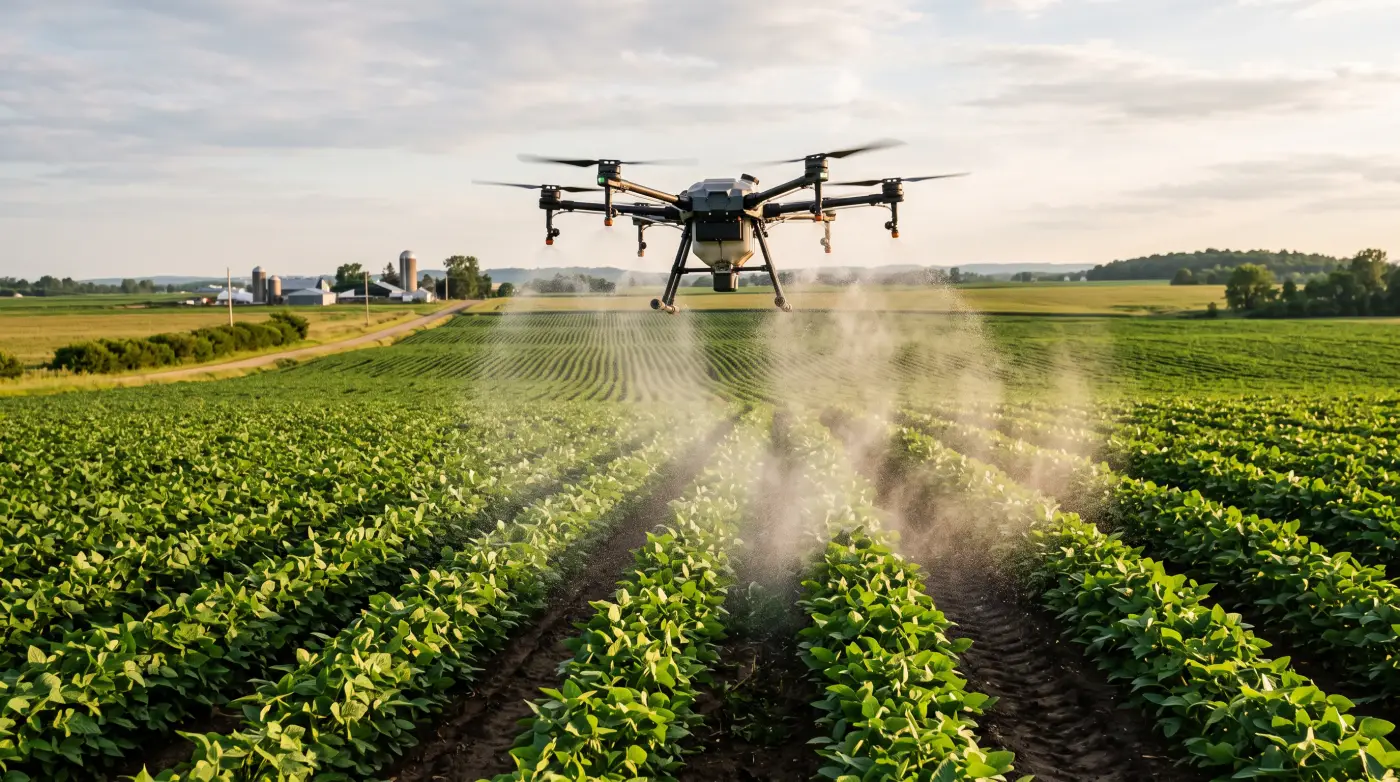
If you've watched a spray drone work a field of tall corn in August, it's hard not to stop and stare. The machine runs its lines at 15 feet above the canopy, droplets going down through the leaves rather than sitting on top, and the boom never touches a stalk.
Read More →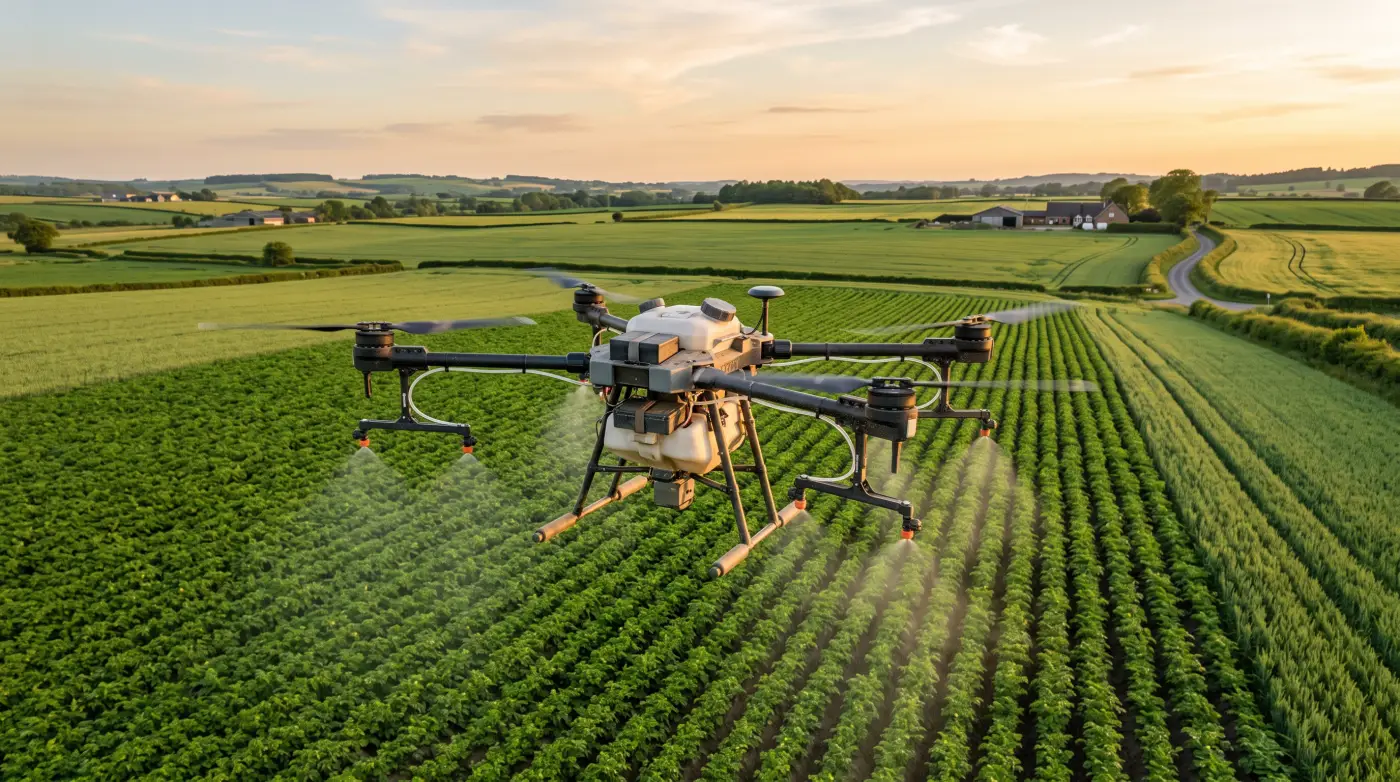
Drones in agriculture have moved from curiosity to tool in some situations, and still a poor fit in others. The difference comes down to how the drone is used, the regulatory burden, and the economics per acre.
Read More →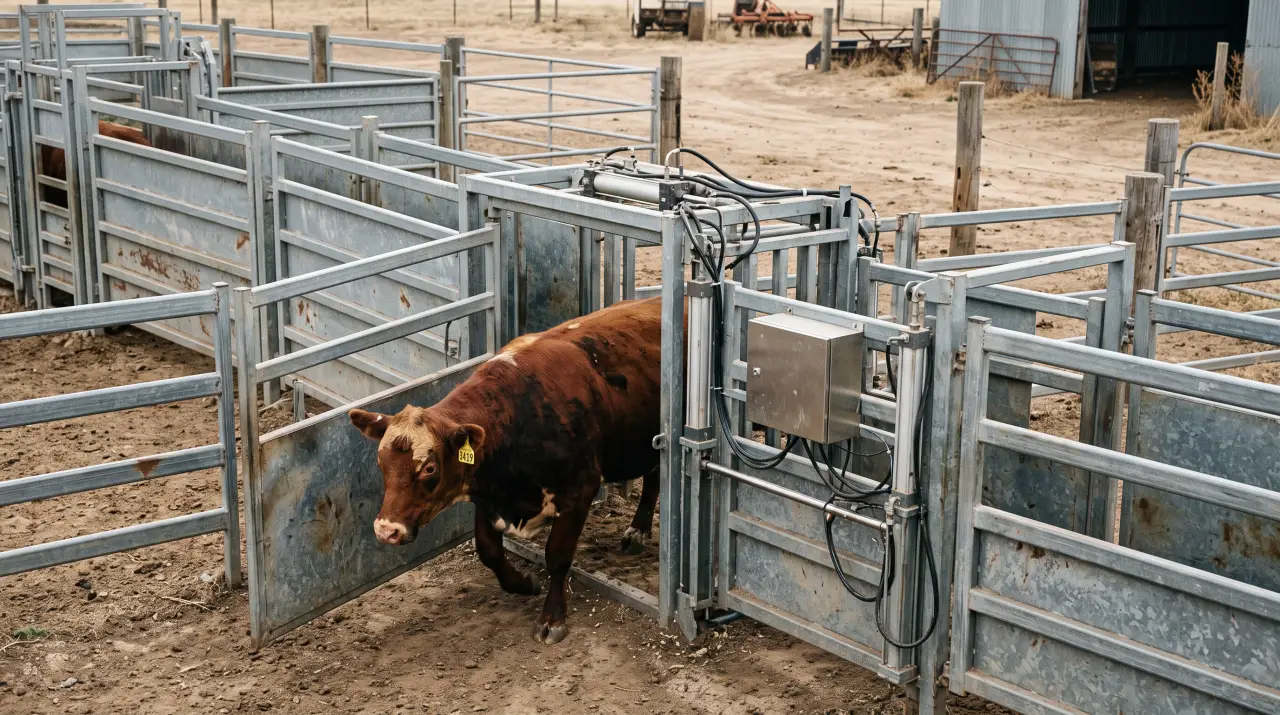
Running cattle through a squeeze chute to sort by weight is one of those jobs that wears out people and animals alike. It takes a crew, it takes time, and every animal that goes through learns to fight harder the next time.
Read More →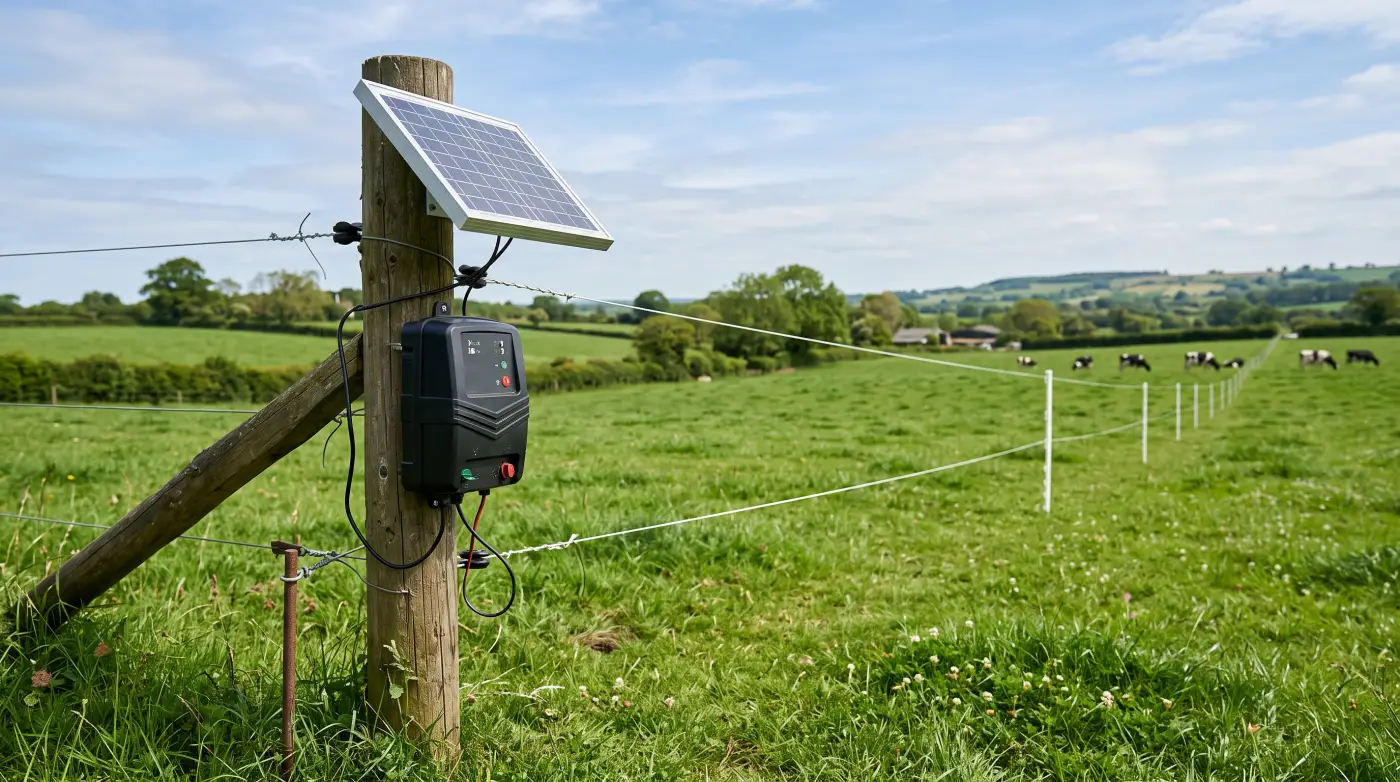
A solar electric fence is the most practical way to fence a paddock that is too far from the barn to run a cord, too temporary to warrant permanent posts, or too large for grid-tied infrastructure. Done right, a solar fence delivers a fence-line pulse in the four to eight kilovolt range, runs unattended for years, survives lightning country, and costs less than a week of hay.
Read More →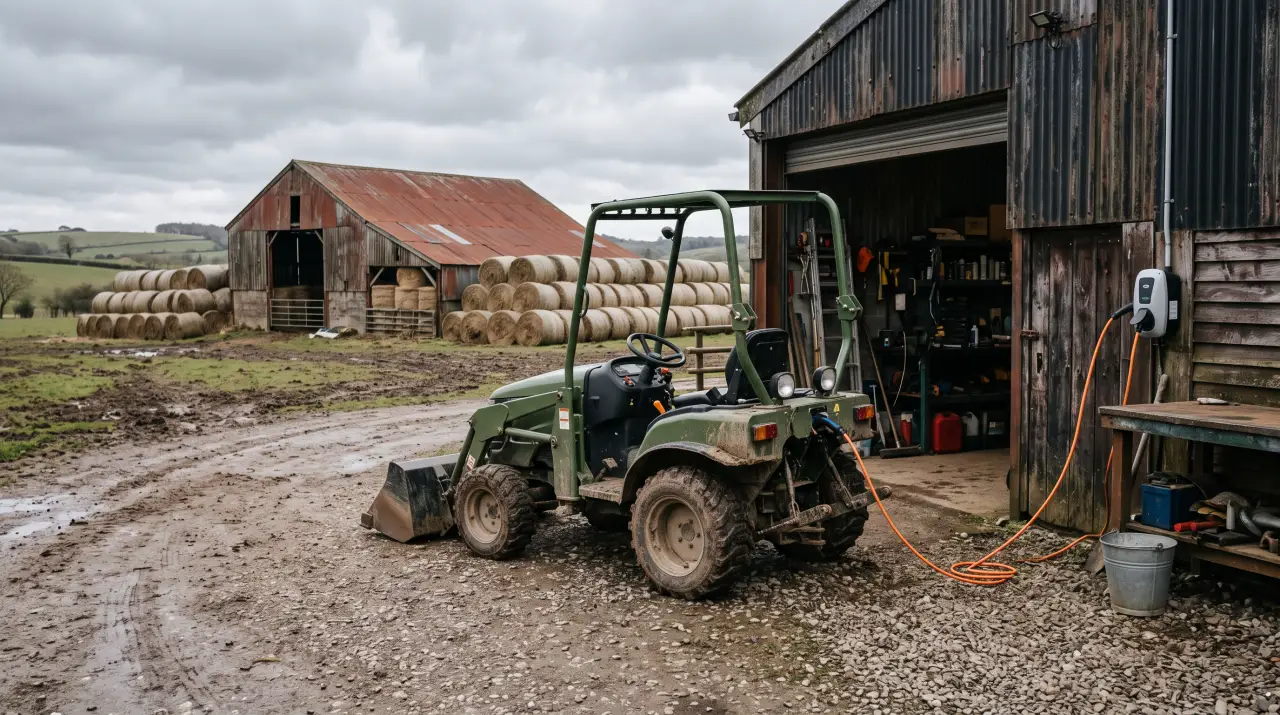
Electric utility tractors have moved out of the press release stage and onto real farms, and the question has shifted from whether they work to where they fit and what it takes to keep one running. A working farmer does not care about the marketing case for going electric; he cares whether the machine will do the chores he needs done, how long it runs before it has to charge, what the charging setup costs to put in, and whether the whole arrangement saves enough on fuel and maintenance to justify a purchase price that still runs higher than a comparable diesel.
Read More →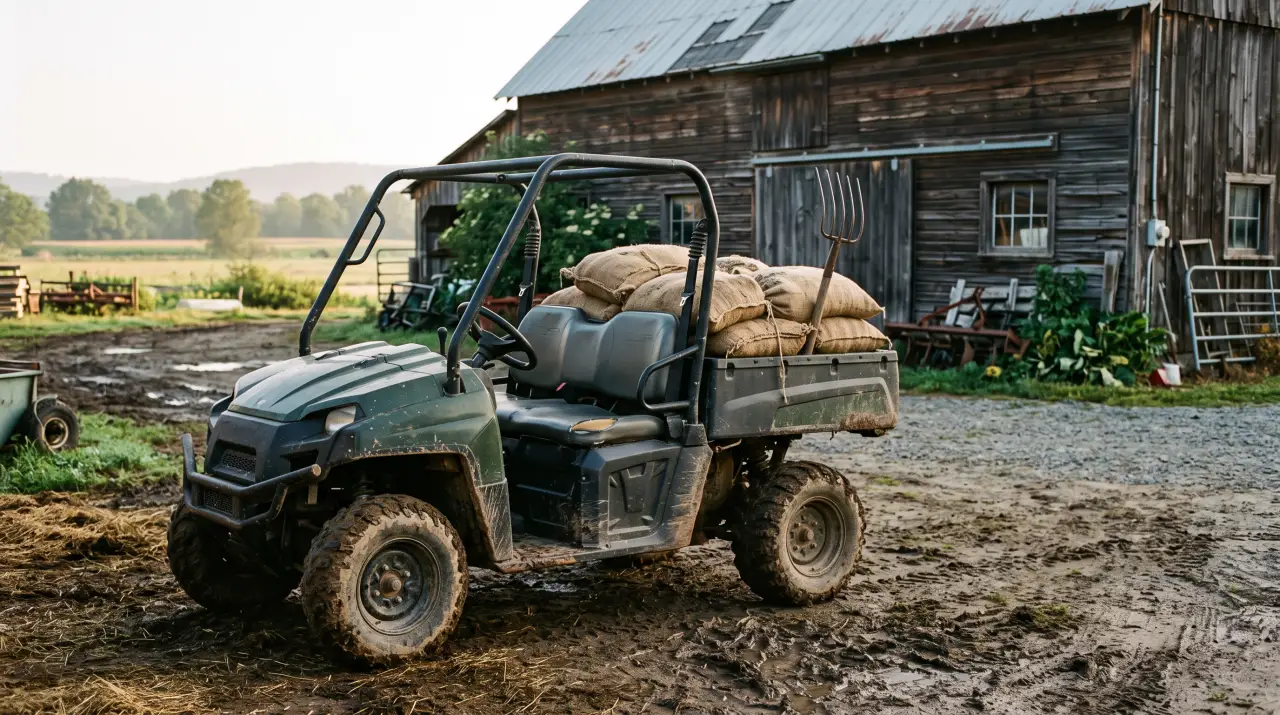
Walk into most barns and you will find one machine that does the unglamorous work all day: feeding, scraping the loafing shed, hauling people and fence posts, plowing the lot when it snows. It rarely leaves a half-mile radius, and it runs the same loop every morning whether you feel like it or not.
Read More →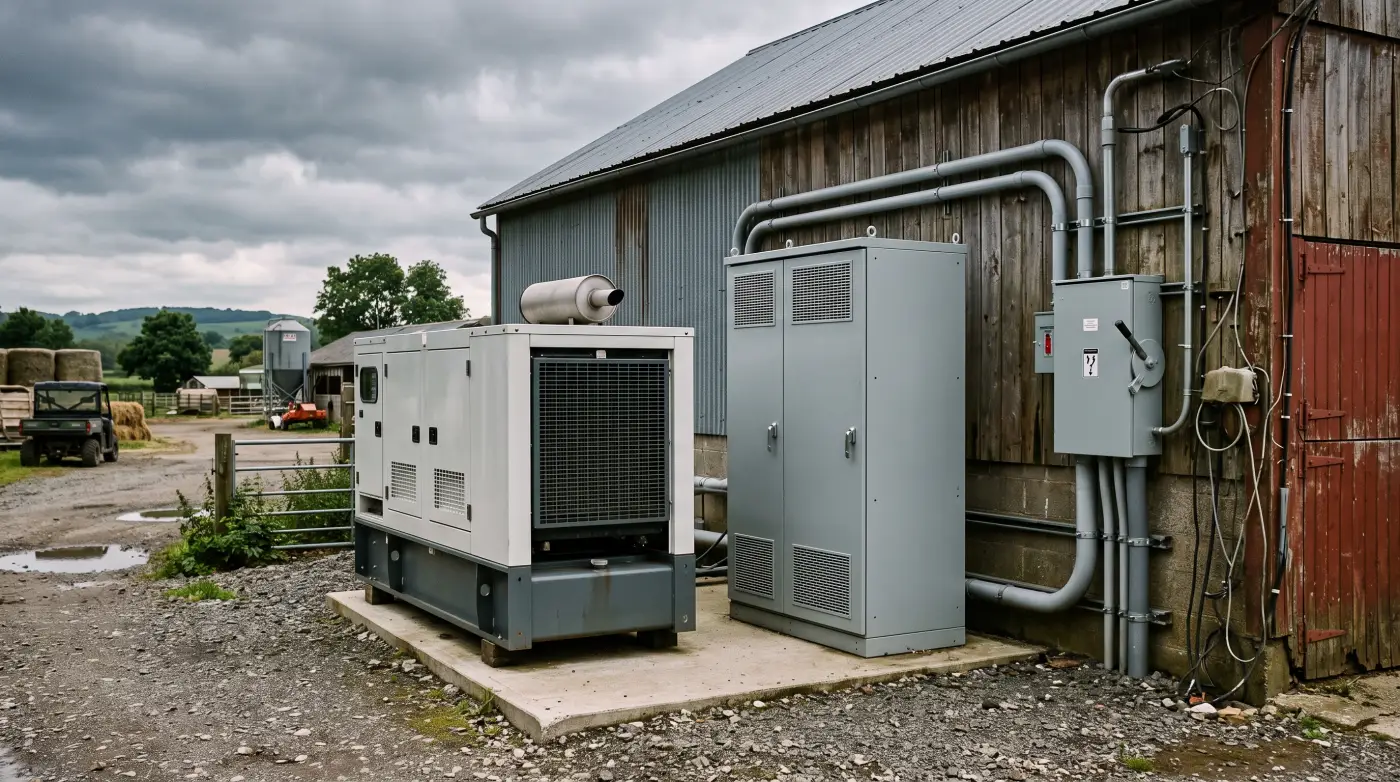
For most livestock farms, the right backup power is a standby diesel or propane generator wired to an automatic transfer switch, which restores power in about ten seconds with no one present. PTO generators fit loads that can wait a few minutes, and solar-plus-battery microgrids suit farms already adding solar.
Read More →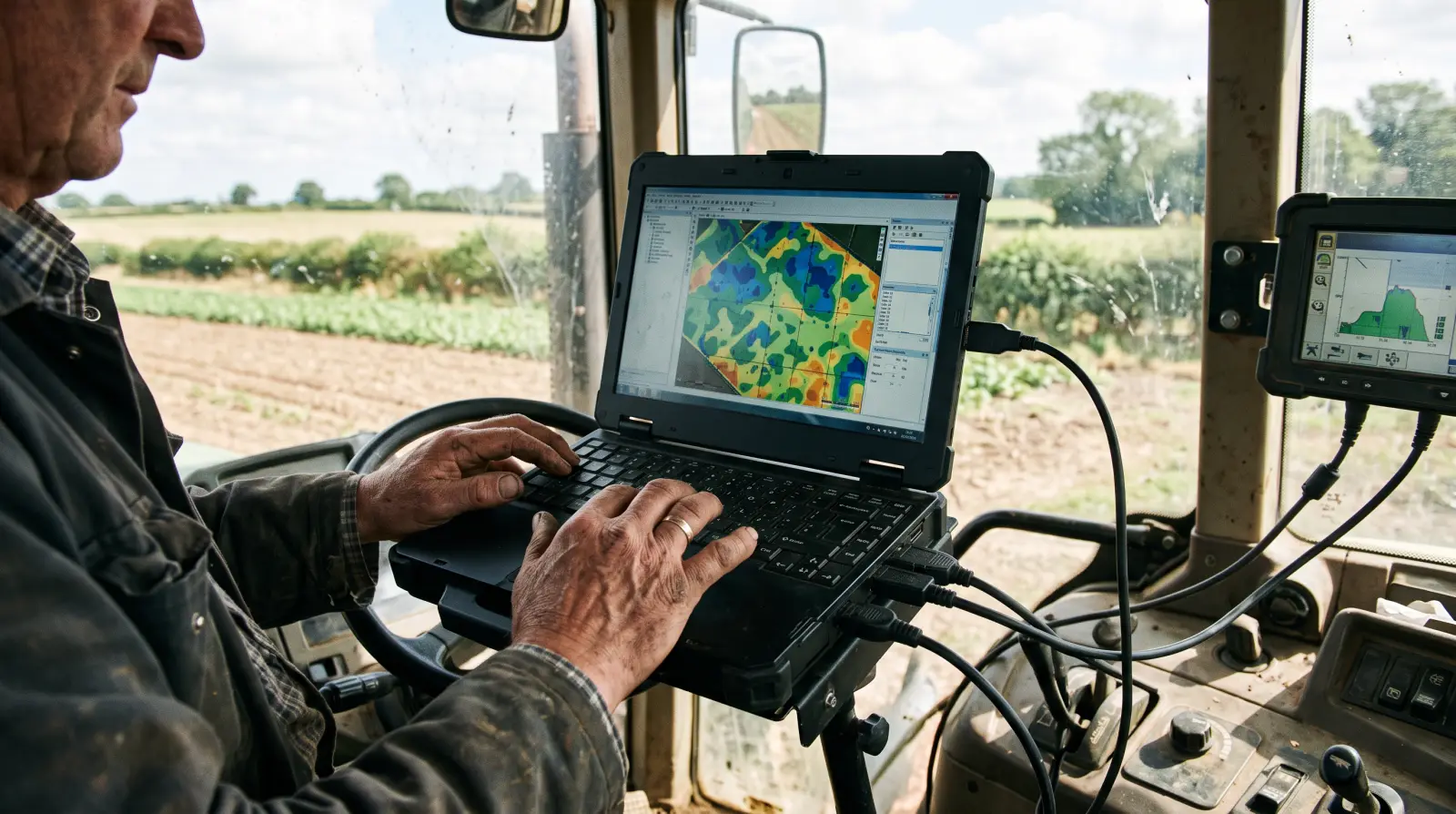
The data your operation generates is now one of the most valuable assets coming off your fields, and most farmers are giving it away without reading the contract. The 2026 picture is that every modern tractor, sprayer, combine, drone, soil probe, irrigation pivot, and milking robot is producing a continuous stream of telemetry, and the companies on the other end of that stream are aggregating, analyzing, and in many cases reselling the information to a market of seed and chemical suppliers, equipment manufacturers, commodity traders, insurers, lenders, and government agencies.
Read More →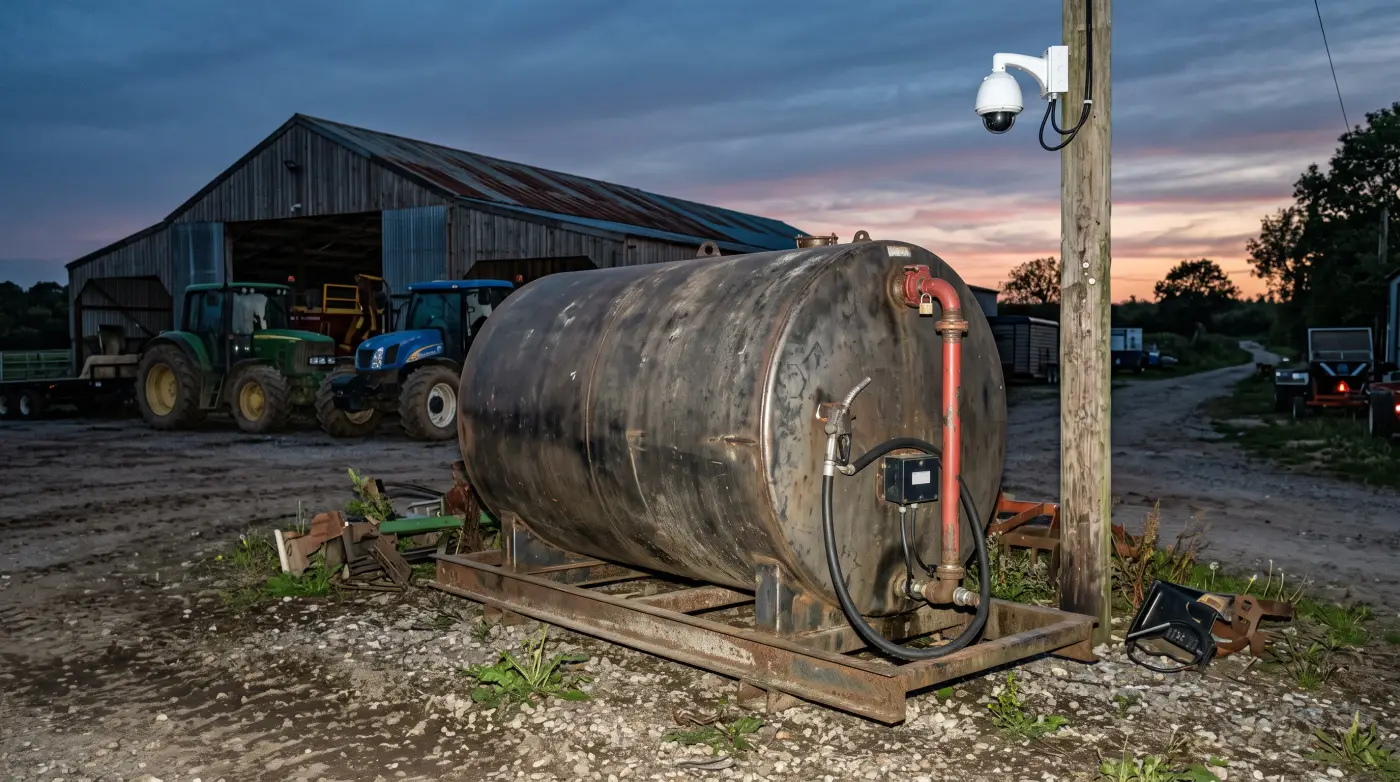
Fuel theft is one of those losses that a working operation can absorb for a long time without ever putting a number on it, because the diesel disappears in quiet increments rather than in one obvious hit. A few gallons skimmed off the bulk tank overnight, a nurse trailer drained while it sits at the edge of a leased field, a transfer tank emptied out of a parked pickup at the shop - none of these announce themselves the way a stolen implement does.
Read More →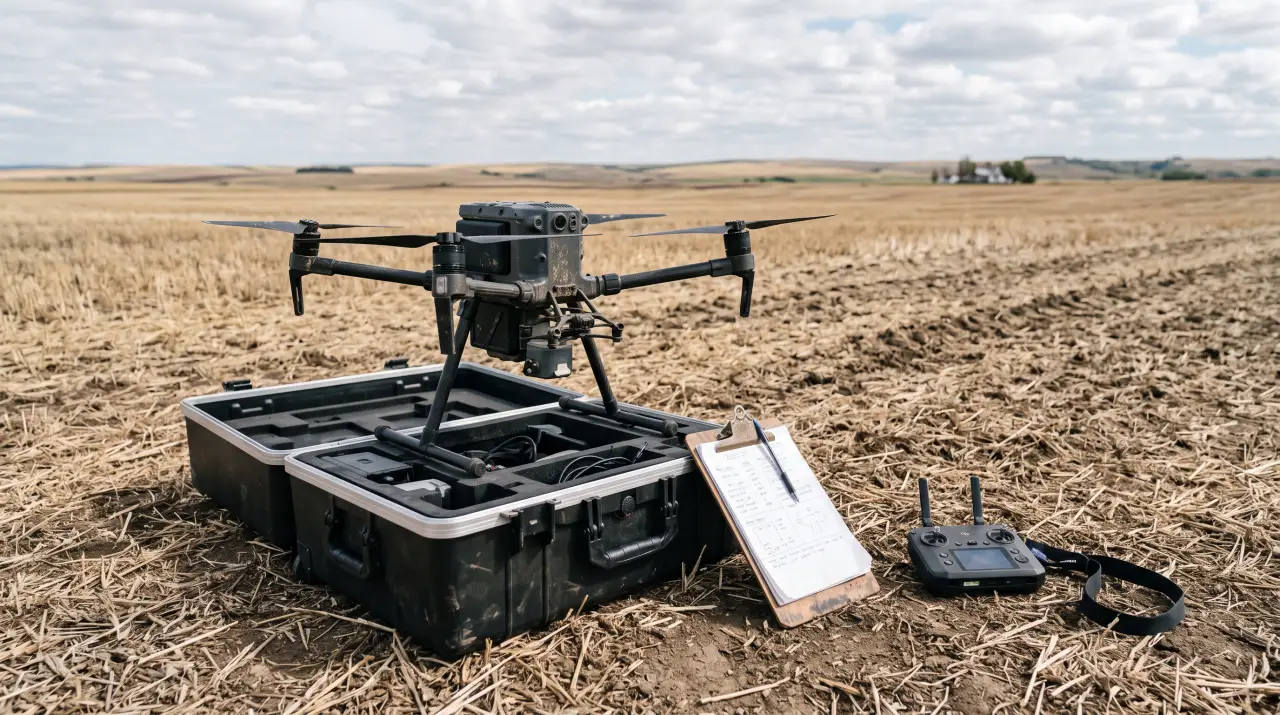
A drone is one of the few pieces of farm technology where the hardware is the easy part. A capable mapping quadcopter with a multispectral sensor can be ordered for the price of a decent yield monitor cable, and a 40-liter spray drone with RTK guidance is now competitive on a per-acre basis with a custom applicator over short windows.
Read More →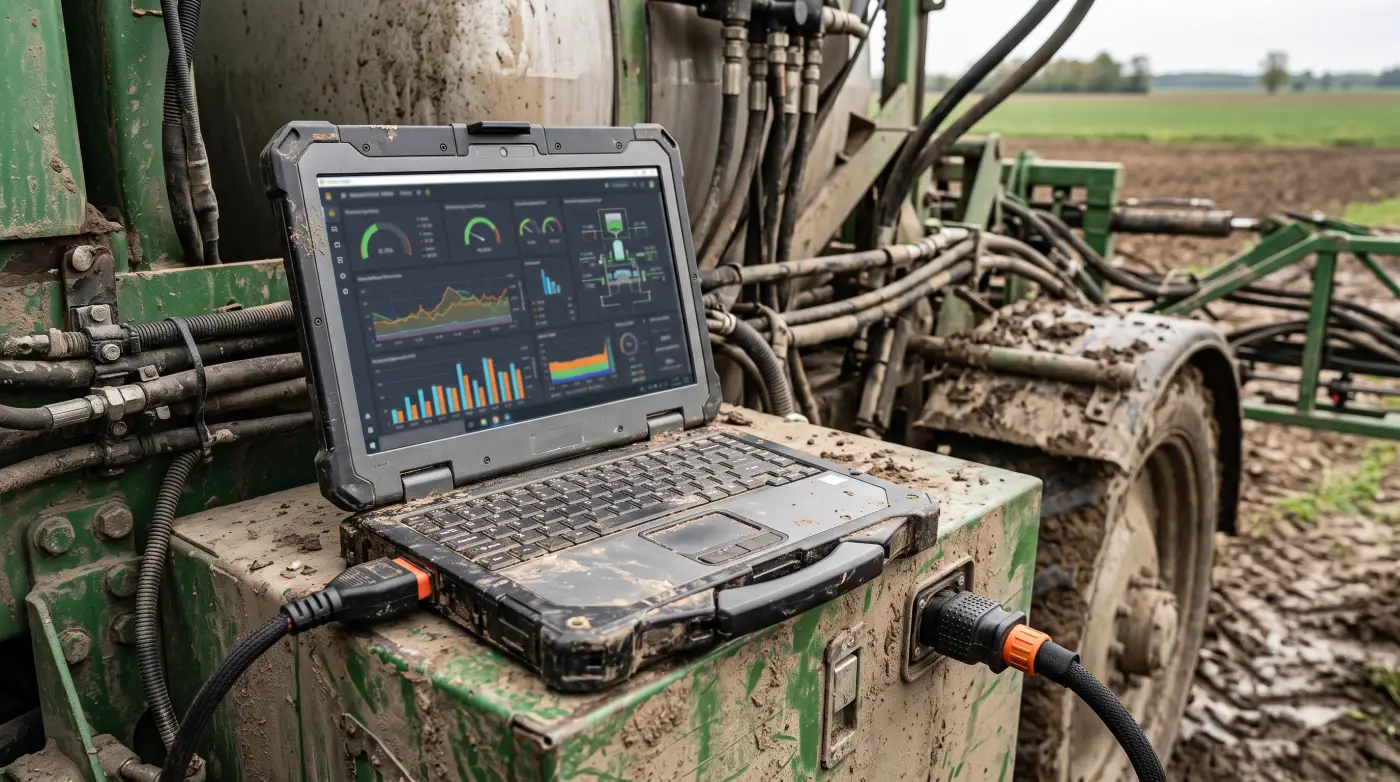
Modern row-crop and livestock operations now run on more connected hardware than most small office buildings. A single combine harvester carries a cellular modem, a satellite link, a CAN bus that ties together a dozen control modules, a touchscreen with Wi-Fi, and a cloud account tied to the dealer and the OEM.
Read More →
Farm equipment telematics manages a whole fleet, not one machine, by answering three questions: where every asset is and whether it is being used, whether it will run when the harvest window opens, and whether you can see all of it in one dashboard regardless of brand. In 2026, cross-brand data sharing finally makes that single view realistic.
Read More →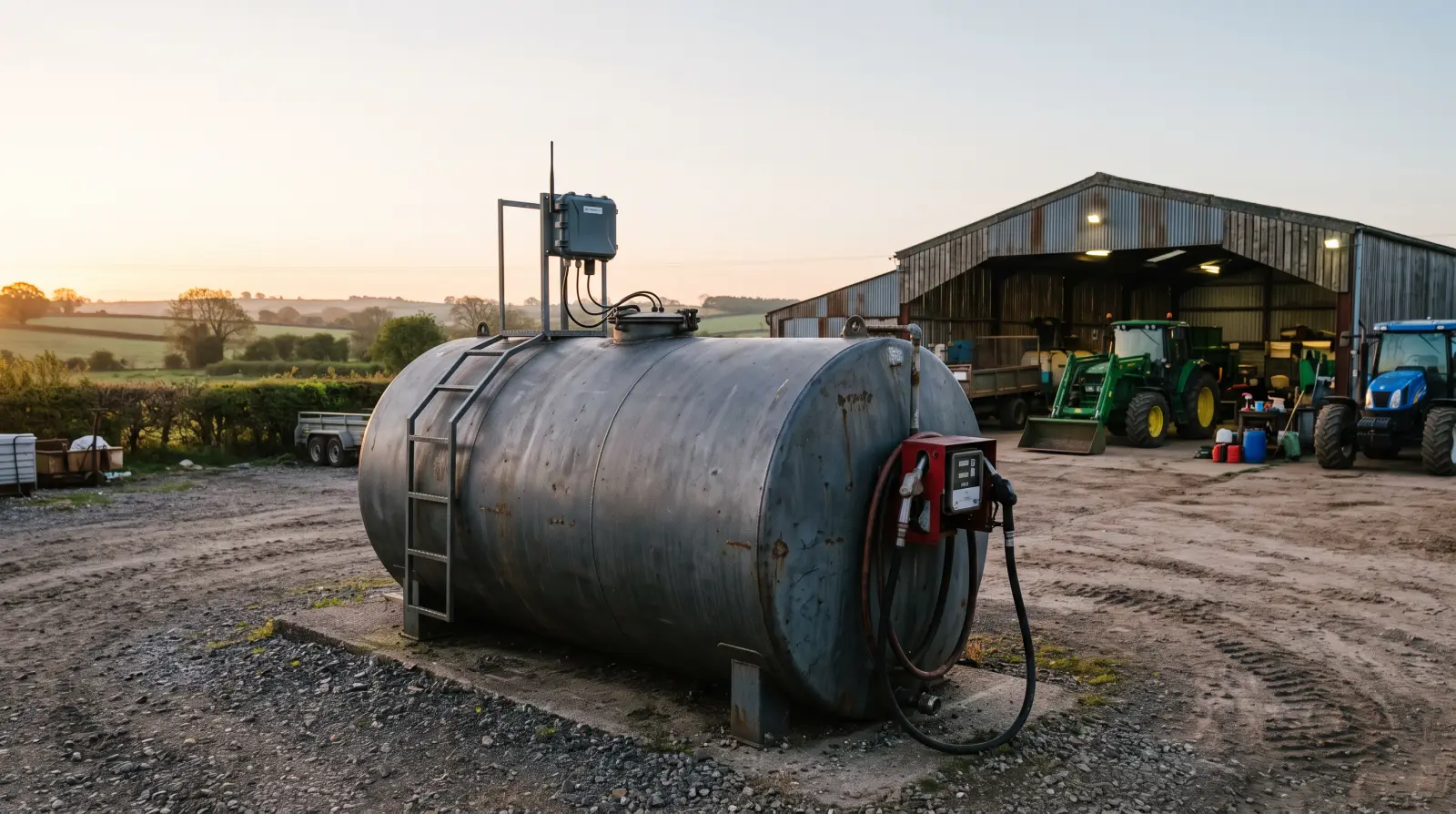
Farm fuel monitoring is three separate systems working together: a level sensor on the bulk tank that reports gallons on hand, a dispenser controller that logs who pumped how much into which machine, and machine telematics that reads burn rate off the tractor's own data. Reconciling all three is what catches fuel you are losing.
Read More →
For a farm running seasonal or H-2A crews, farm labor management software is not a scheduling app - it is the system that produces the auditable daily record of hours, piece-rate units, and pay that federal law already requires, and that does the wage math hand-kept timesheets get wrong. Scheduling is table stakes.
Read More →
A farm pond water level sensor is a cheap, genuinely useful tool that reports your pond's depth to your phone and alerts you when the pool climbs toward the spillway during a storm. It manages your water and warns of overtopping, but it does not inspect or fix the dam itself.
Read More →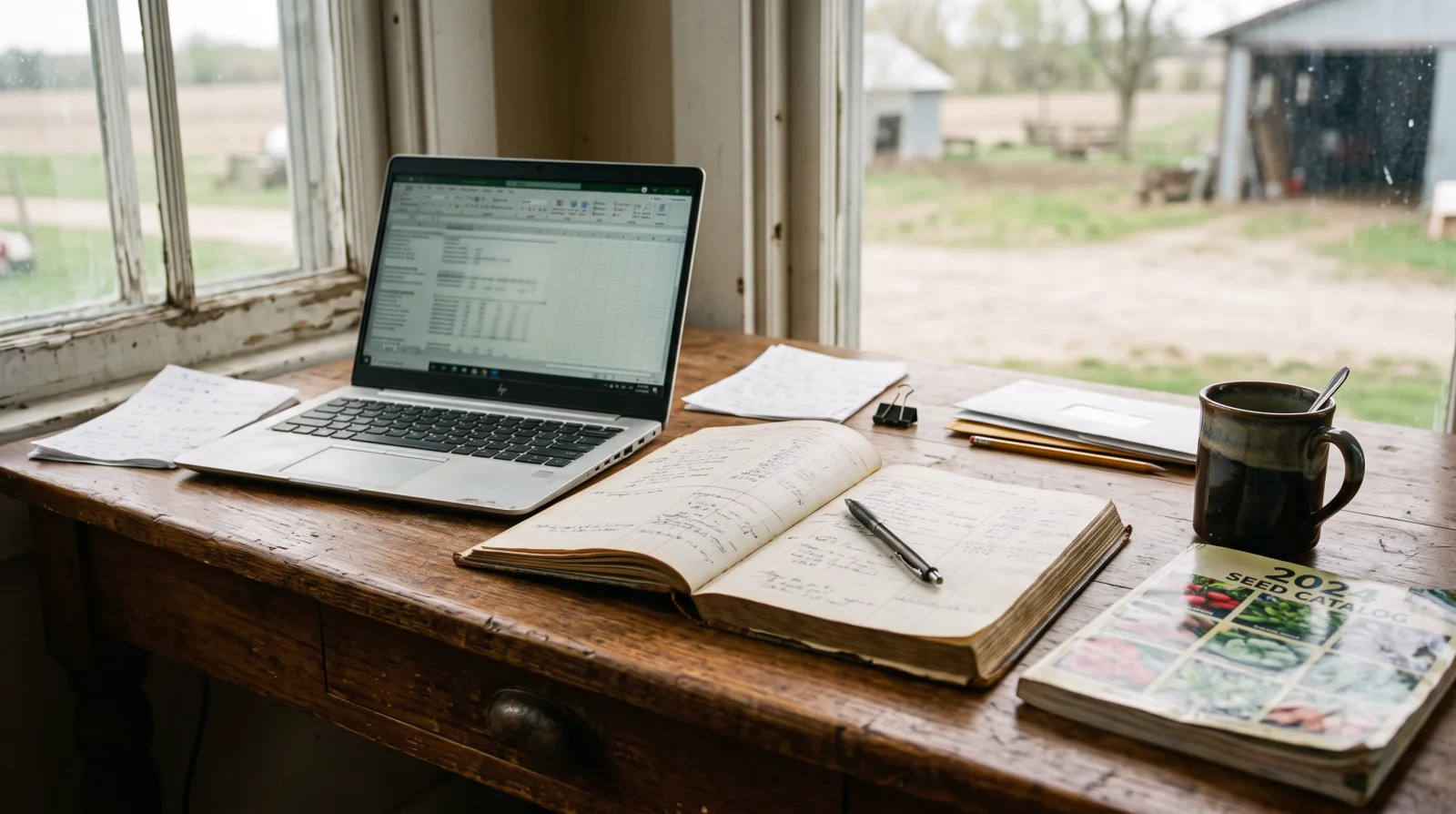
A generation ago a farm record was a spiral notebook in the glovebox, a shoebox of receipts on the kitchen counter, and a planter monitor tape stapled to the field map at the end of the season. The operations that kept good records had an edge, but the edge was modest and the bar for "good" was low.
Read More →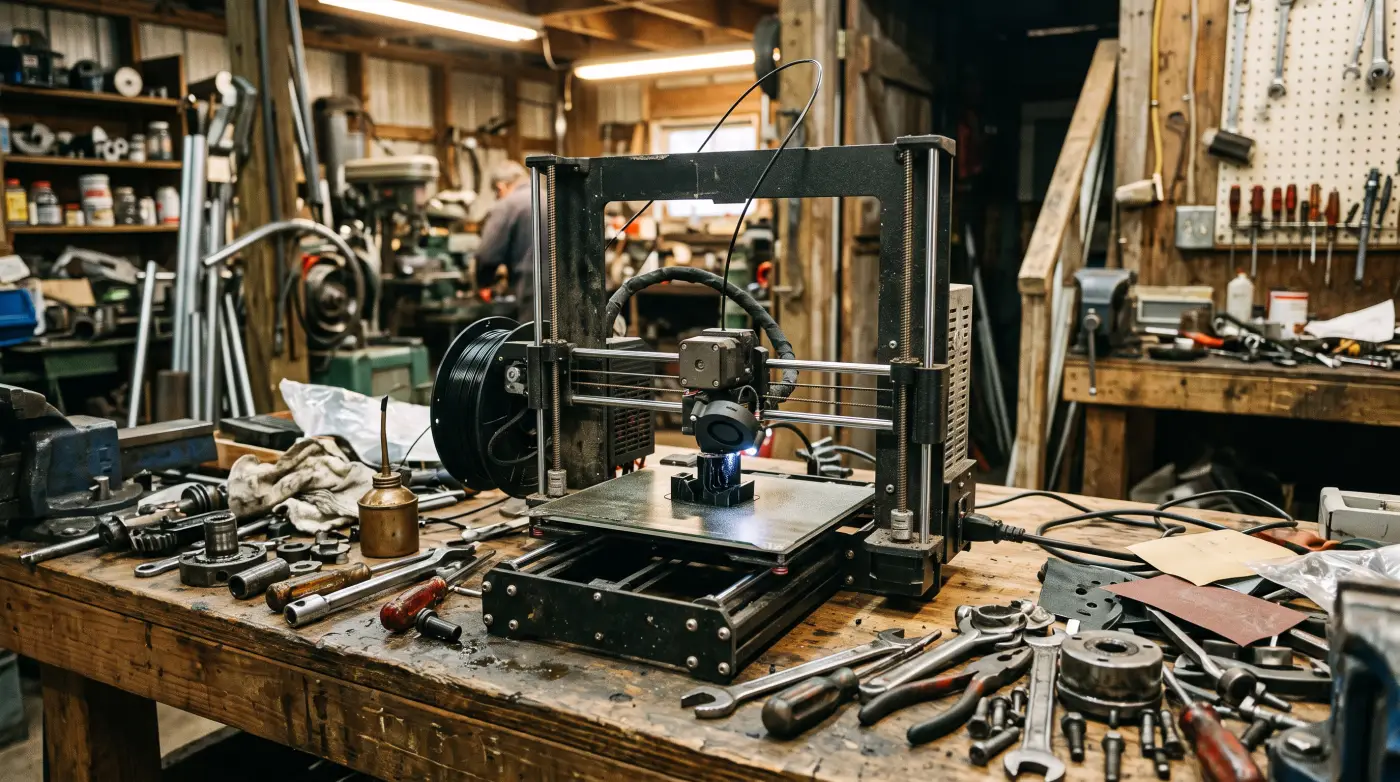
The pitch for a 3D printer in the farm shop sounds almost too good for the operation tired of waiting three days and paying dealer money for a plastic knob that snapped off in the cold. Print your own parts, the story goes, and never get held up by a backordered clip or a discontinued bushing again.
Read More →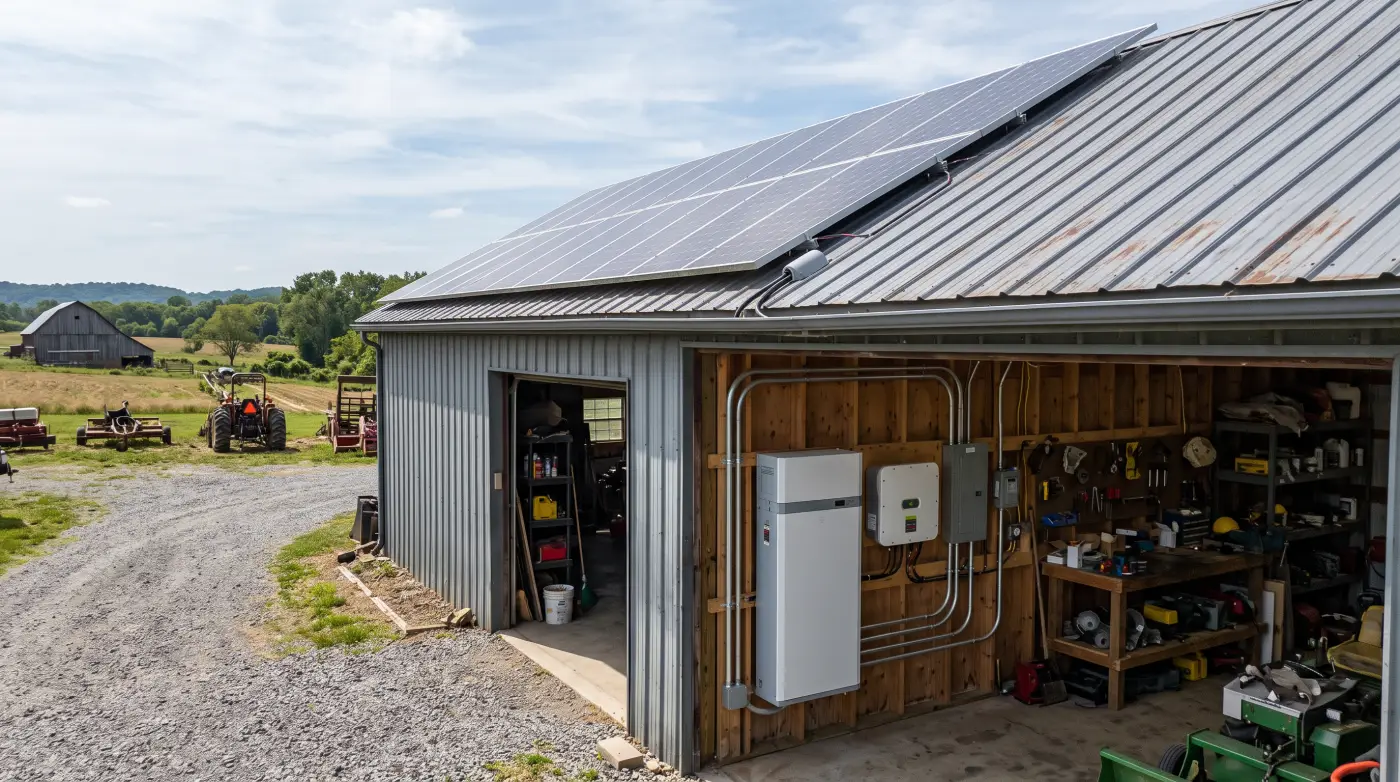
The farm shop is one of the few buildings on the operation where solar actually pencils out without anyone needing to fudge the numbers. The roof is large, oriented in whatever direction the farmstead happened to face when it was built in 1962, and the loads underneath it are predictable.
Read More →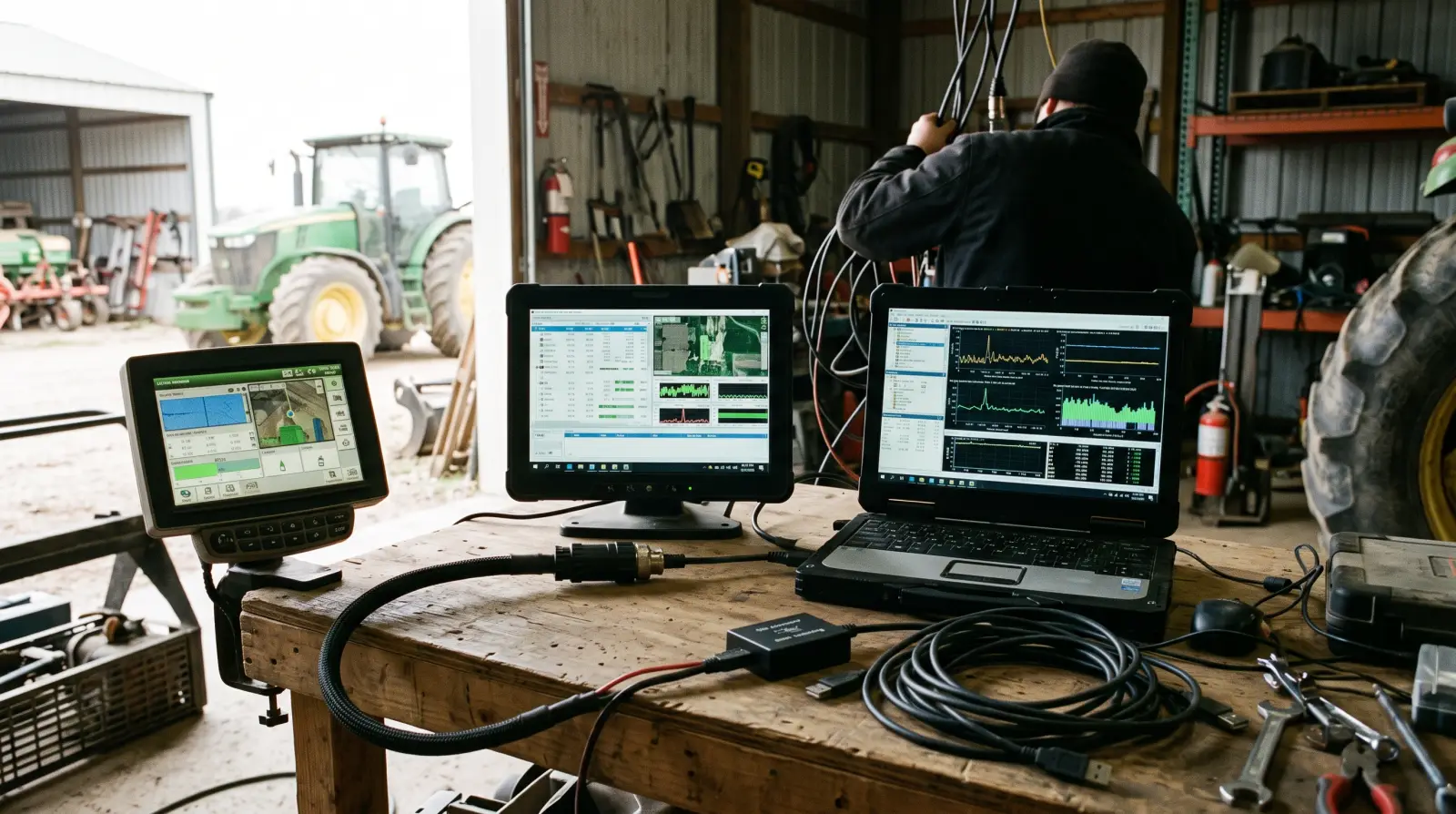
If you farm with more than one piece of technology - a guidance system, a yield monitor, an agronomy platform, a soil-sampling service - you have already run into the wall. Data lives in one brand's app, your agronomist uses another, your dealer pushes a third, and nothing talks cleanly to anything else.
Read More →
To size farm solar, take your daily kilowatt-hour use and divide it by your peak sun hours times a real-world derate of about 0.80. That gives system size in kilowatts.
Read More →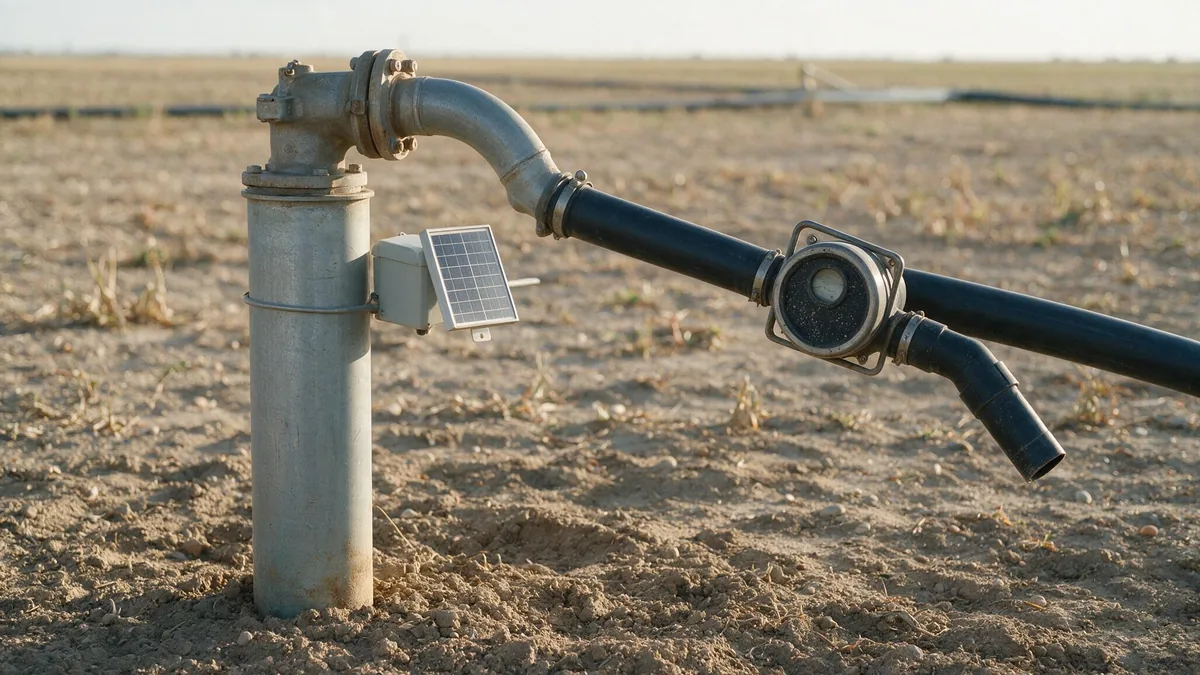
Remote well monitoring puts a pressure sensor down the borehole and a flow meter on the discharge, then reports two numbers over cellular or LoRaWAN: the water level in the well and how hard the pump works to hold it. Trended together, those two numbers warn you that a pump or an aquifer is failing weeks before an outage.
Read More →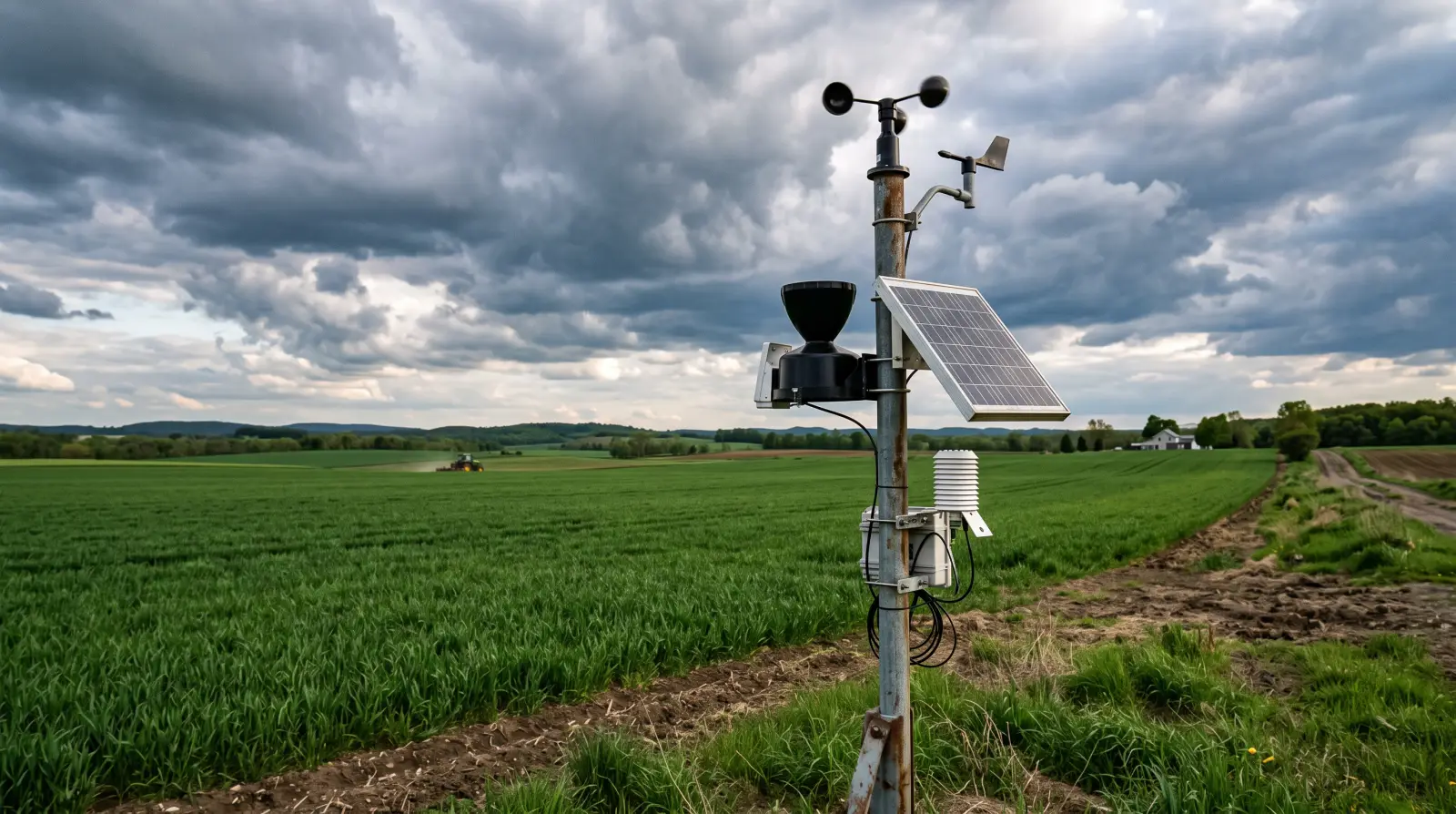
The nearest airport weather station is probably fifteen to forty miles from your fields. It sits on a mowed grass pad, surrounded by concrete, reporting conditions that have nothing to do with what is actually happening in your bottom ground, your hilltop, or your pasture on the other side of the ridge.
Read More →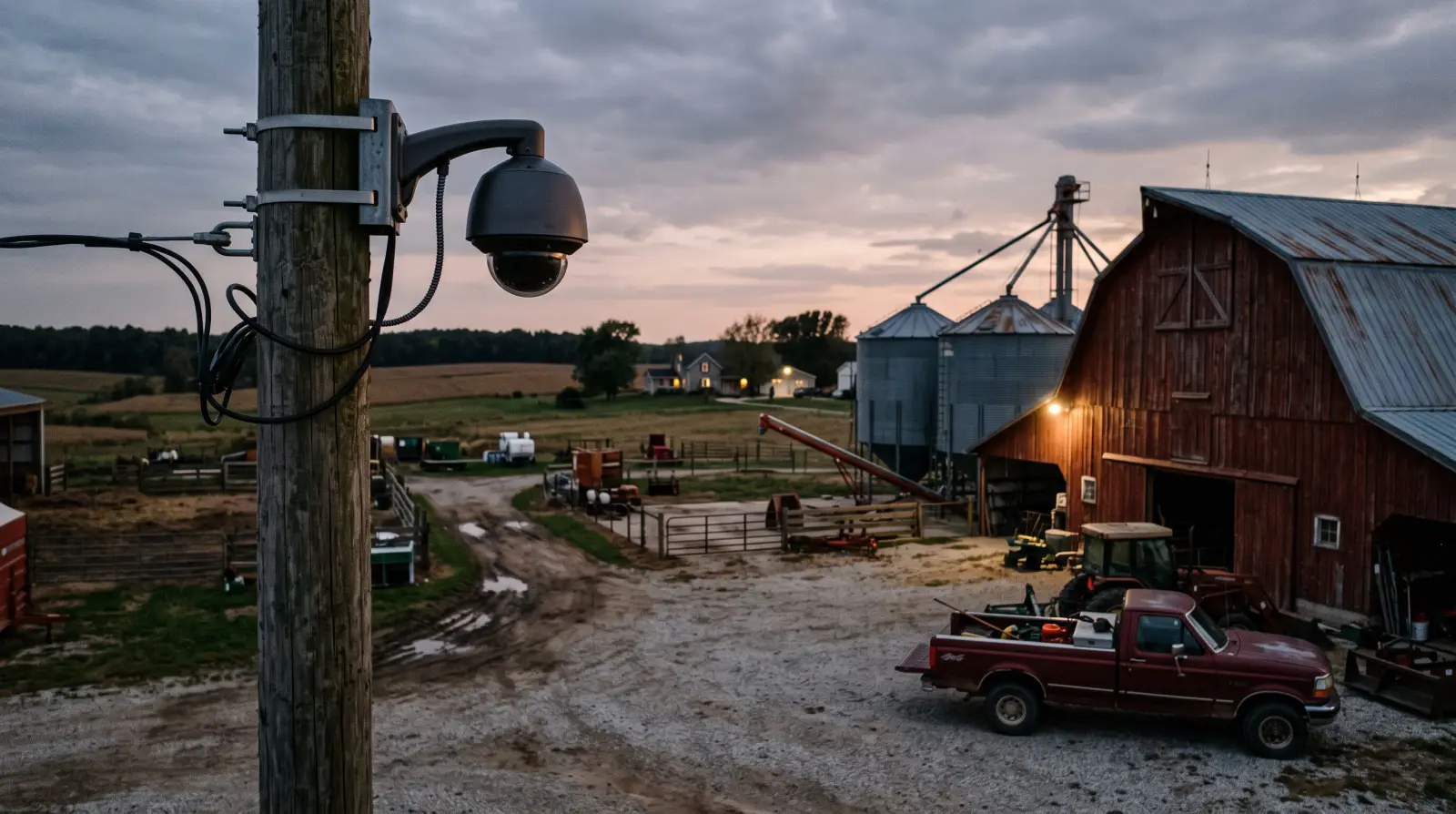
A doorbell camera works great on a porch. It has an outlet three feet away, your house Wi-Fi pours straight through the wall, and someone is usually home to hear the chime.
Read More →
To calculate fertilizer per acre, divide the pounds of nutrient you need by the nutrient percentage on the bag. If your soil test calls for 100 pounds of nitrogen per acre and you run urea (46-0-0), that is 100 divided by 0.46, or about 217 pounds of urea per acre.
Read More →
Precooling removes field heat from just-harvested produce before it enters storage, and it is the single highest-leverage postharvest step a grower controls. Respiration roughly doubles for every 18°F you leave in the crop, so pulling that heat out fast with forced-air fans or chilled hydrocooling water buys days of shelf life that a walk-in cooler alone cannot.
Read More →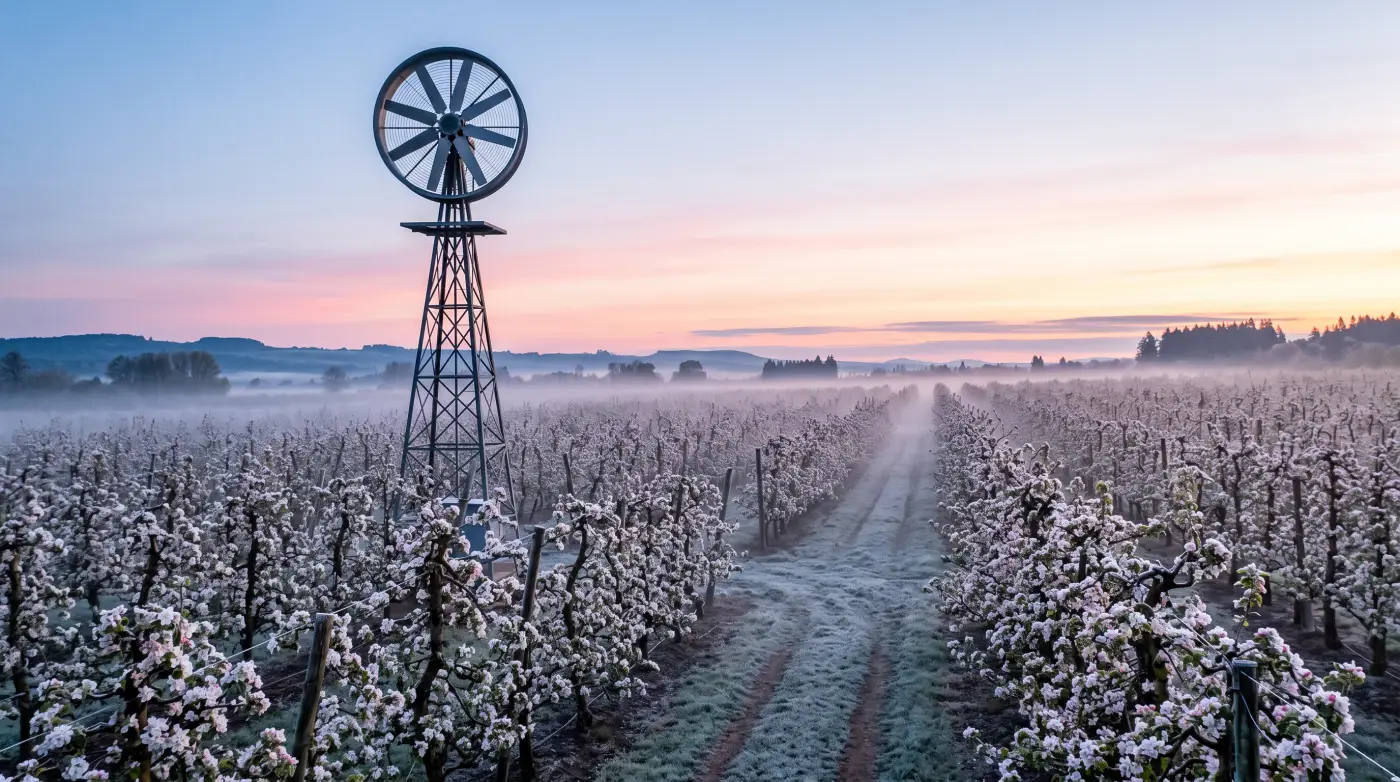
A single cold night in the wrong week can erase a year of work in an orchard, a vineyard, or a strawberry field. The blossoms that were going to be the fruit crop get killed in a few hours, the canopy survives, and the operator spends the rest of the season looking at trees and vines that grew leaves but produced almost nothing.
Read More →
Virtual fencing for sheep and goats is real, working technology: a solar-assisted GPS collar teaches each animal a boundary you draw in a phone app, using a rising warning tone backed by a mild electric pulse. Sheep and goats genuinely learn it.
Read More →
There is no standalone GPS-guided hay rake or tedder. The GPS lives on the tractor.
Read More →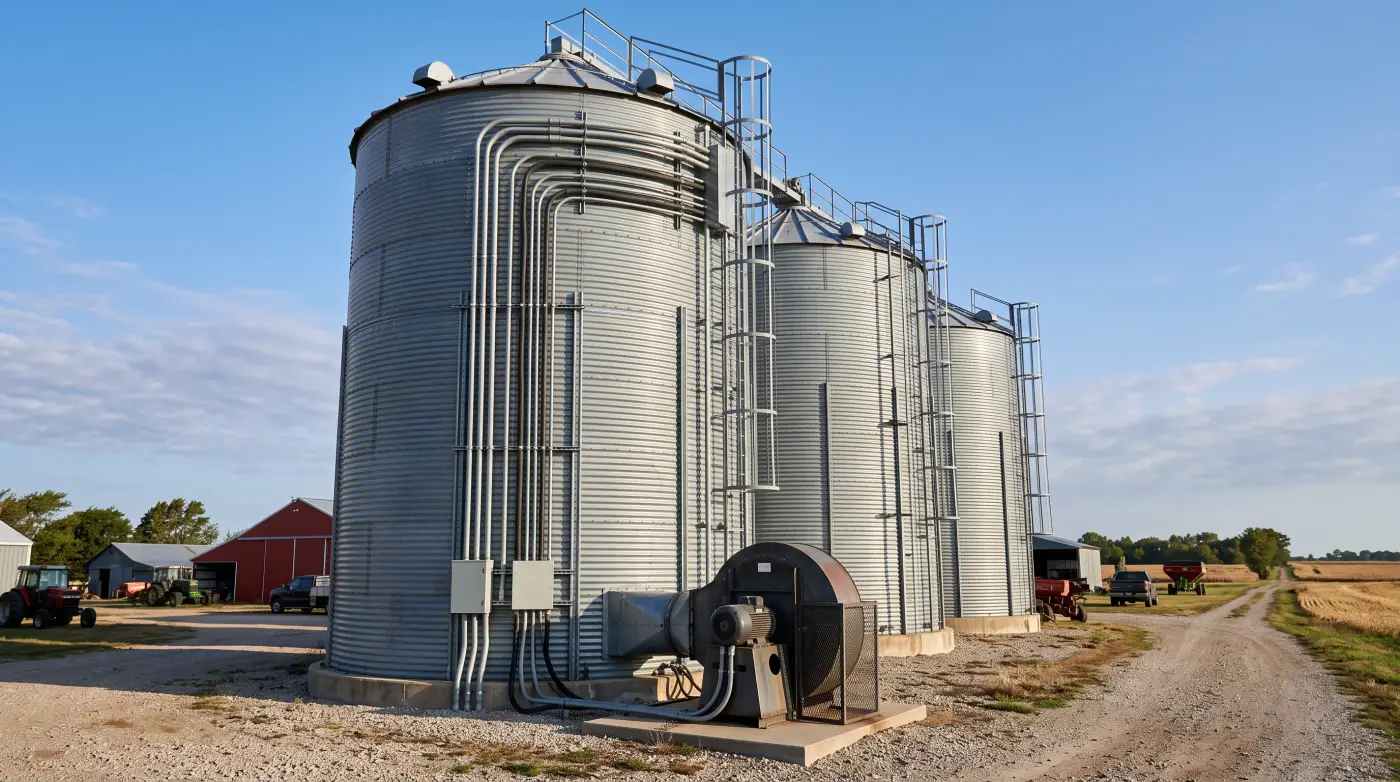
Stored grain is money sitting in a steel can, and it does not sit still. From the day you fill a bin to the day you haul it out, the grain mass is shifting moisture around, breathing, and giving insects and mold a chance to set up shop in any spot that gets warm and damp.
Read More →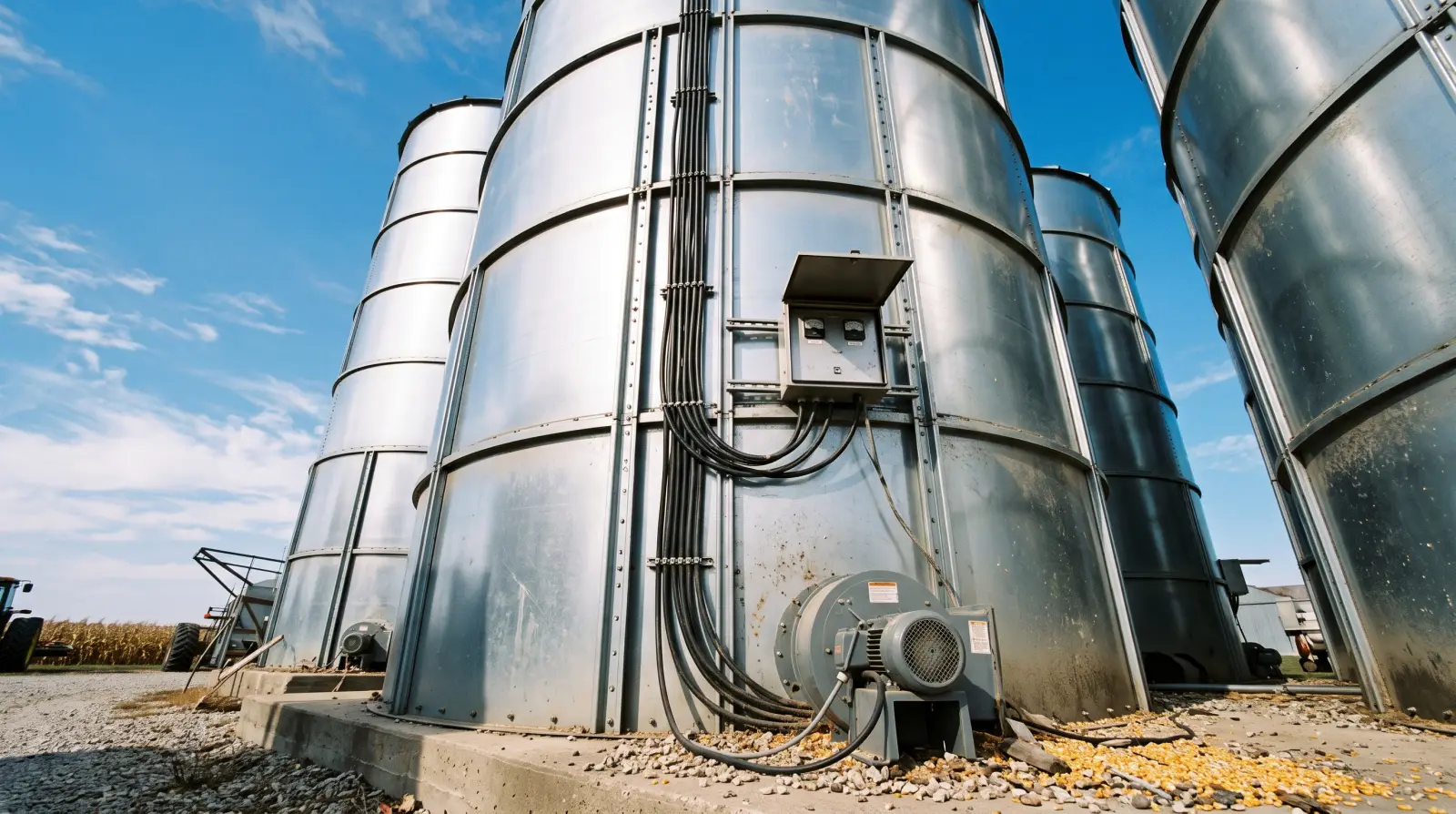
The cheapest bin fire is the one that never starts. The cheapest load of out-of-condition corn is the one that gets caught at 65 degrees and dried back down before it goes to 80.
Read More →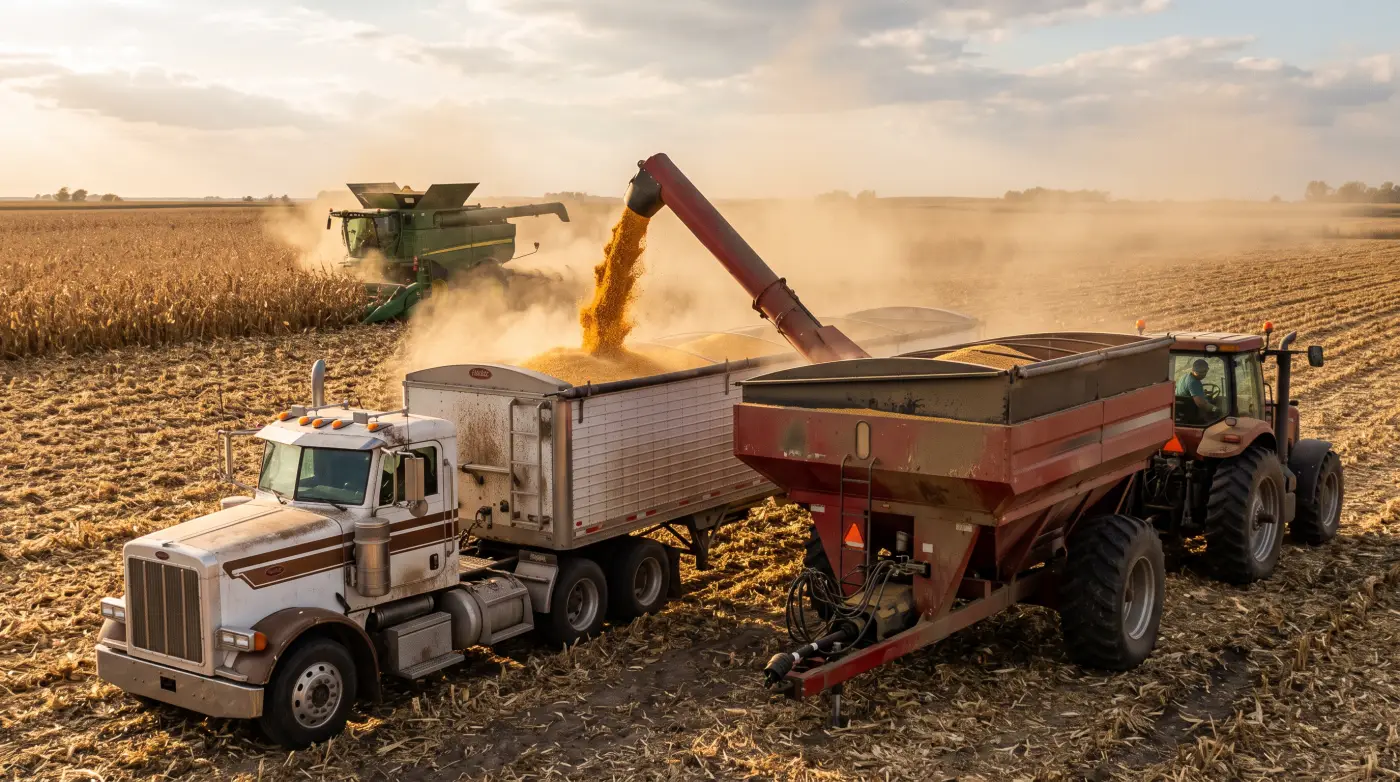
The grain cart is the most overlooked machine in the harvest train. The combine gets the attention because it is the expensive, complicated one.
Read More →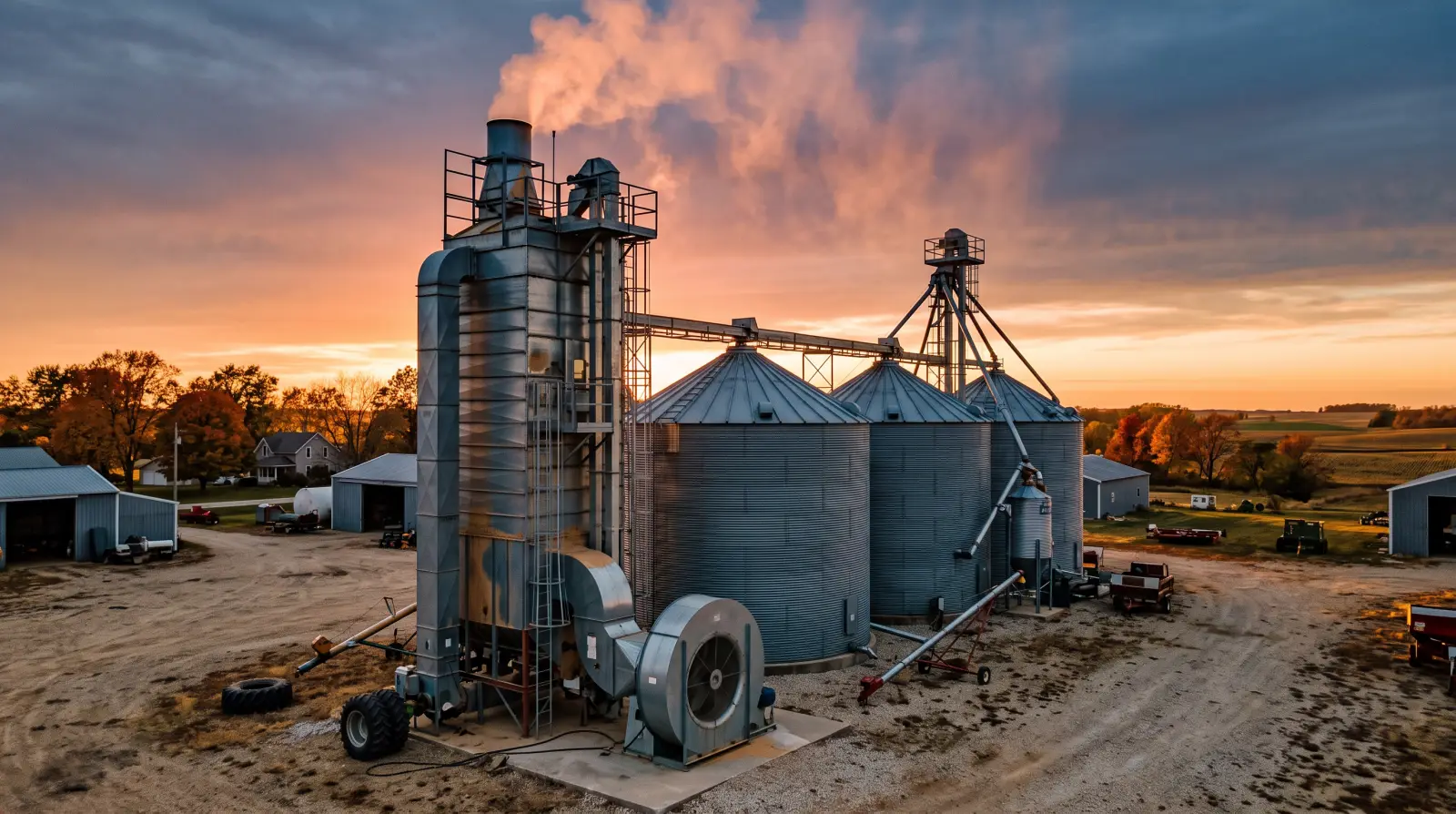
Grain drying is one of the most energy-intensive operations on a corn or soybean farm, and the propane bill at the end of a wet harvest can run into six figures for operations that move significant volume through the dryer. The economics of drying have always been straightforward in principle - take wet grain, add heat and airflow, remove moisture, store dry grain - but the cost structure has gotten more difficult as propane prices have risen, electricity rates have crept up, and the moisture content of grain coming out of the field has trended wetter with the shift toward fuller-season hybrids and the compressed harvest windows that follow late springs.
Read More →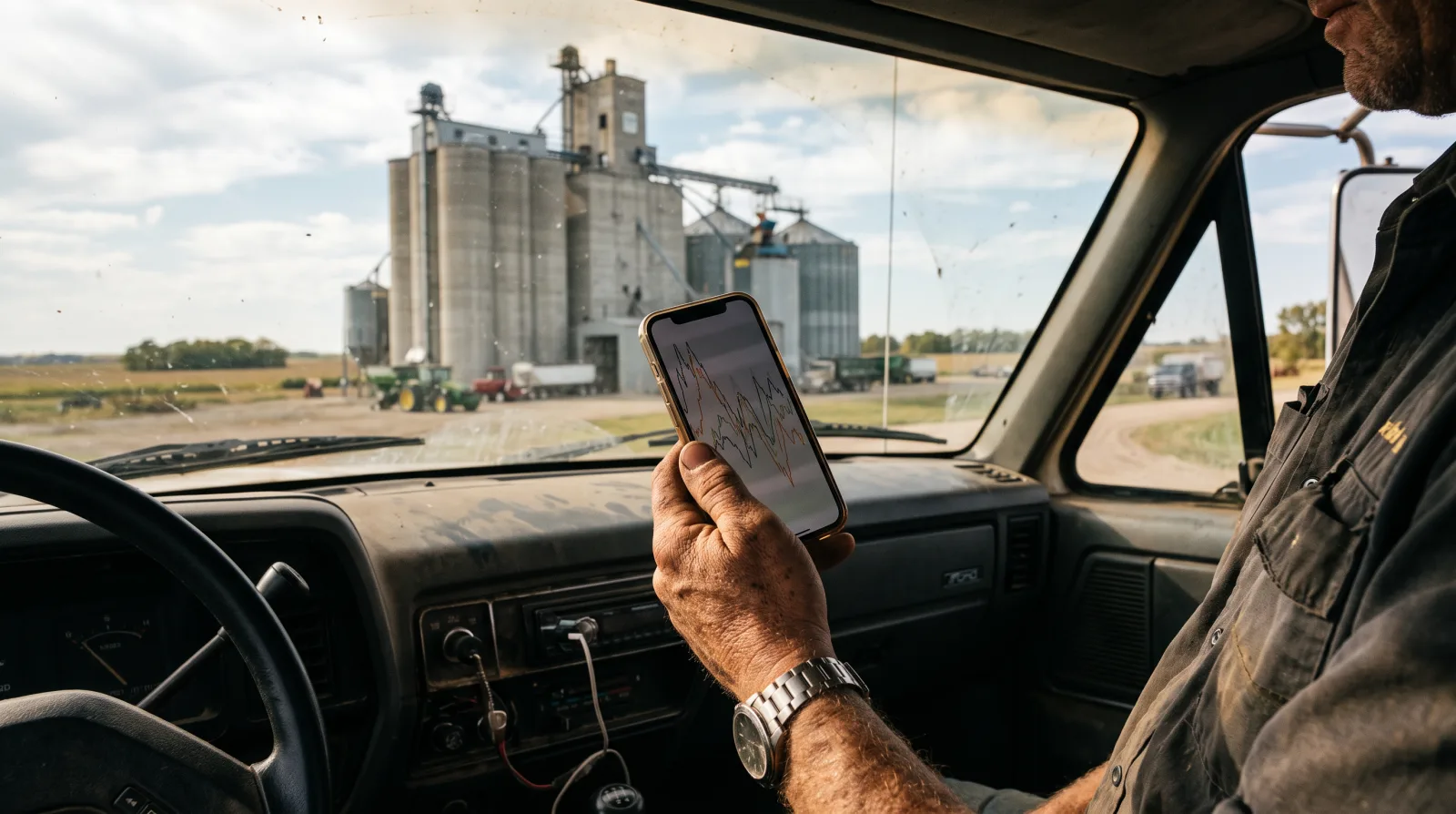
The most useful thing a grain marketing app does is small and unglamorous: it lets a farmer accept a cash bid at nine at night, from the combine cab, the instant the local price hits a number that was decided on weeks earlier. No phone call to the elevator, no waiting for the merchandiser to pick up, no talking yourself into or out of the sale while the market moves.
Read More →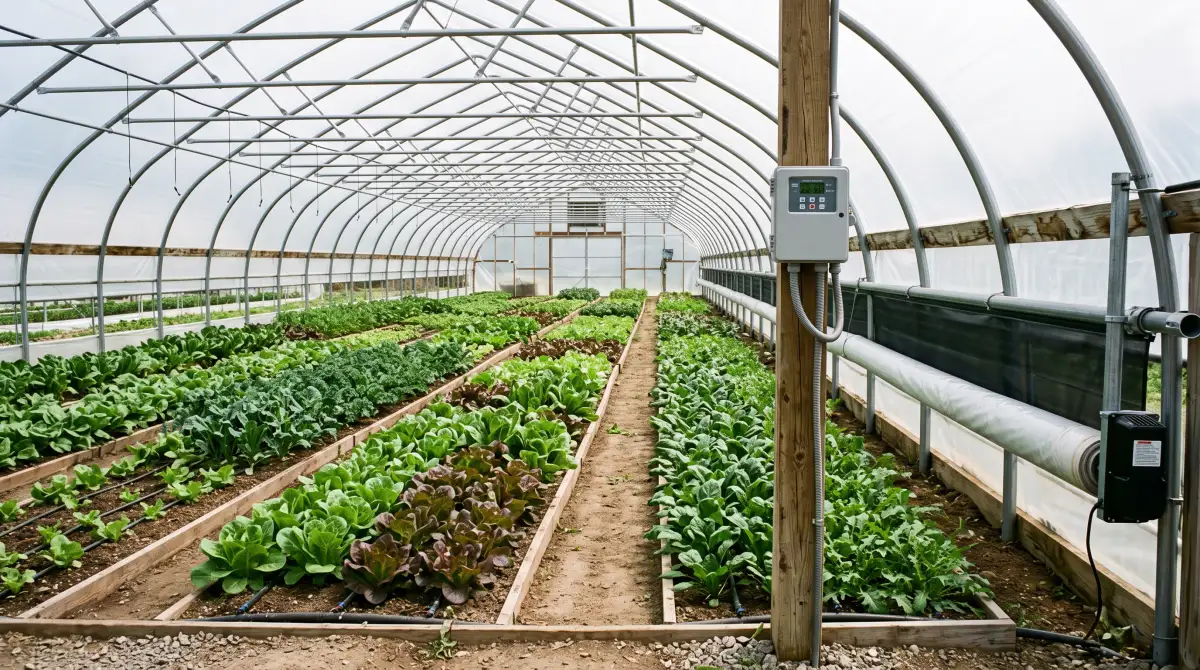
Greenhouse and high tunnel automation is not one product but a three-rung ladder: a passive wax vent opener for light vents, a thermostat driving motorized roll-up sides for a working tunnel, and a staged climate controller for a heated greenhouse. Match the rung to your structure, not the spec sheet.
Read More →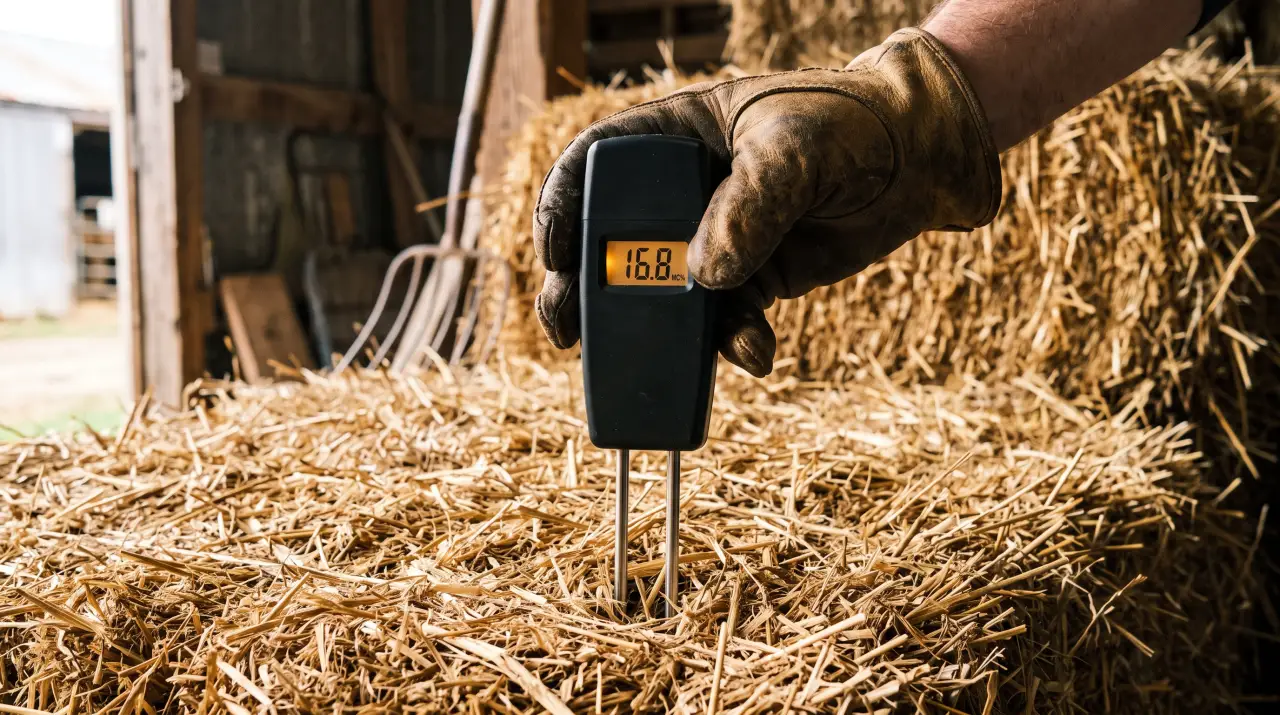
Every summer, barns burn down that did not have to. Fire investigators find the same pattern over and over: hay baled a little too wet, stacked tight, left alone through a hot week, and a few weeks later the middle of the stack is at 180 degrees and starting to smolder.
Read More →
Most crops need somewhere between 1 and 2 inches of water per week, counting rain and irrigation together, but the real answer changes every week. Water need equals the crop's evapotranspiration - what it loses to the air plus what evaporates from the soil - and that rises from almost nothing at emergence to about 1.75 to 2 inches per week at full canopy in summer heat.
Read More →
For this purpose, your soil type means its texture - the mix of sand, silt, and clay - and you can name it at home for free. Squeeze a moist ball of soil into a ribbon between your fingers for a two-minute read, or shake soil and water in a jar and let the layers settle for actual percentages, then match those to the USDA texture triangle.
Read More →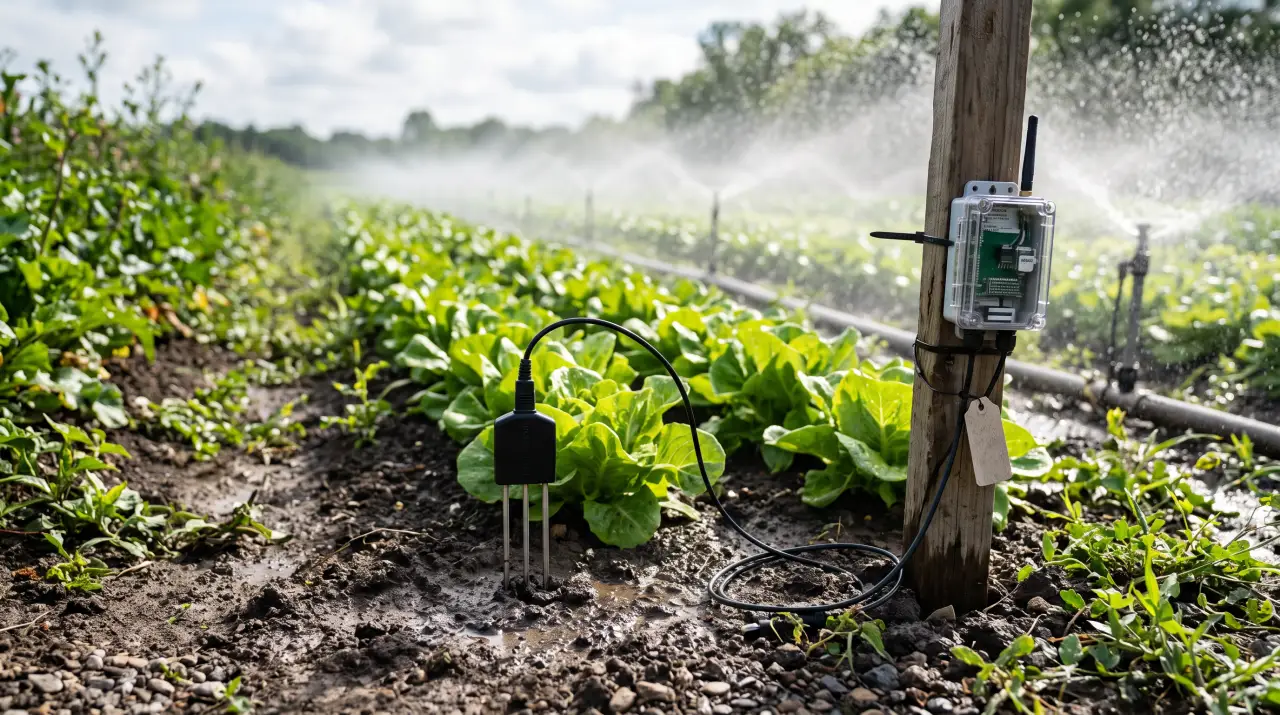
Irrigation is the place where a farm either makes or wastes the most money per acre in a single operating category. Pump fuel, electricity, pivot wear, pumping rights, labor, and the yield hit that comes from watering a day late or a day early all stack up into numbers that outpace seed, chemical, and most other input lines.
Read More →
Yes, ISOBUS lets you run a different-brand implement from your tractor's existing cab display, but "compatible" is decided per feature, not as a single yes or no. The plain job of seeing and operating an implement's screen works cross-brand almost every time.
Read More →
Your last frost date is the average date of the last 32 degree morning at a nearby weather station, drawn from NOAA's 1991 to 2020 Climate Normals. It is a 30 year average, not a promise: about half those years saw a later freeze.
Read More →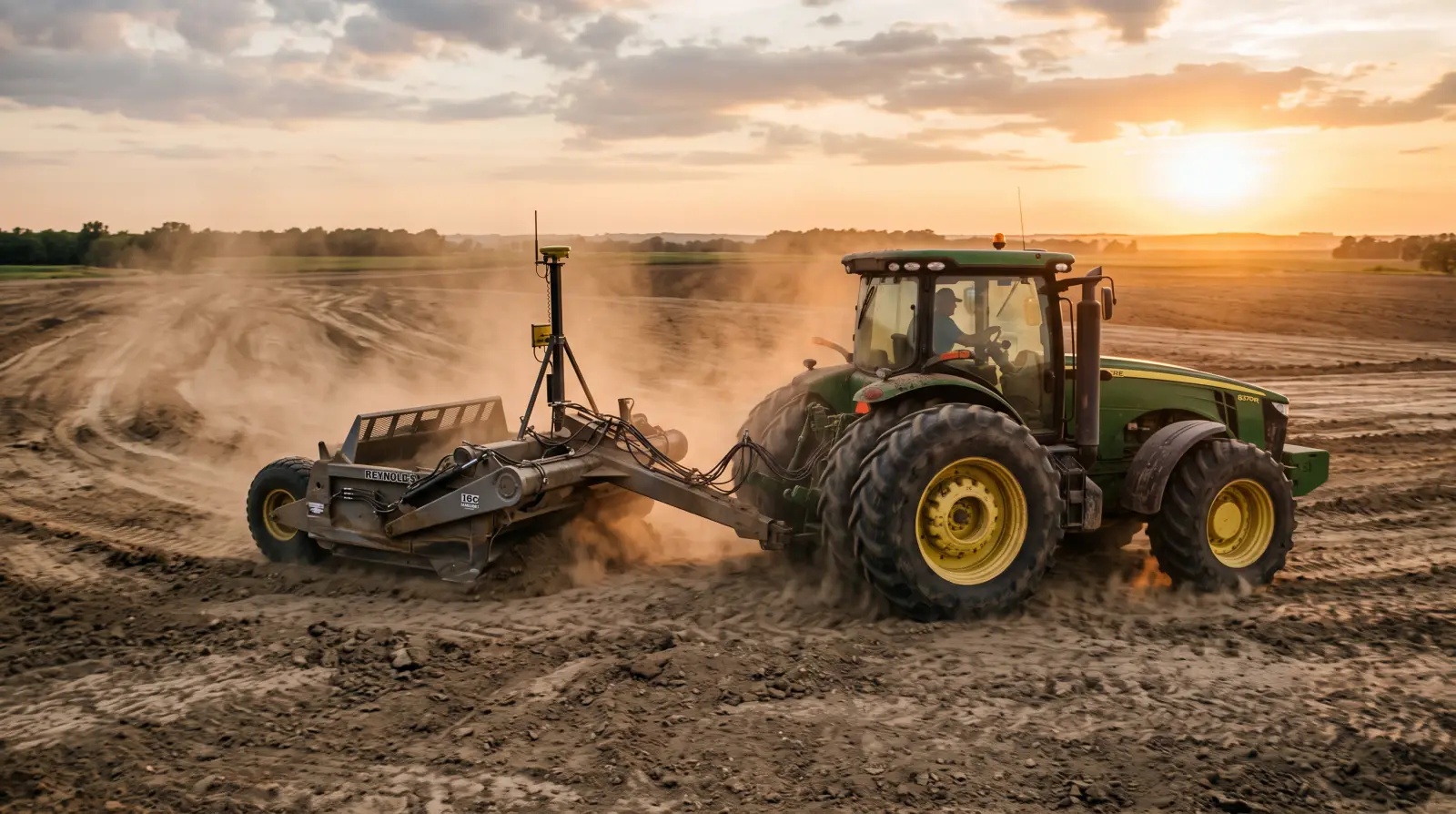
GPS land leveling reshapes a field to a planned grade so water drains one way instead of pooling. That wet spot is not a technology problem, it is a grade problem: the pocket is flat or falls the wrong way, so water has nowhere to run.
Read More →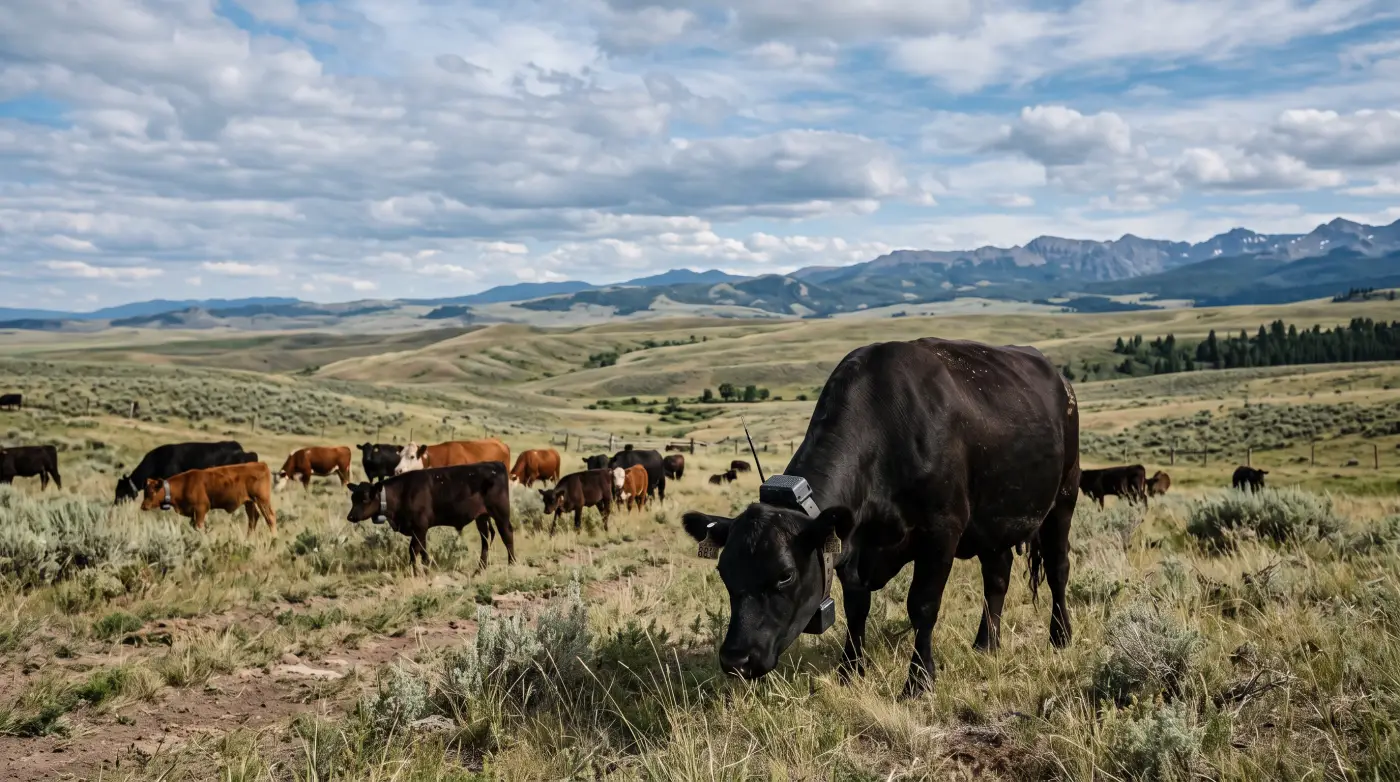
GPS livestock tracking and virtual fencing have moved out of the research-station novelty category and into the working-operation toolkit on enough farms and ranches that the conversation is no longer whether the technology functions but where it actually pencils, where it does not, and which of the available systems are worth the capital and the management time. The 2026 picture is that the GPS collar hardware has become reliable enough for most cattle operations, that the virtual fencing systems have accumulated enough field experience to map out where they work and where they fall short, and that the operations getting real value from the technology are the ones that built the implementation around an honest assessment of their grazing pattern, terrain, and labor situation rather than around the marketing pitch.
Read More →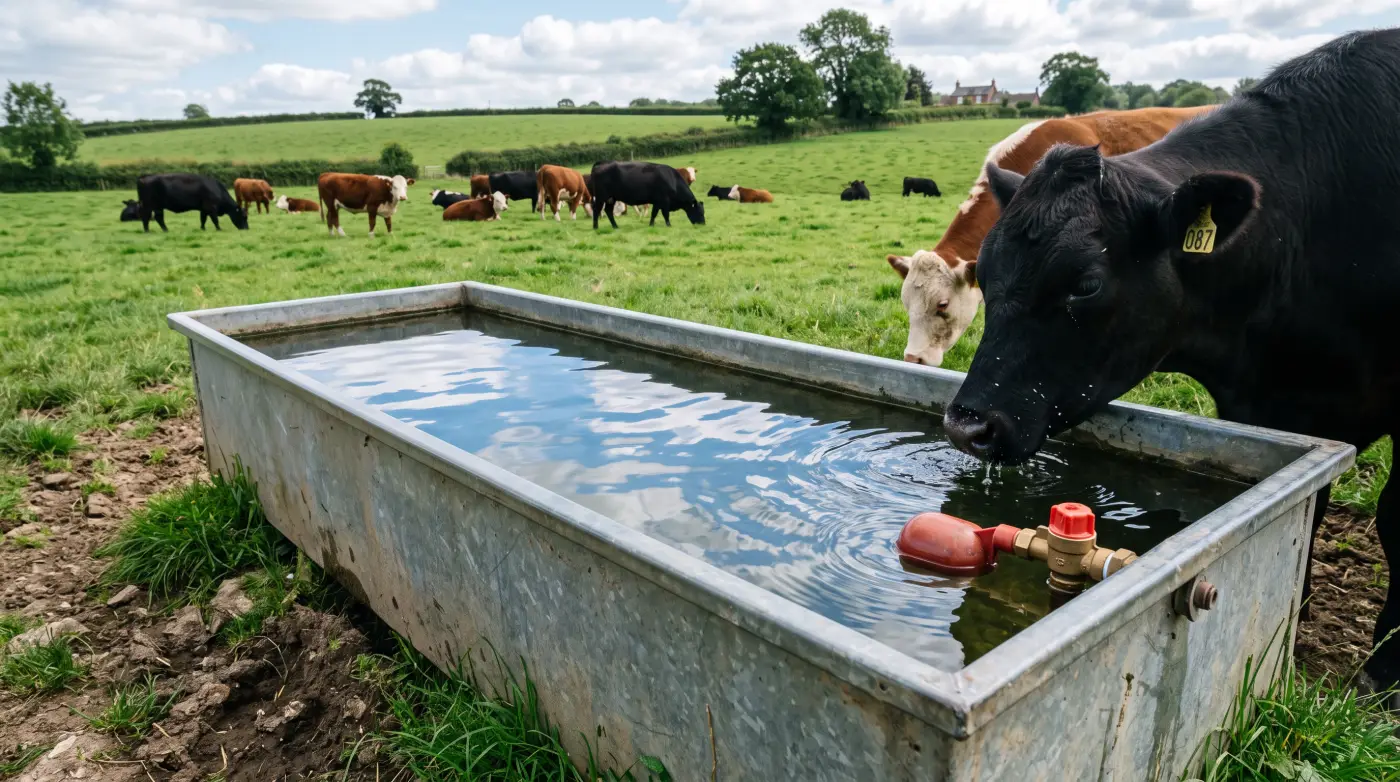
Water is the single largest daily intake of any livestock operation, and the one input that a healthy animal cannot skip for even a day. A dry lactating cow will produce twenty gallons of milk a day and drink thirty.
Read More →
A livestock wearable health monitor is an on-animal biosensor - usually a smart ear tag or neck collar - that measures rumination, activity, and body temperature, then flags when an animal drifts from its own baseline. Its real value is lead time: rumination often falls 12 to 24 hours before a sick animal looks sick, so you check the right animal sooner.
Read More →
A private LoRaWAN network is the one farm connectivity setup with no recurring bill. You buy one gateway, mount it high, run your own free network server, and every sensor you add after that talks over unlicensed spectrum with no SIM card and no monthly data charge per device.
Read More →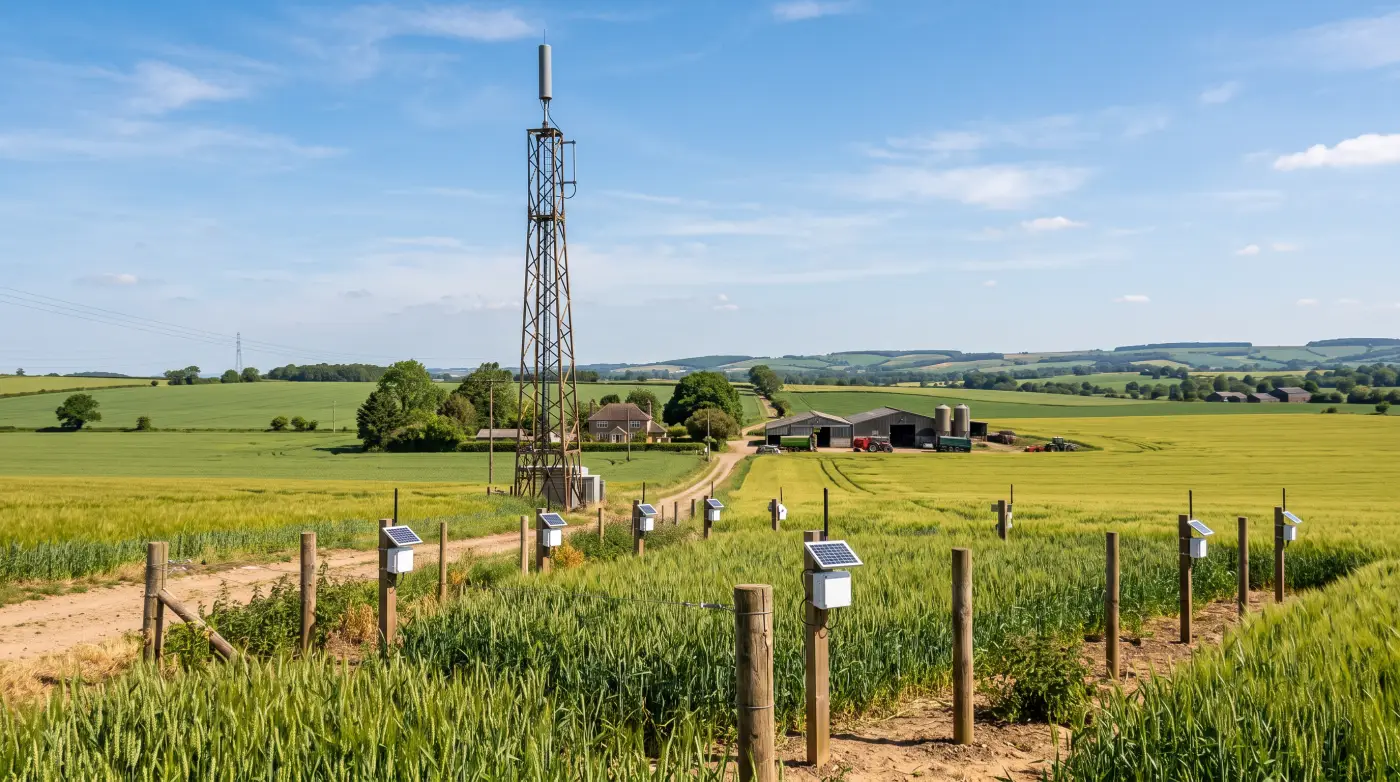
LoRaWAN is a long-range, low-power radio network that lets one antenna on your barn collect readings from dozens of cheap, battery-powered sensors spread across the farm - tank levels, gate states, soil moisture, bin temperature. It trades data for reach: a few bytes a few times an hour, sensors that run for years, and coverage measured in miles.
Read More →
For the best clamming, dig on a minus tide - any predicted low below 0.0 feet on the MLLW datum - and get onto the flat one to two hours before the listed low, not at low itself. That negative number uncovers ground ordinary lows never expose.
Read More →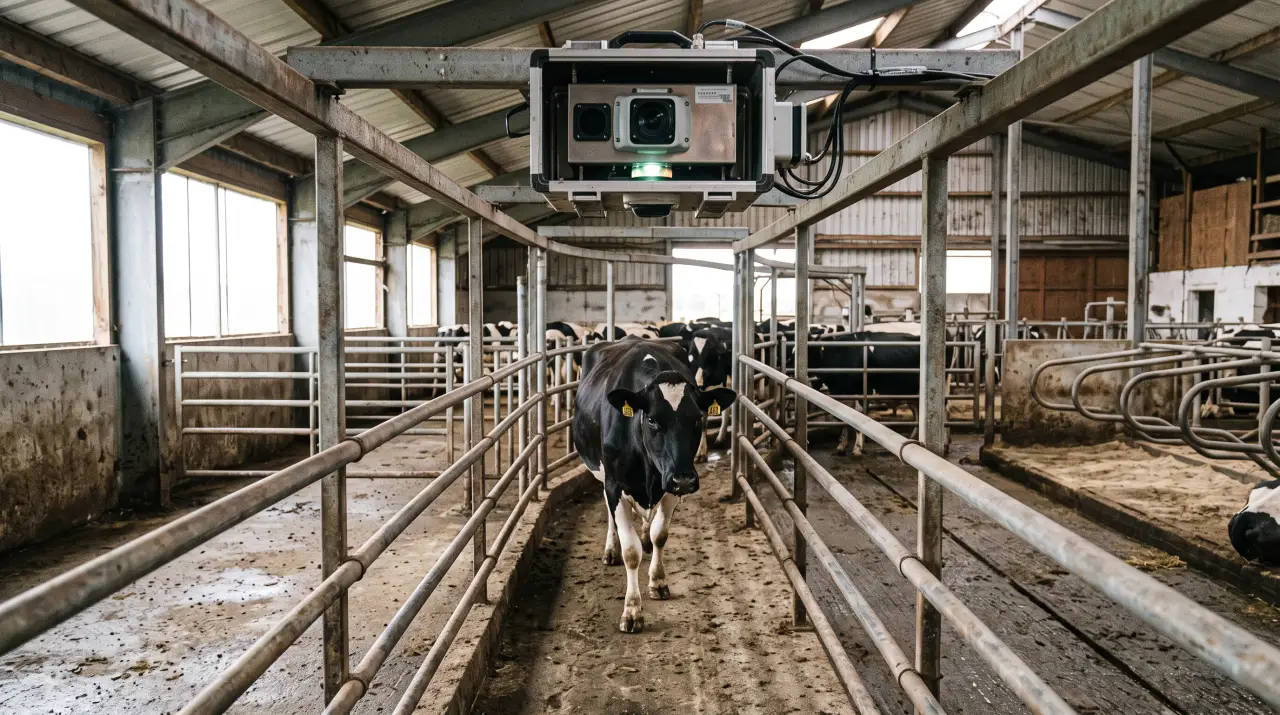
Machine vision body condition scoring uses a fixed camera over the milking parlor exit to read the same landmarks a trained scorer checks - hooks, pins, tailhead - and log a BCS for every cow, every day. It is accurate in the middle range, weaker at the thin and fat extremes, and it remains a dairy tool, not a beef-on-pasture one.
Read More →
Machine-vision spot spraying can cut herbicide use by roughly 40 to 76 percent on the post-emergence pass, with independent trials showing around $15 to $40 per acre in chemical savings. But the payoff is conditional: it depends on your weed pressure, crop chemistry cost, acreage, and how you set sensitivity.
Read More →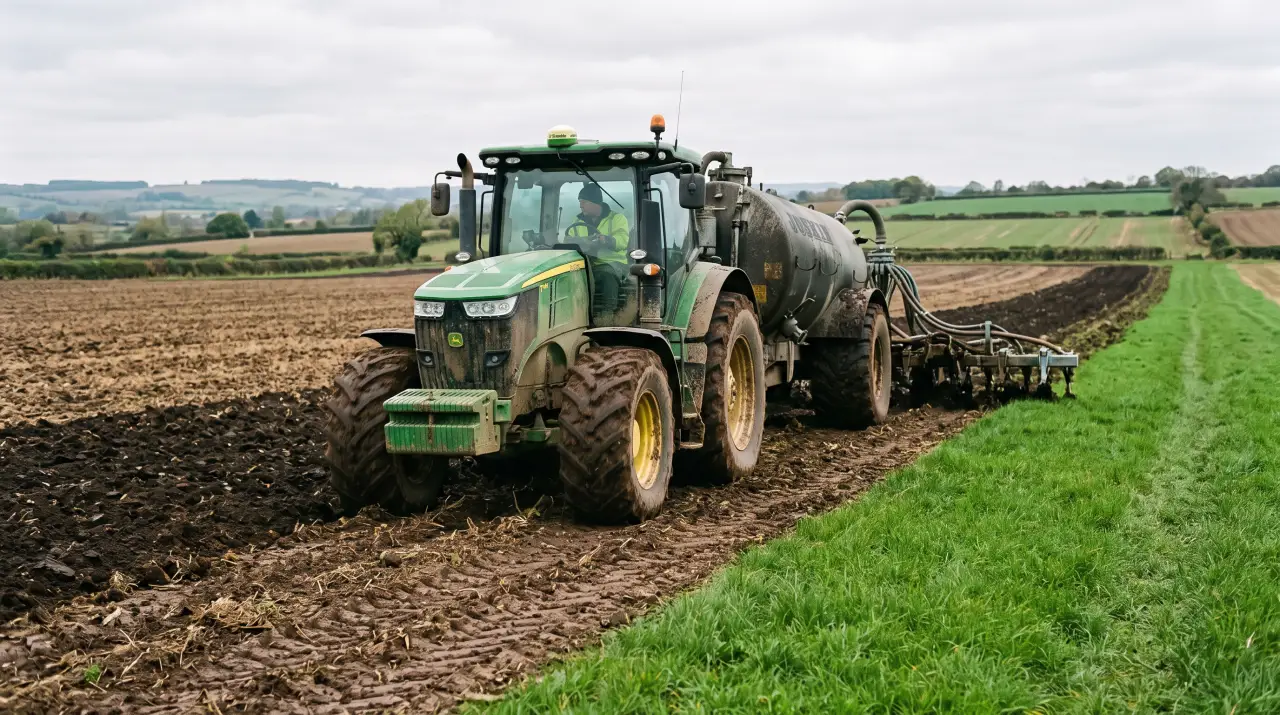
Manure has gone from a nuisance the livestock side of an operation had to deal with to a measurable input that the cropping side of the same operation increasingly tracks like commercial fertilizer. The shift has been driven by three things happening at once - rising commercial fertilizer prices that have made the nutrients in manure genuinely valuable, tightening state and federal nutrient management regulations that require documentation of what gets applied where, and a generation of sensors and software that finally make the documentation practical without doubling the labor on the spreader.
Read More →
A methane-reducing feed additive is a compound mixed into cattle rations that cuts the methane cows belch during digestion. The proven options work, but the reduction you actually capture depends on two things the marketing skips: delivering a consistent daily dose to every animal, and measuring the drop credibly enough to get paid for it.
Read More →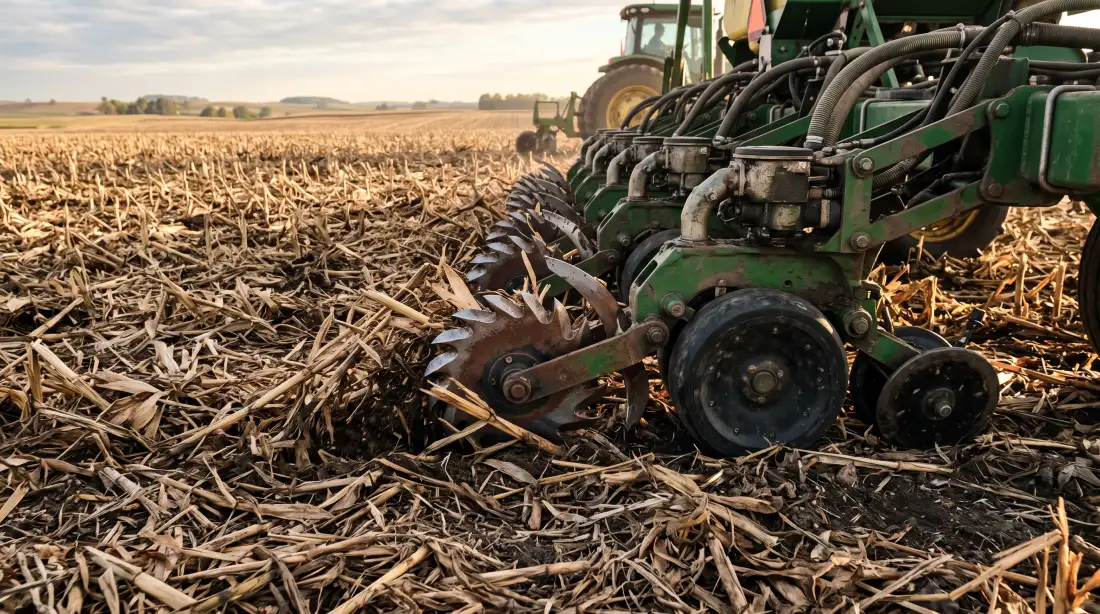
No-till is not a philosophy, it is a production system. It trades tillage passes for residue management, seed placement accuracy, and a different approach to weed and fertility programs.
Read More →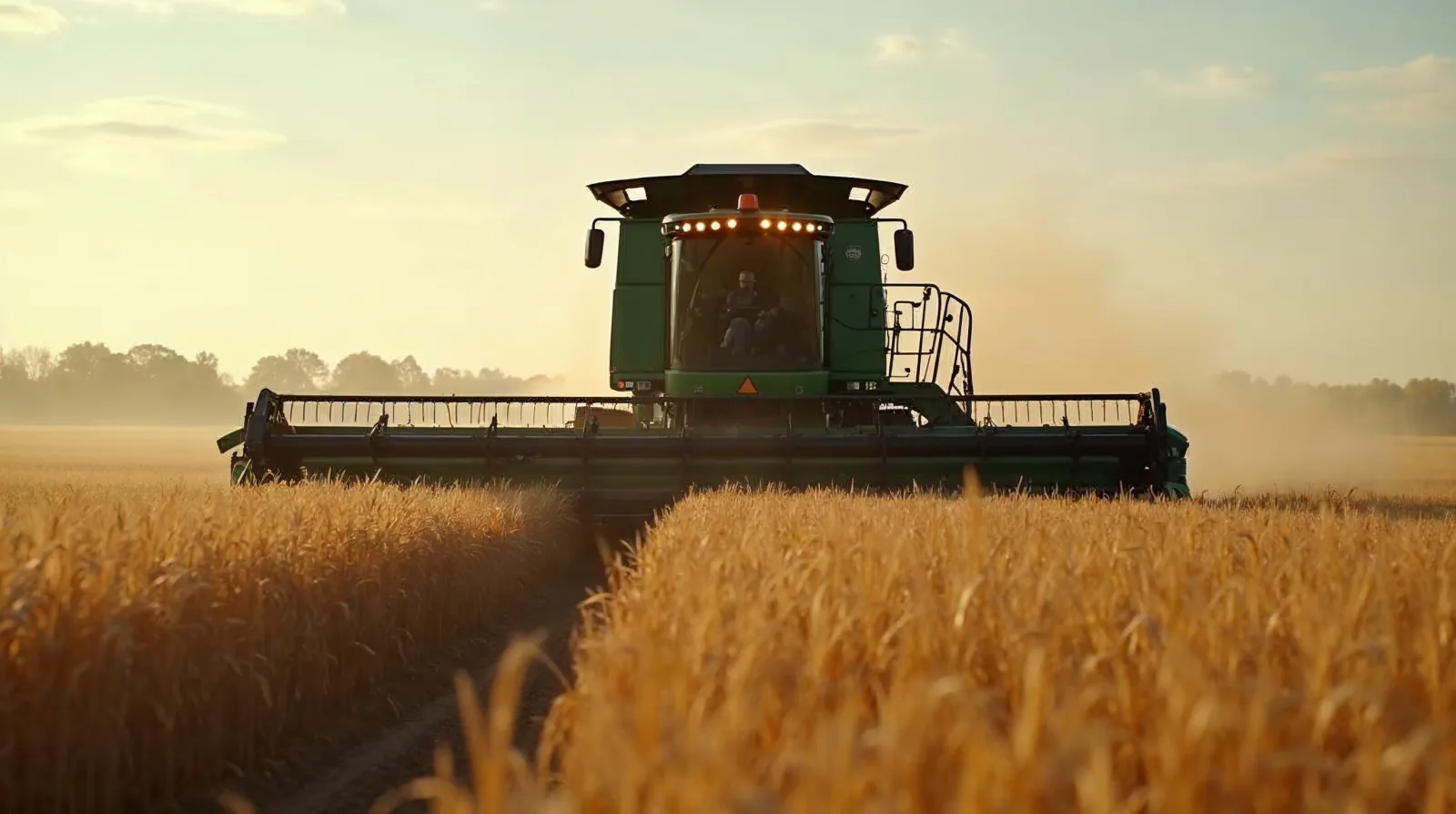
For as long as combines have had grain tanks, the answer to the most important question of harvest - what is this crop actually worth - has lived somewhere other than the cab. It lives at the elevator's probe, or in the sample bag that rides to the co-op office, or in the discount schedule that gets read out over the phone after the truck is already weighed and dumped.
Read More →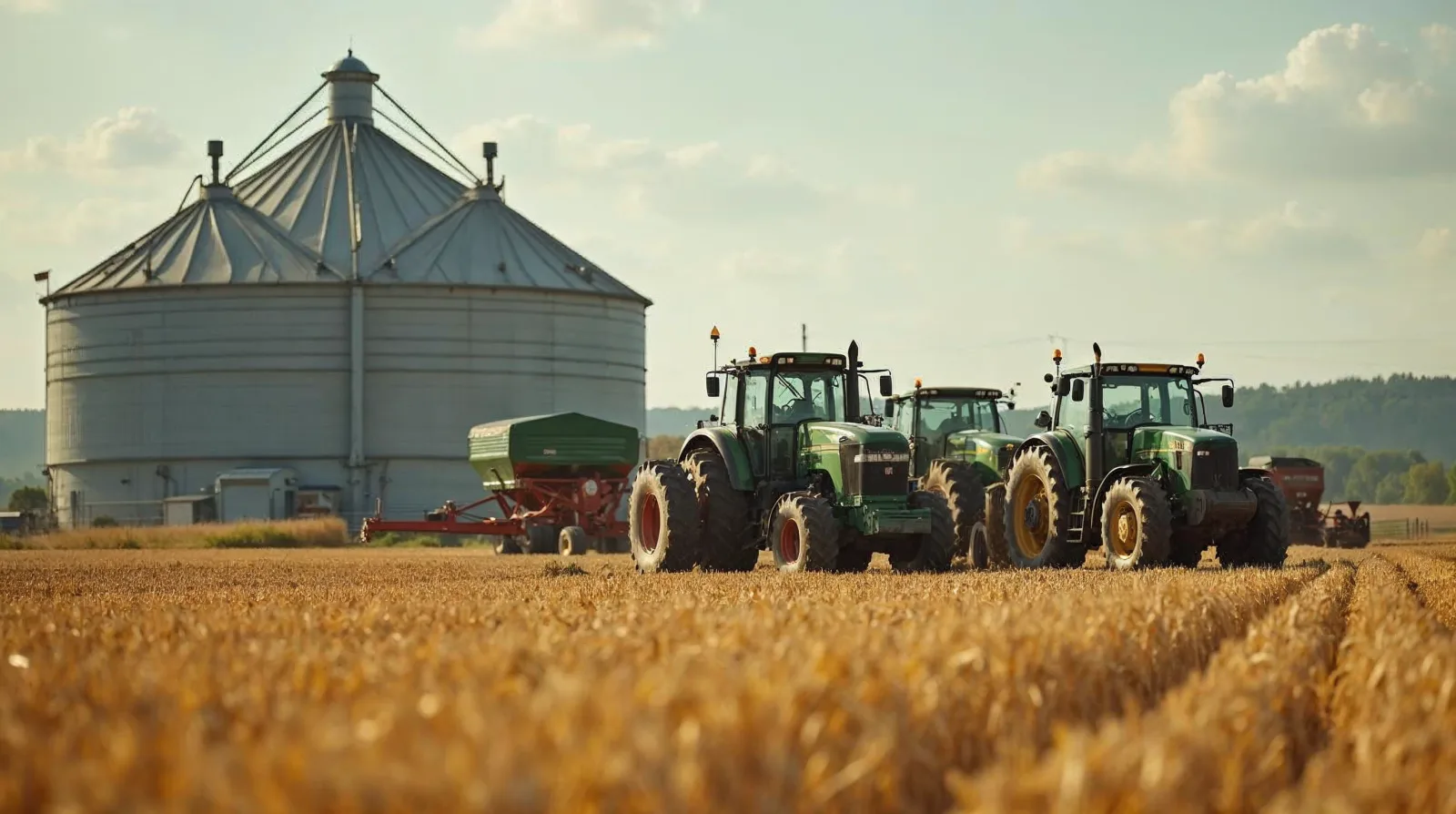
A grain bin is the only piece of equipment on most farms that makes money by doing nothing. The combine, the planter, and the sprayer all earn their keep through work in the field, but a bin earns its keep by holding grain still long enough for the market to come up to meet it.
Read More →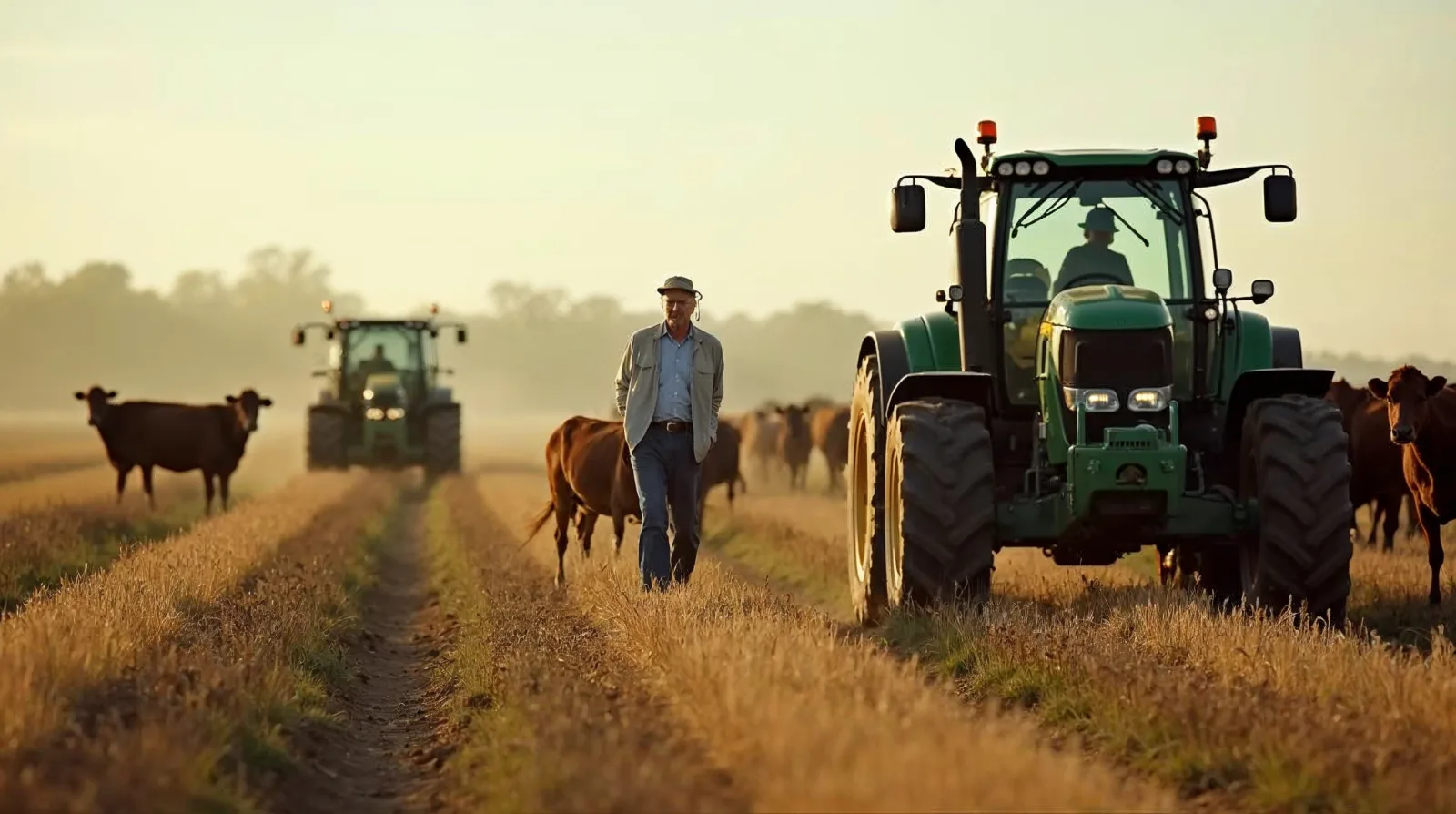
The cheapest pound of gain is the one you grow on grass you already own. Every grazing operation runs on a simple math problem - dry matter produced per acre, dry matter consumed per head, and how efficiently the animal turns that grass into pounds.
Read More →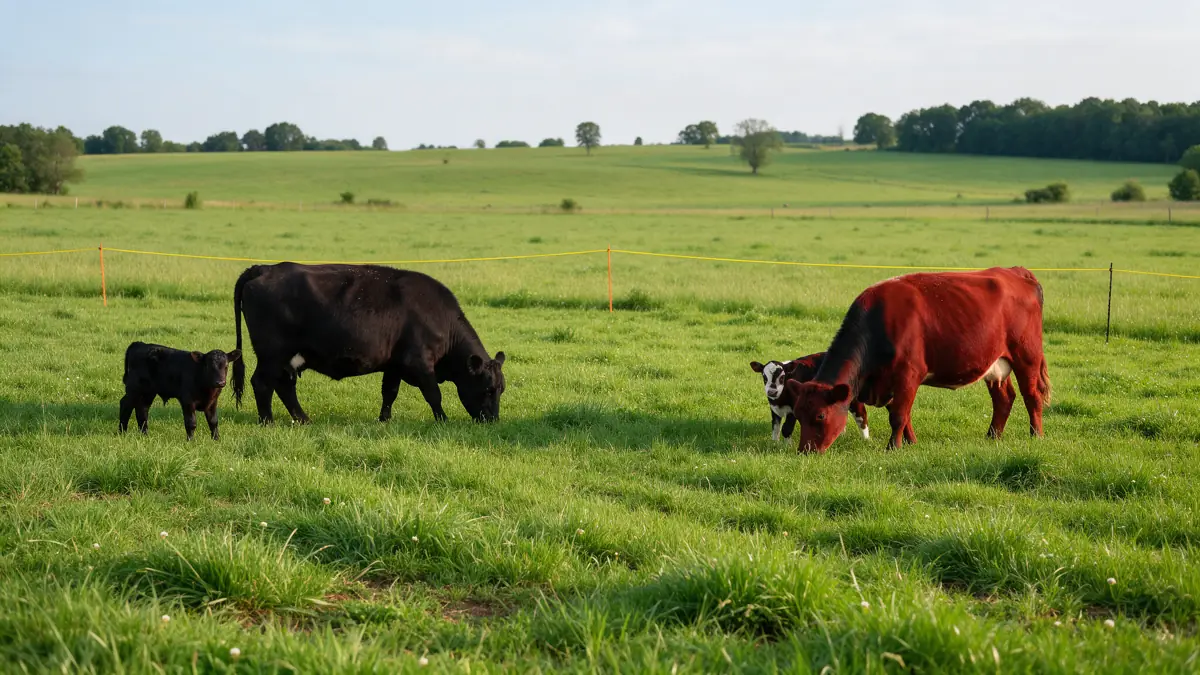
To calculate pasture stocking rate, multiply grazable acres by pounds of forage dry matter per acre and by grazing efficiency (25 to 40 percent), then divide by each animal's daily intake (about 3 percent of body weight for a cow-calf pair) times days in the season. Round down, then check the grass mid-season.
Read More →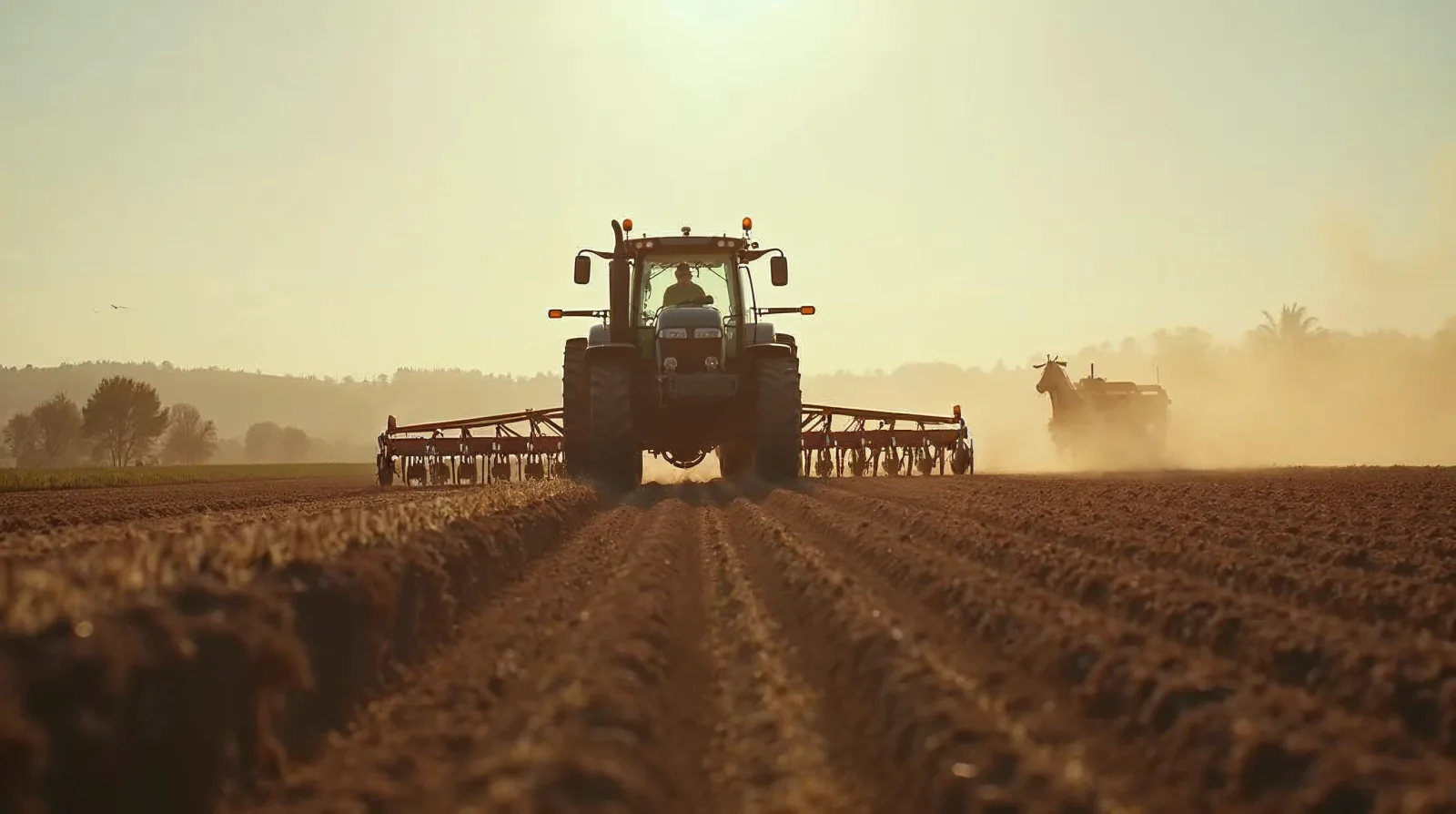
Stop a planter at the end of the first pass, walk back into the field, and dig up a row by hand. If the season is going to give you trouble, you can usually see it right there in the trench.
Read More →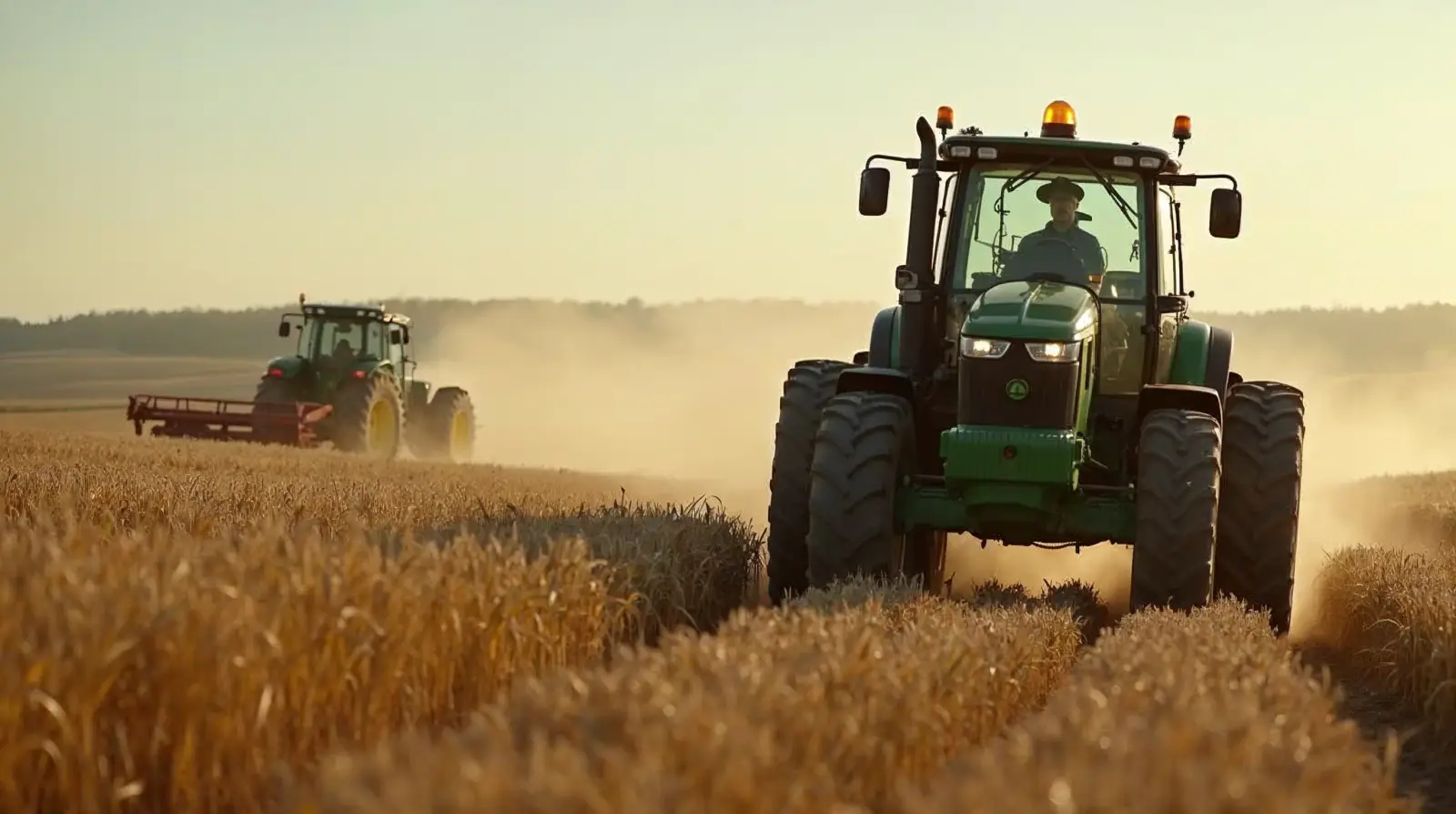
GPS guidance is no longer a novelty in row crop farming. It is a work tool that touches every pass - tillage, planting, spraying, sidedress, and harvest.
Read More →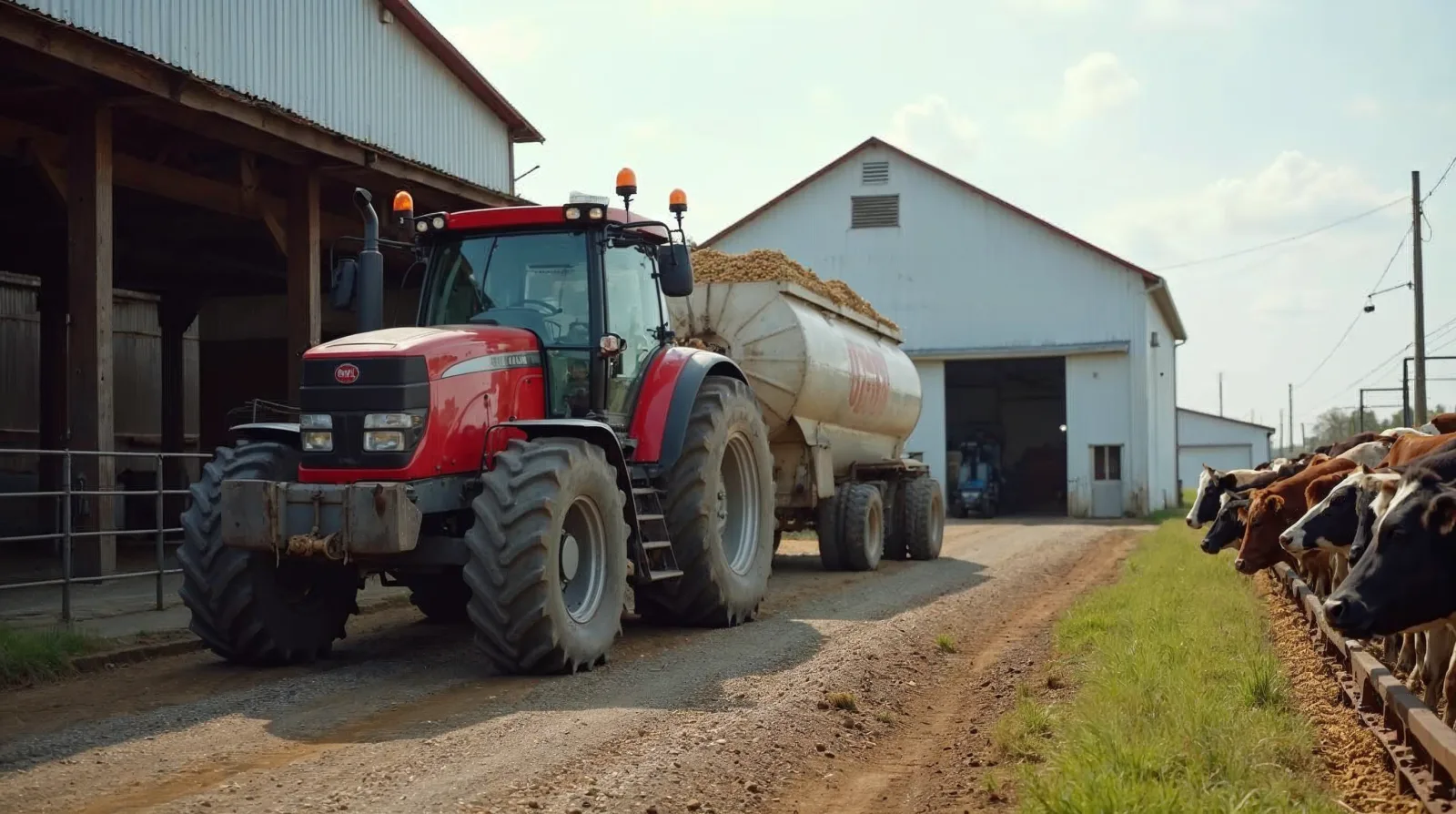
Feed is the largest cost on almost every livestock operation, usually somewhere between half and two-thirds of the total cost of producing milk or gain, which means the feed bunk is the most expensive piece of ground on the farm. Everything that happens at that bunk - how accurately the ration is mixed, how consistently it is delivered, how much the animals can actually reach, and how much gets pushed out of reach and wasted - shows up directly in the milk tank or on the scale at market.
Read More →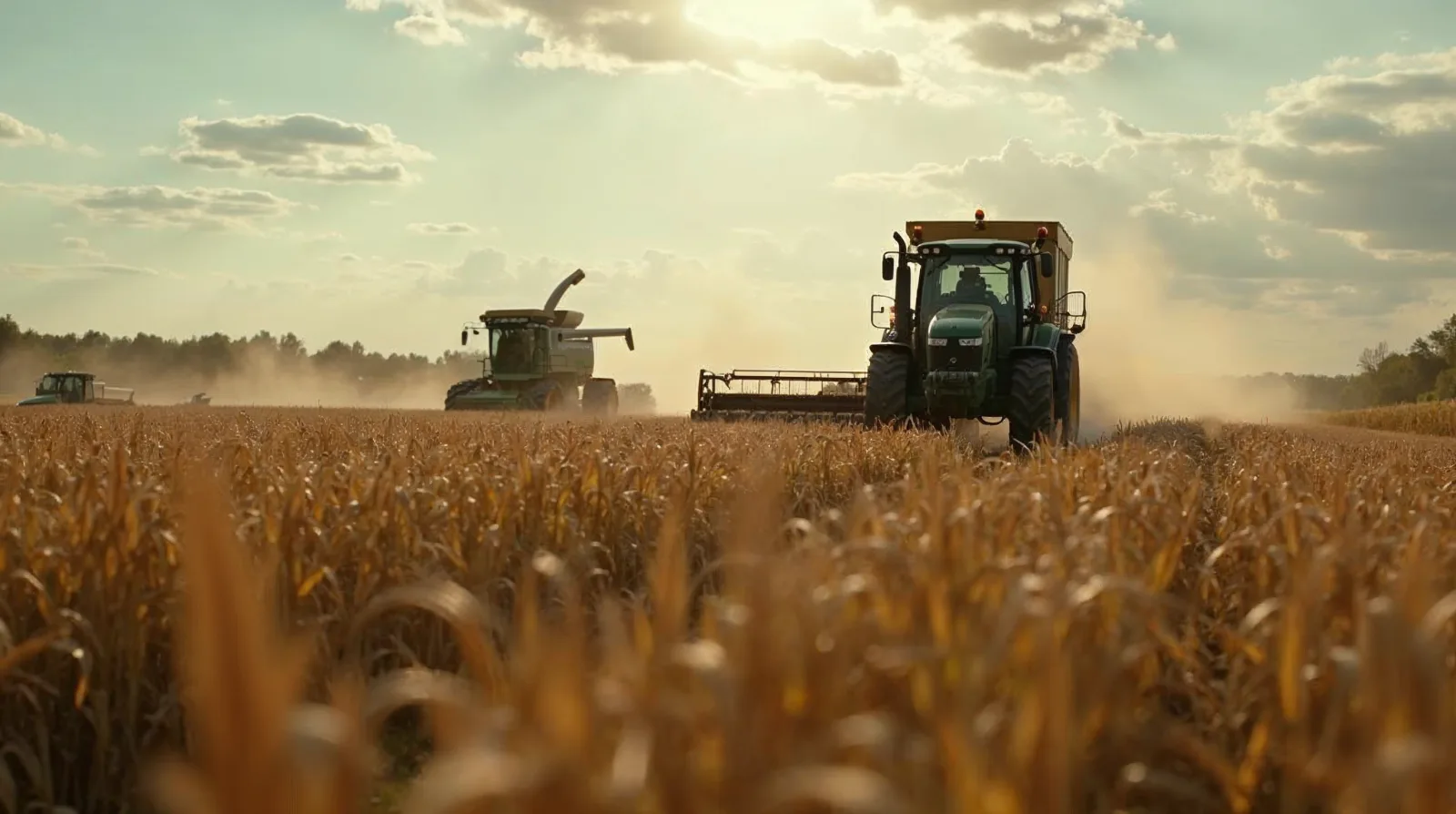
The most expensive breakdown on a farm is not the one that happens in the shop in February. It is the one that happens in the field at the front end of a good weather window, with a crop ready to come off and a parts counter three hours away.
Read More →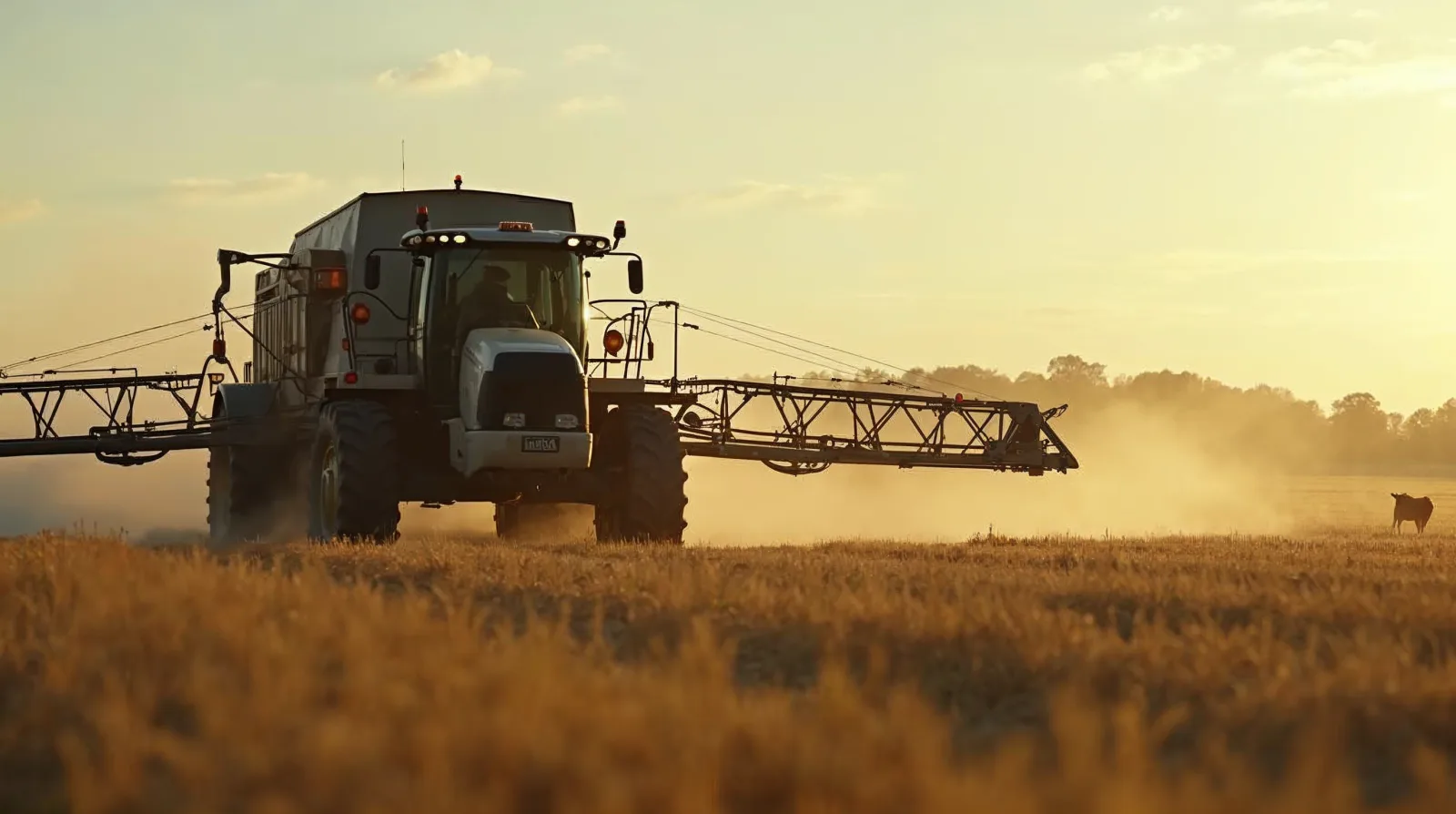
For most of the time farmers have been running self-propelled and pull-type sprayers, the rate the machine put down was tied to how fast it was driving, because the rate controller adjusted flow by changing pressure, and pressure was the only lever it had. Speed up and the controller raised pressure to keep gallons per acre on target; slow down and it dropped pressure.
Read More →
A real-time soil nitrate sensor promises a live read of nitrate-N in the root zone so you can sidedress the exact rate. Today, the proven in-season tools are the pre-sidedress nitrate test and petiole sap quick-tests.
Read More →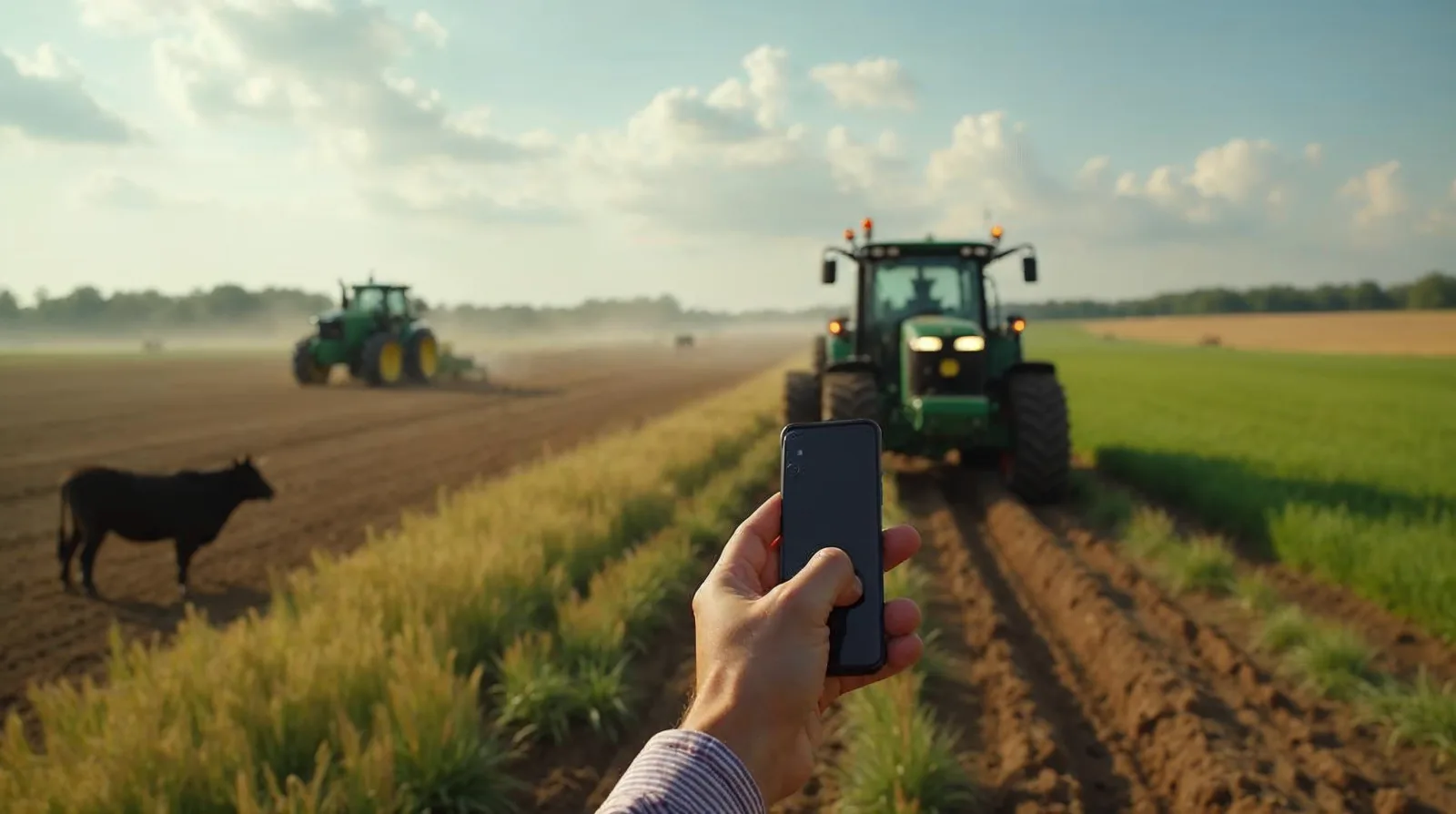
A variable frequency drive (VFD) lets an irrigation pump run only as fast as the field actually demands, cutting pumping energy 20 to 50 percent, while a cellular telemetry retrofit like FarmHQ or FieldNET adds remote start, stop, and alerts from your phone. Utility rebates of $50 to $100 per horsepower often cover a large share of the install.
Read More →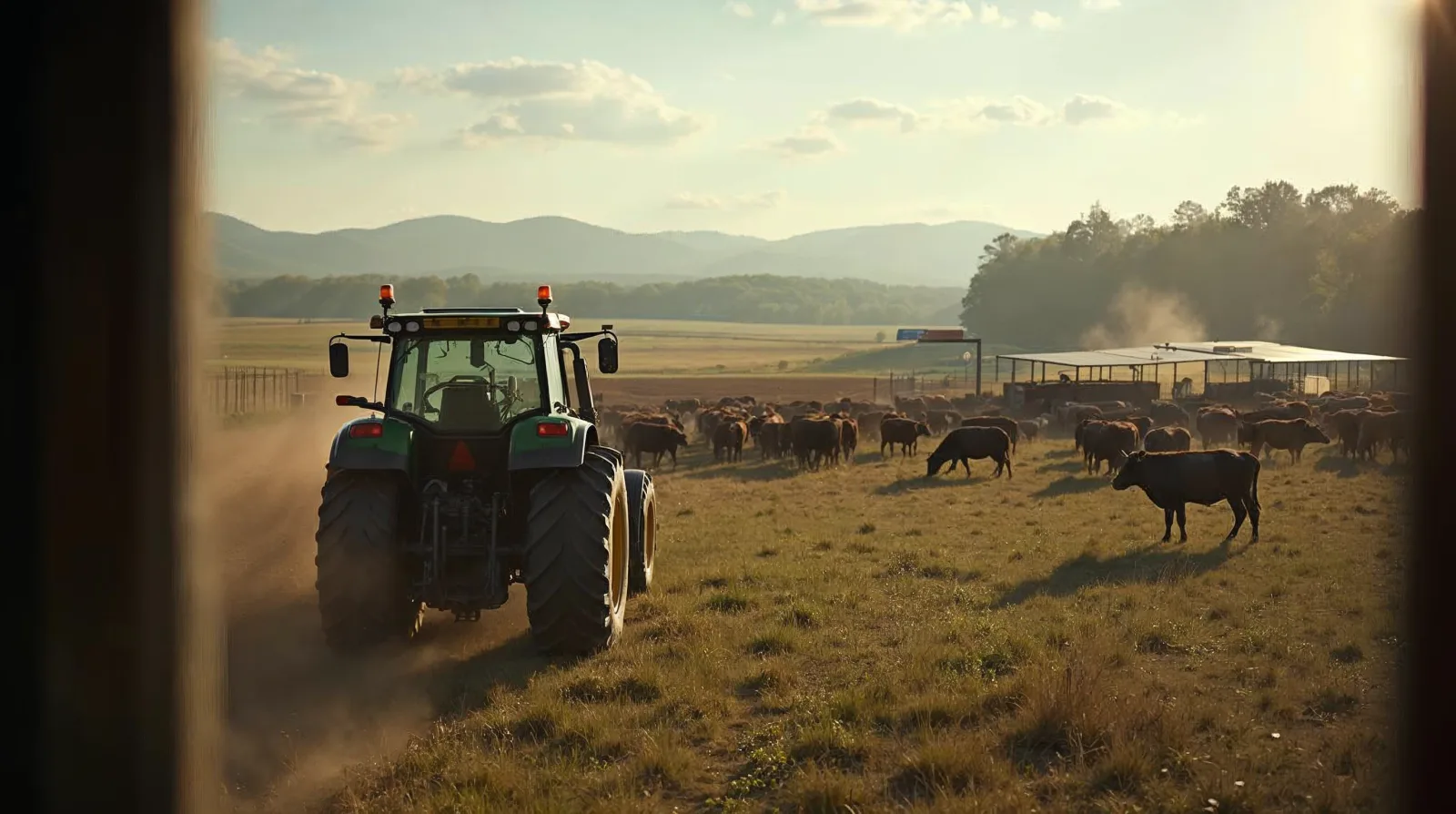
Few things cost a cattleman more sleep than calving season. Heifers calve in the worst weather, at the worst hour, and a calf that comes backward or a heifer that has been pushing for two hours without progress can turn into a dead calf, a dead cow, or both in the time it takes to pull on your boots and drive to the far pen.
Read More →
Robotic barn cleaning covers three different machines, not one: automatic alley scrapers that drag manure down a solid floor, robotic slat scrapers that push it through a slatted floor, and free-roaming collector robots that vacuum it off a closed floor. The right one depends on your floor type, your bedding, and your barn layout.
Read More →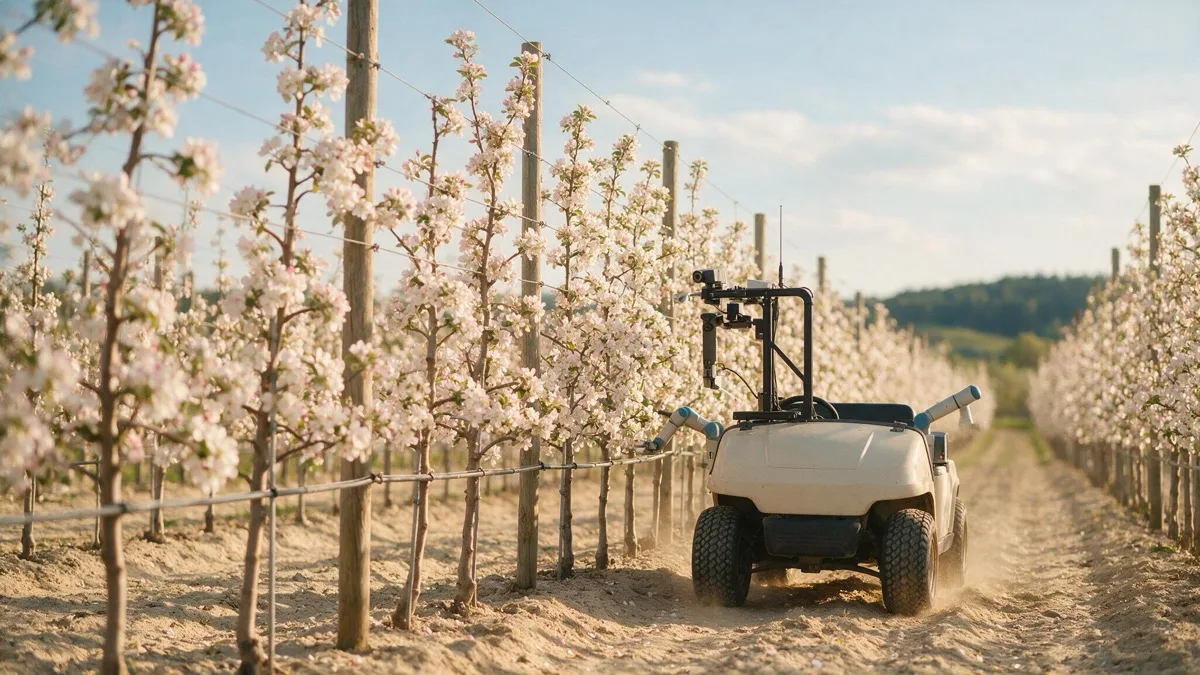
Robotic blossom thinning is not yet something you can buy. In research plots a robotic arm thins about 60 to 67 percent of targeted flowers at 7 to 9 seconds per cluster, too slow for commercial use.
Read More →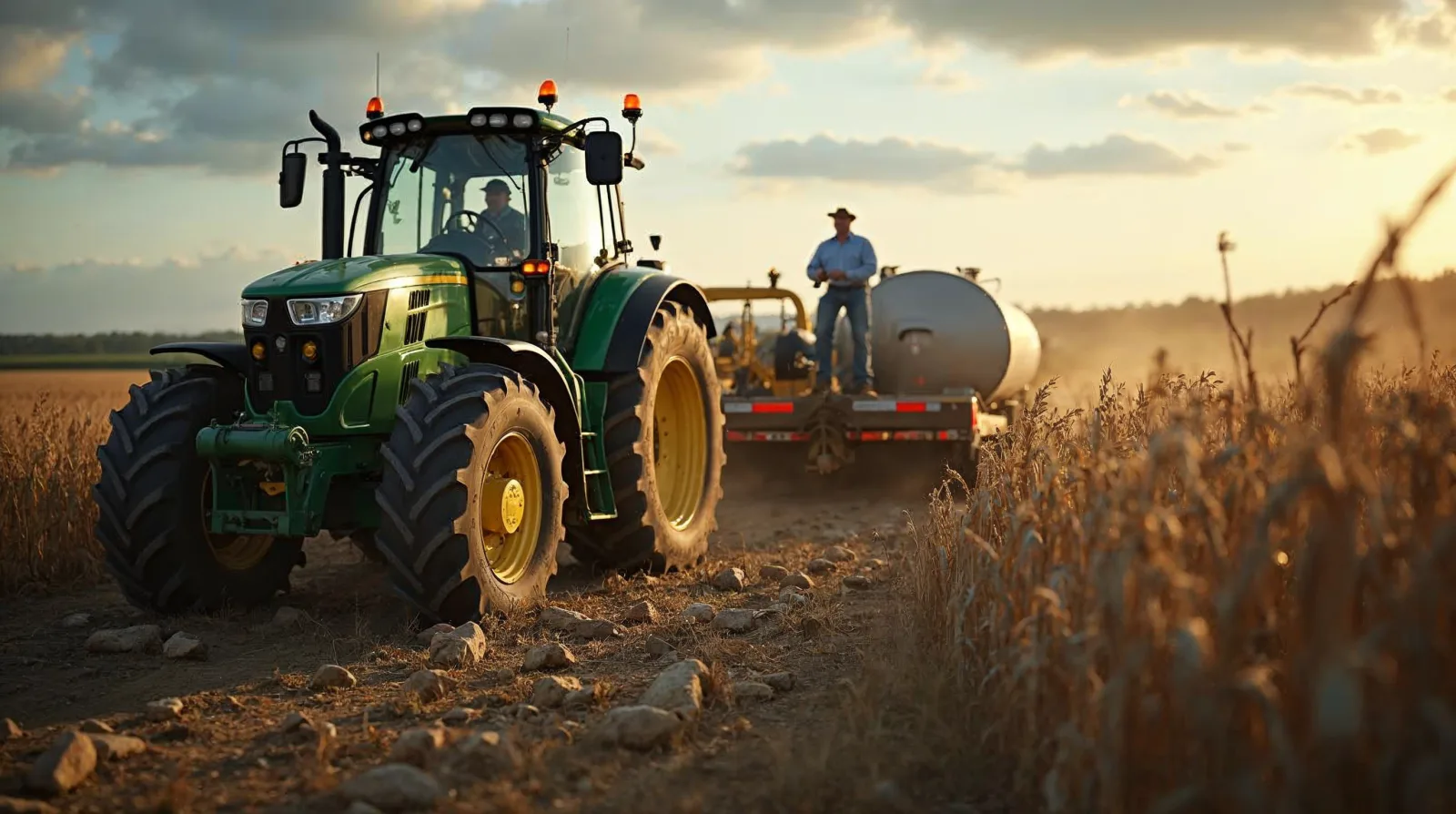
Robotic milking has crossed the line from experimental technology to mainstream choice for new dairy parlors and major retrofits in most of the developed dairy world. The shift has been particularly fast in operations under 250 cows, where the labor math and the lifestyle math both point in the same direction, but the technology now scales credibly into the thousands of cows and the largest installed sites in the United States run dozens of robots in coordinated free-flow barns.
Read More →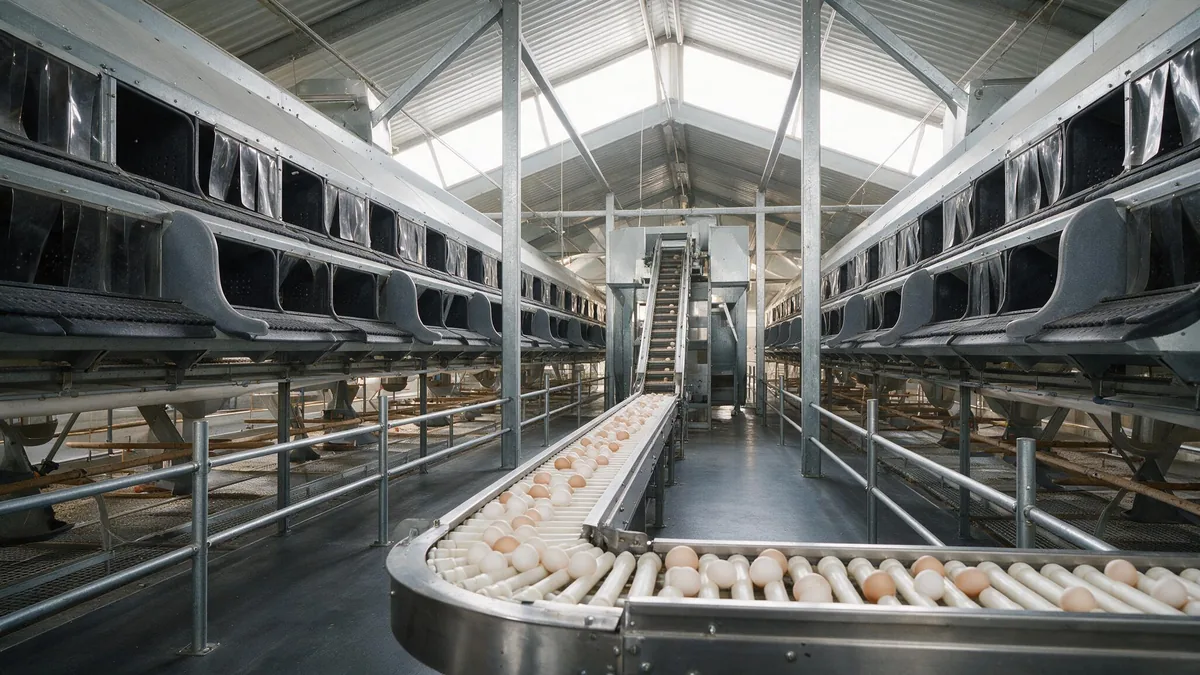
Robotic egg collection today means three different technologies at three different stages of readiness. Belt-and-grader systems already gather and inspect nest eggs hands-free and have for decades.
Read More →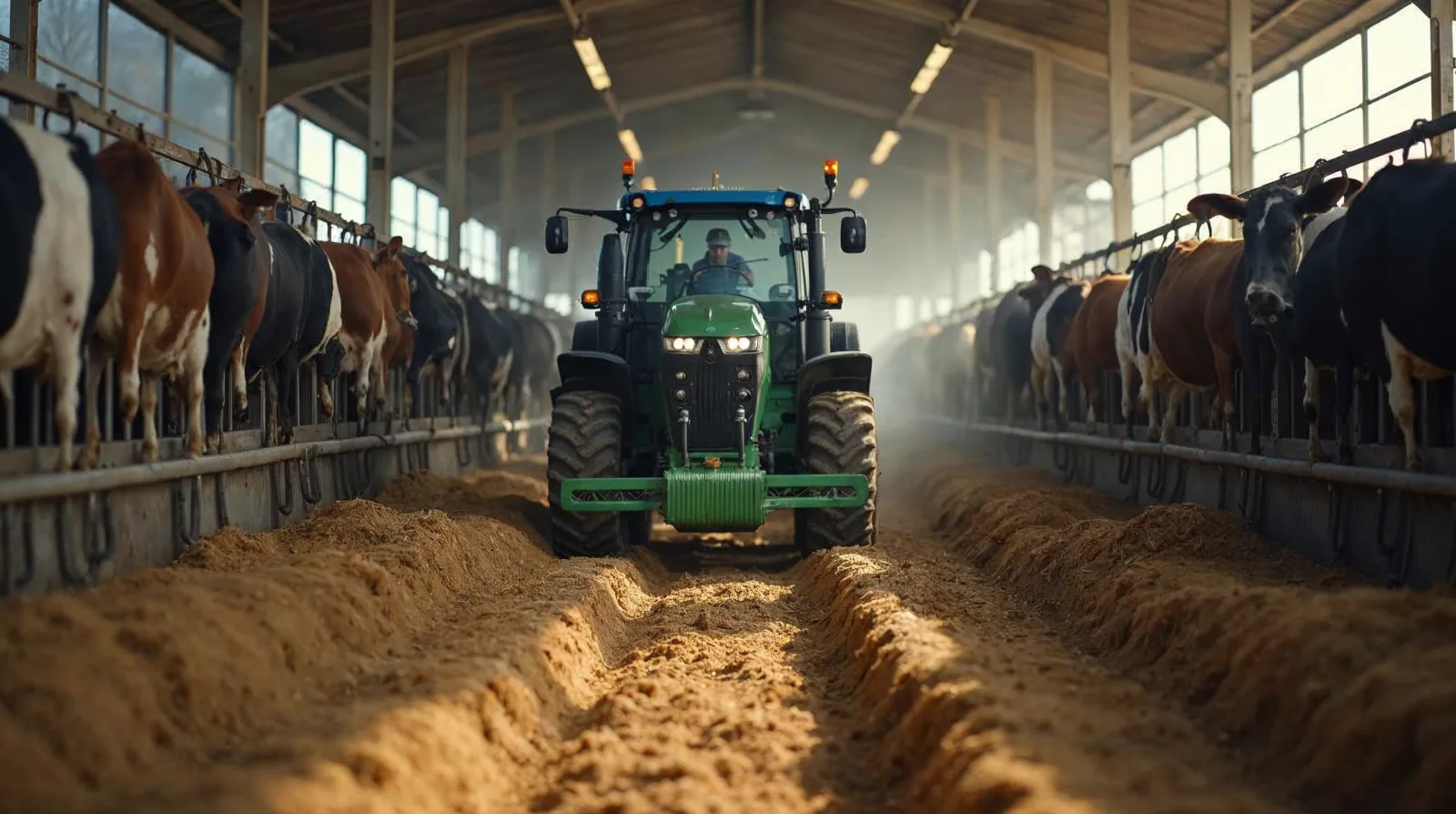
A robotic feed pusher is a battery-powered machine that patrols the feed alley on its own, nosing feed back within reach of the cows day and night. It keeps feed constantly available so cows eat smaller, more frequent meals.
Read More →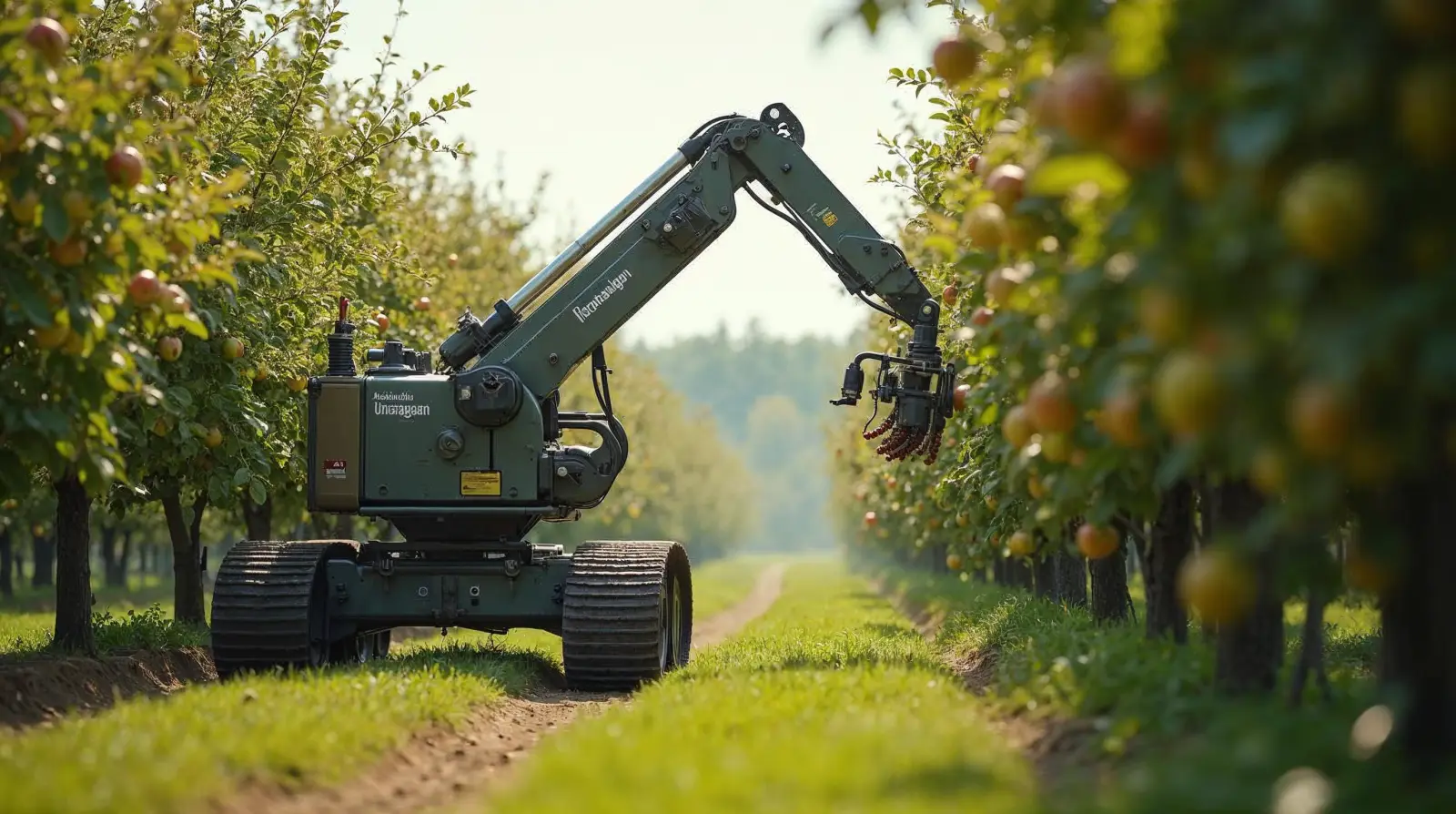
Robotic fruit harvesters are real but still frontier technology in 2026, not a product you can buy to pick a whole orchard. Machines from FFRobotics, Advanced Farm, and Tevel run in limited trials, still pick slower and bruise more than skilled crews, and several well-funded rivals have folded.
Read More →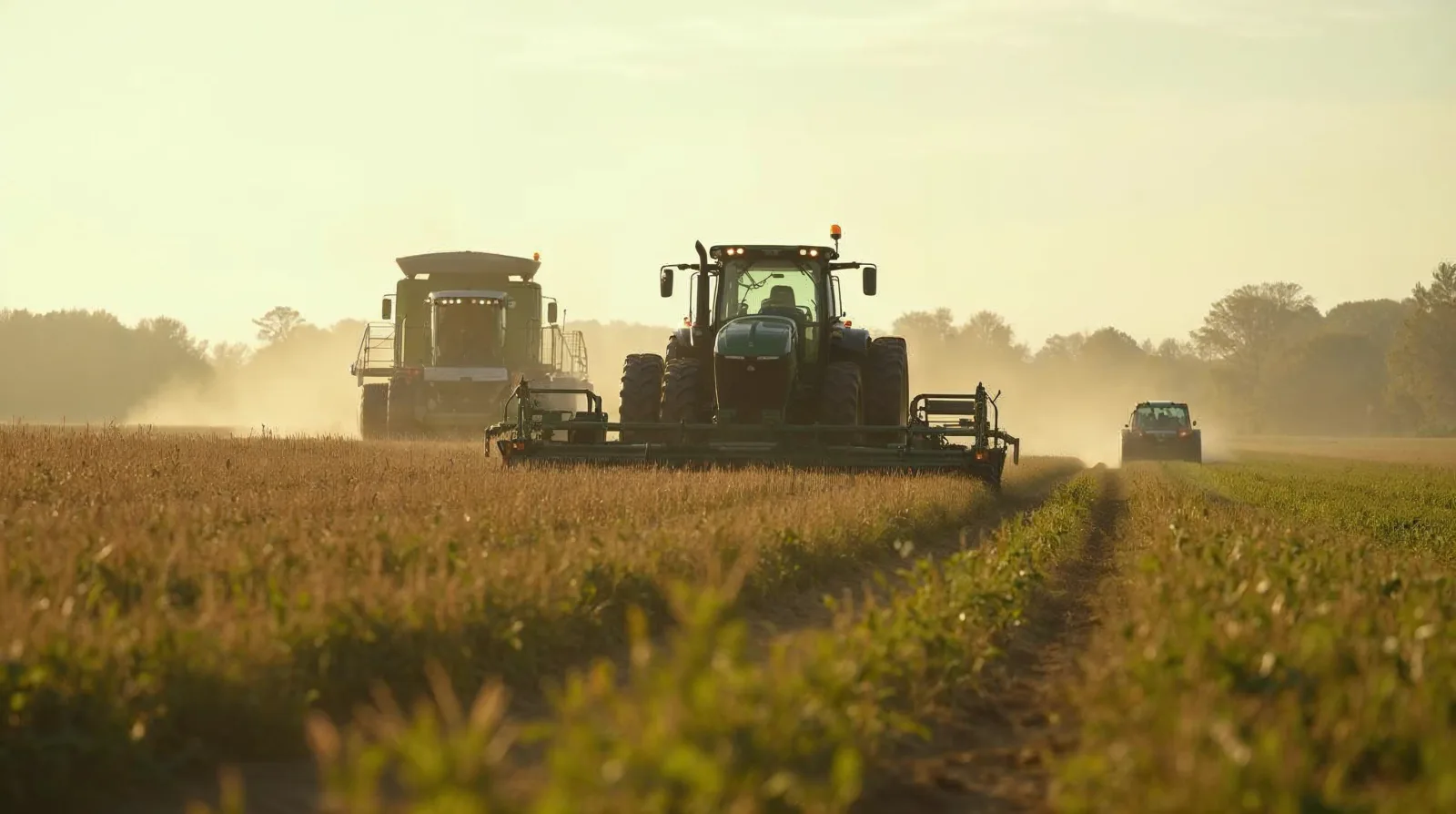
Robotic mechanical weeders use cameras and computer vision to tell a crop plant from a weed, then kill the weed with a blade, tine, or laser instead of a chemical. For row crops they come in three forms: camera-guided cultivators, self-driving weeding robots, and laser weeders.
Read More →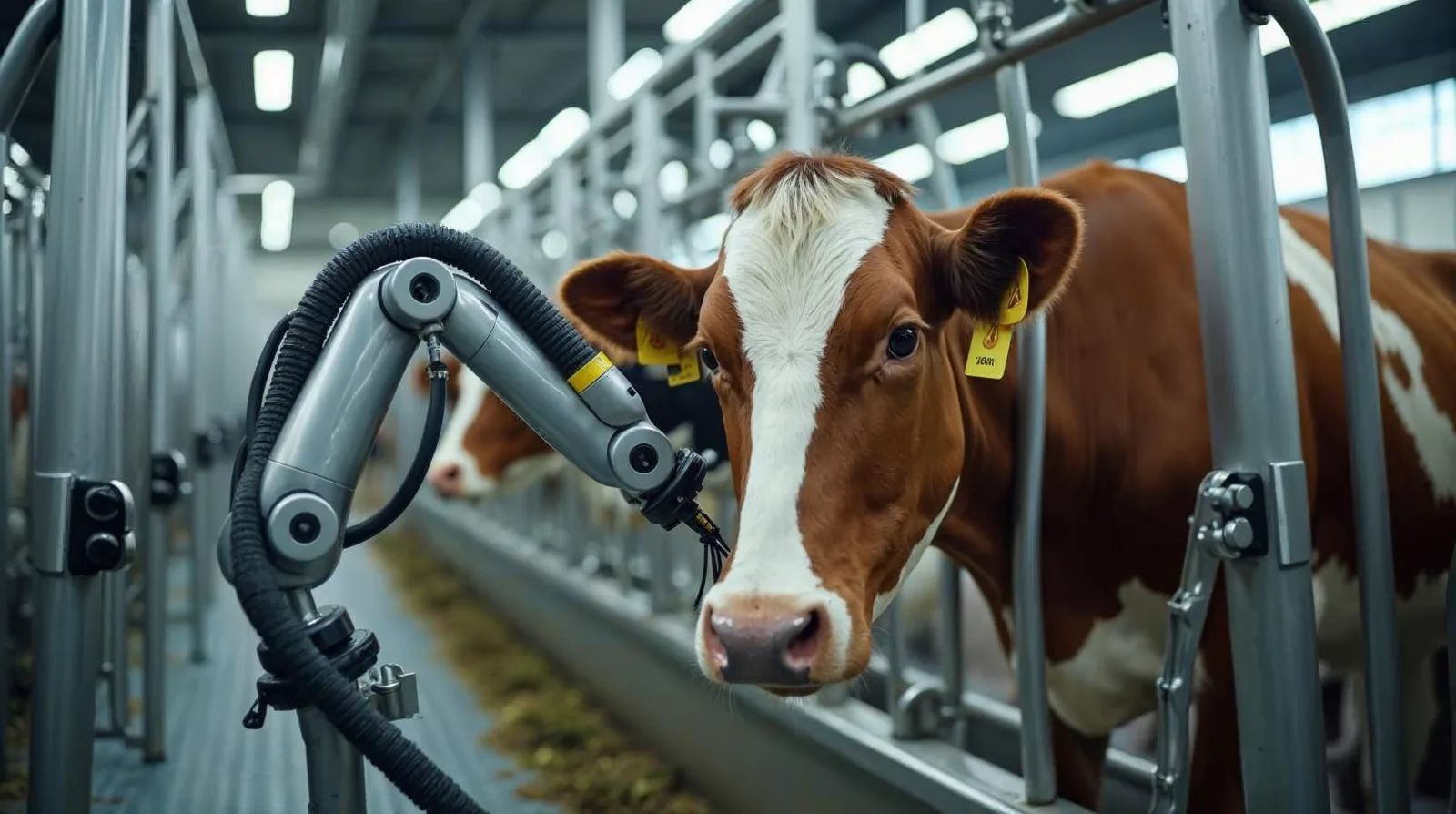
Running a small dairy in 2025 means solving a labor problem that isn't going away. Finding reliable milkers for twice or three-times daily conventional parlor work is hard in most regions, and the people you do find cost significantly more than they did five years ago.
Read More →
Two dairies can buy the same milking robot and get very different results. University of Wisconsin work found top-performing automatic milking system (AMS) farms squeeze roughly 42% more throughput out of identical hardware than poor performers.
Read More →
Fully robotic sheep shearing you can buy does not exist in 2026, and it has not in the roughly 50 years engineers have chased it. Machines have physically sheared a sheep since the 1980s, but none beat a skilled human on speed, cost, or safety.
Read More →
Robotic berry harvesters are machines that use cameras and soft-touch grippers to selectively pick ripe strawberries or cane fruit without bruising them. As of 2026 several systems have matched human pick rates in trials, but almost none are sold to growers outright.
Read More →
Robotic vineyard pruning is not fully buyable yet, but three tools that cut the same labor bill already are: mechanical pre-pruners, pulsed-air leaf removers, and self-driving straddle robots that carry the implement between the rows. True selective pruning, where a machine decides which cane to keep, is still research-grade, running about 82 percent correct cuts in small field trials.
Read More →
Sub-inch GPS guidance used to be a feature reserved for the biggest operations with the biggest iron. A factory RTK subscription from a green dealer, a yellow dealer, or a red dealer could run two to three thousand dollars a year on top of a receiver that started at six or seven thousand.
Read More →
Most cattle die on a schedule you can read backwards. The cow down with milk fever was running a low-grade temperature swing the day before.
Read More →
A modern farm runs on connectivity in ways that would have looked absurd twenty years ago. Tractors push prescriptions and pull as-applied data over the air.
Read More →
Rural internet has gone from a quality of life issue to an operational requirement on most working farms. The shift happened quietly over the past five years.
Read More →
The ideal spraying window is a steady 3 to 10 mph. Stop when wind climbs past your label maximum - often 10 mph, sometimes 15 for products like 2,4-D or dicamba.
Read More →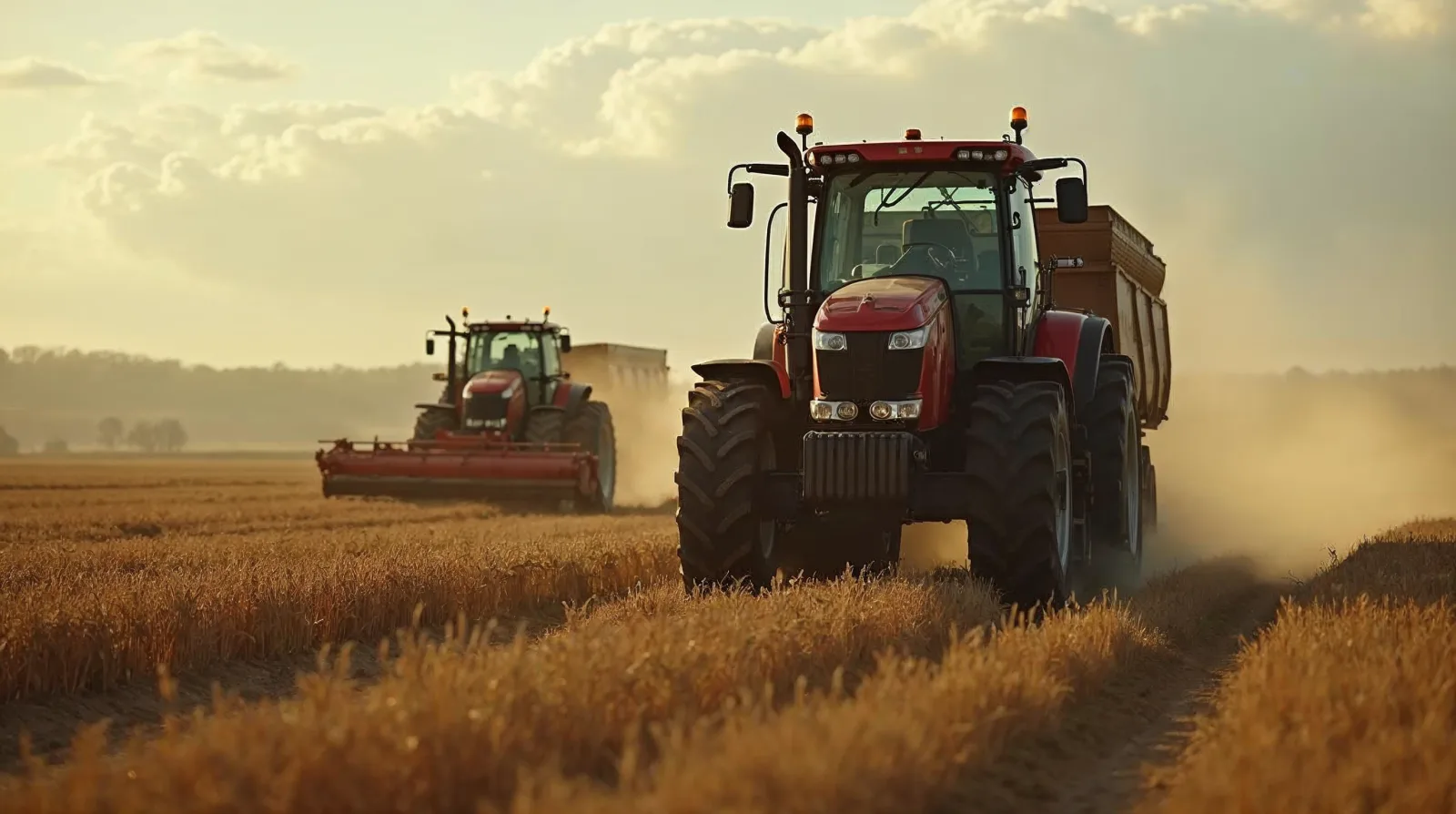
Satellite imagery can be useful, but only if you treat it as a scouting tool, not a magic yield predictor. A satellite does not know your hybrids, your compaction zones, or the fact that the north 40 always dries first.
Read More →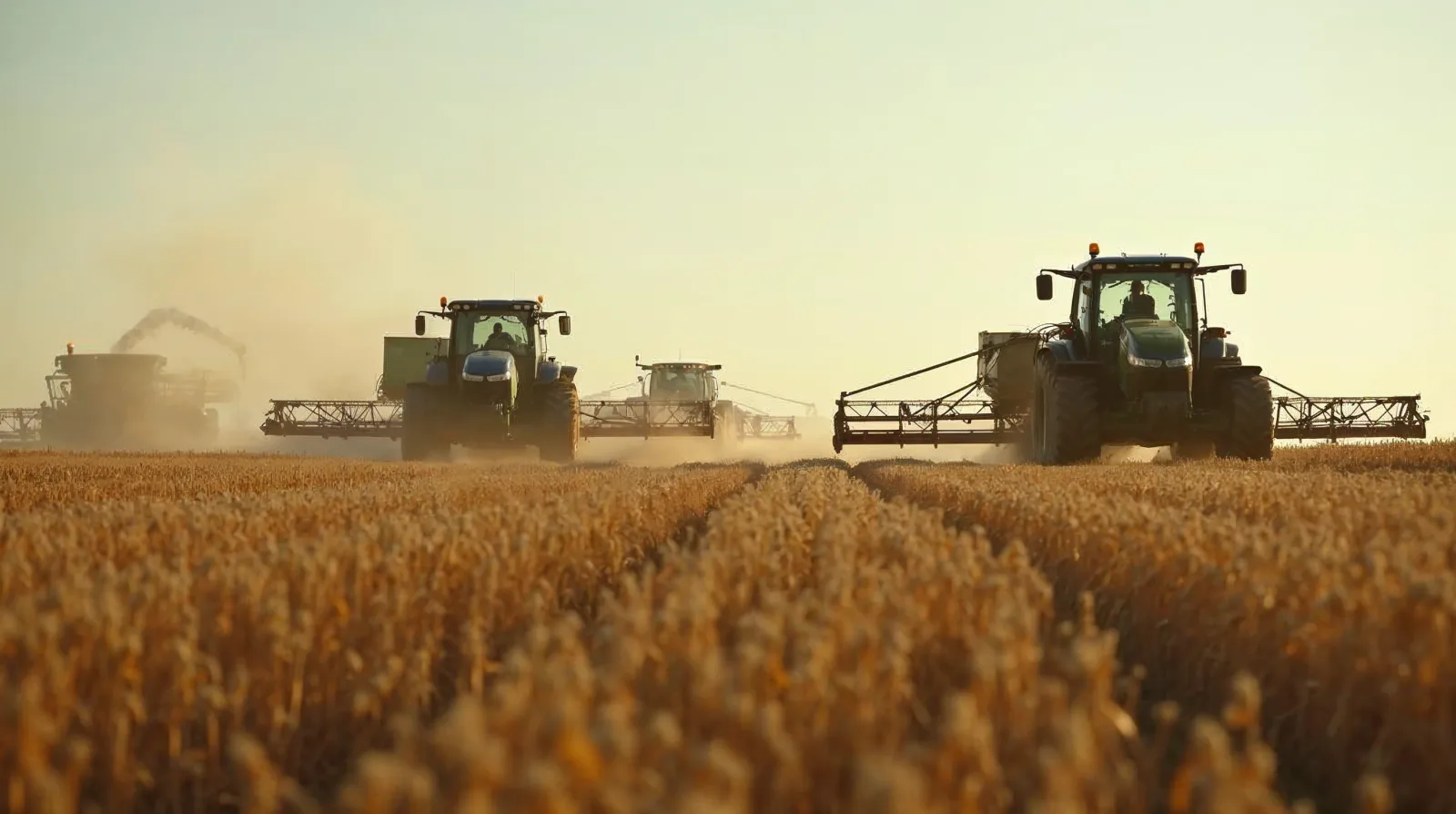
If you farm fields with point rows, odd corners, terraces, waterways cutting through the middle, or irregular boundaries - and that describes most real ground outside the Nebraska panhandle - you are almost certainly double-planting and double-spraying a meaningful percentage of your acres every pass. The problem is not operator error.
Read More →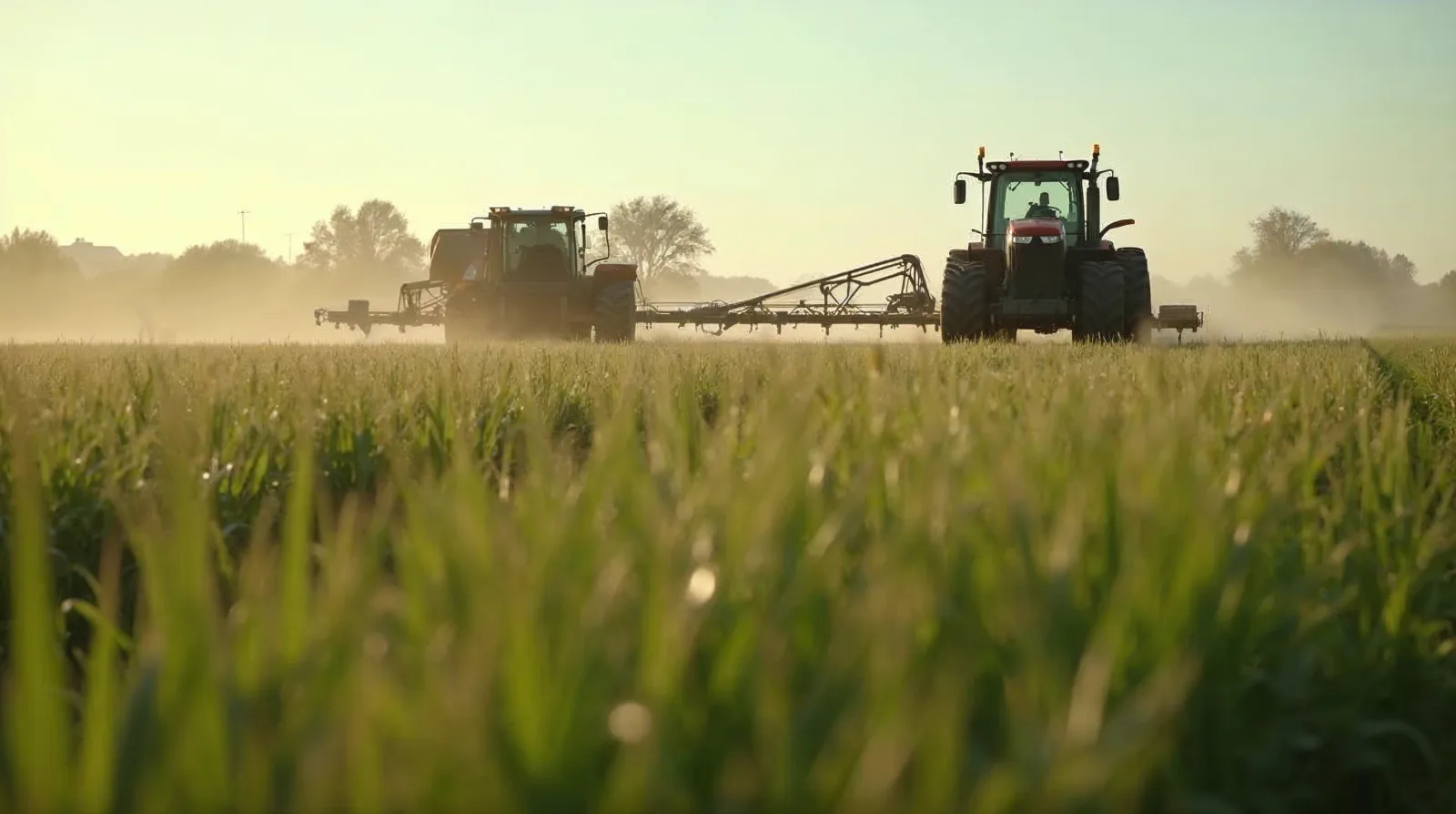
The herbicide bill is one of the largest controllable line items on a row crop operation, and it has been creeping up for two decades. Glyphosate-resistant weeds have forced operators back into residual chemistry, residual chemistry has forced overlapping passes and tank mixes, and tank mixes have pulled in active ingredients that cost three to five times what glyphosate cost when it was still doing the heavy lifting on its own.
Read More →
Your seeding rate is always higher than your target plant population, because not every seed becomes a harvestable plant. The formula that ties them together is: seeding rate = desired final population divided by (germination percent times expected emergence percent).
Read More →
Silage is the only feed on most livestock operations that is grown, harvested, stored, and fed without anyone ever putting a price tag on it the way they would on a load of purchased corn or a ton of soybean meal. It sits in the bunker as a green wall, it gets pushed up to the cattle every day, and the assumption is that what went in is roughly what comes out.
Read More →
Few topics in modern agriculture have generated as much noise, as many sales calls, and as much genuine confusion as soil carbon credits. A farmer who has spent the last three years getting cold calls and conference-booth pitches about carbon programs could be forgiven for assuming the whole thing is either free money or a scam, and the truth is that it is neither.
Read More →
A penetrometer measures soil strength, not compaction directly, so mapping soil compaction means logging georeferenced cone-index readings taken near field capacity, averaging five pushes per point, and charting resistance by depth. The map is a diagnosis, not a cure: rip only the zones above roughly 300 psi, at the depth the layer sits, then control traffic so it stays fixed.
Read More →
Most operations that get into variable rate technology start at the wrong end. They buy the rate controller, the variable rate spreader, the prescription software, and then they go looking for the data to drive it all, and what they find is that they do not actually have a good map of how their soil changes across the field.
Read More →
A soil microbiome DNA test sequences the bacteria, fungi, and nematodes in your soil to reveal living biology that a standard chemical test cannot see. It is worth paying for when the result maps to a specific pre-plant decision you would actually change, such as a hybrid, trait, seed treatment, or rotation choice.
Read More →
Running irrigation on a schedule - set it Monday, run it Thursday regardless of what the soil actually holds - is one of the more expensive habits in production agriculture. You're either watering ground that doesn't need it yet, or you've already stressed the crop waiting for the calendar to turn.
Read More →
Soil sensors can be some of the most practical technology on a farm - when they are deployed with a clear purpose. The goal is not to blanket every acre with electronics.
Read More →
The soil test is the most important number on the farm and most operations are still working off data that is two or three years old, sampled in the wrong places, or interpreted by somebody who has never set foot on the field. The 2026 picture is that the laboratory soil test is still the gold standard for fertility decisions and is going to remain the gold standard for the foreseeable future, but the supplement of cheaper handheld instruments and reasonable DIY kits has reached the point where it can fill in the gaps the lab cannot fill economically.
Read More →
A remote fence monitor is a solar or battery powered sensor that reads your fence voltage every couple of minutes and pushes an alert to your phone the moment it drops below a threshold you set. Its one job is to tell you a far paddock's fence has gone dead while the cattle are still inside it - so you learn the fence failed from the house, not from a neighbor calling about stock on the road.
Read More →
Water is the quiet limiting factor in almost every rotational grazing plan, and it tends to be the thing that gets worked out last when it should have been worked out first. A grazier can map paddocks, plan rest periods, and figure stocking rates down to the animal, and then run into the plain fact that the cattle will not travel half a mile to drink without trampling a lane, fouling the nearest paddock, and grazing the country around the water source down to dirt while the far corners go untouched.
Read More →
For years the connectivity problem on a working farm had one answer: live with it. DSL that topped out at 3 Mbps if the line was dry, a cellular signal that came and went with the wind, or a fixed-wireless tower you could see from the yard but somehow never got a clean shot at.
Read More →
Yes, you can test your soil's pH at home without a lab. A calibrated pocket meter is the most trustworthy option, followed by a color dye kit and pH strips.
Read More →
It is 2 a.m. in late February, the sleet is coming in sideways, and a first-calf heifer is not where she is supposed to be.
Read More →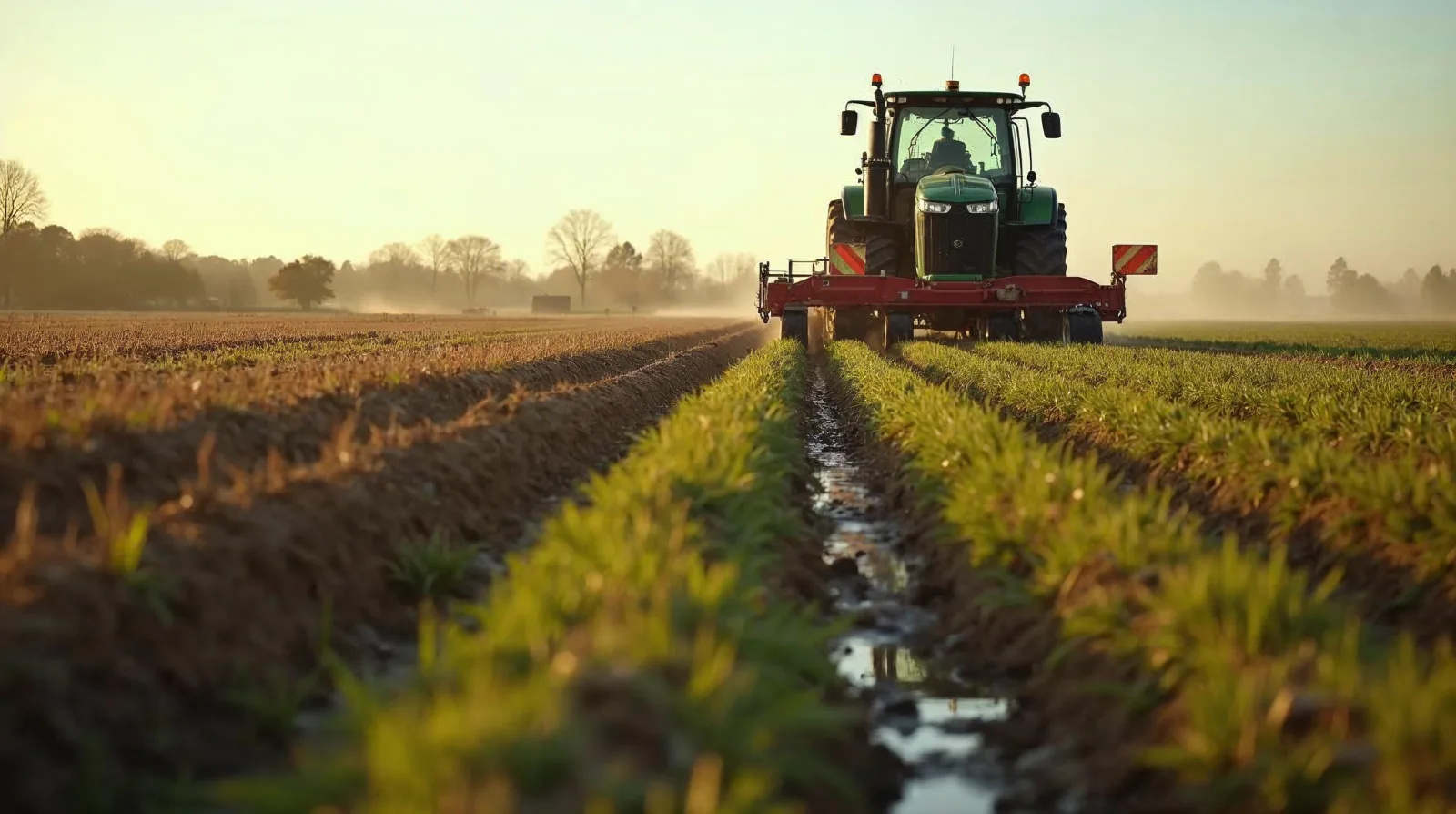
Conventional tile drainage is one of the most consequential investments a row-crop operation ever makes, and once it is in the ground it is treated as if the work is done. The tile pulls water off the field whenever the field has water to give, the lateral runs to the main, the main runs to the outlet, and the outlet runs to the ditch.
Read More →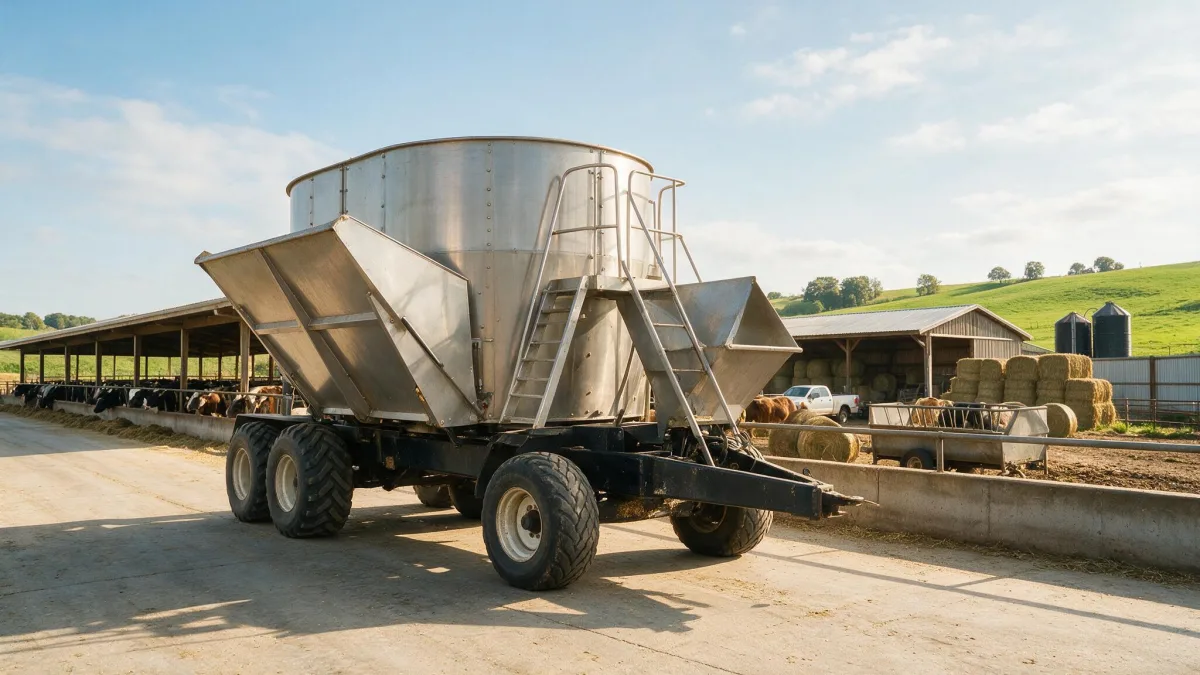
The scale head on a total mixed ration mixer hits ration targets by weighing every ingredient as it loads, but accuracy comes from the operator loading to the real target instead of the tolerance edge. Load cells and feed software do not make feeding accurate on their own.
Read More →
The right to repair fight has been dragging through state legislatures, federal regulators, and equipment company boardrooms for the better part of a decade, and the situation in 2026 is finally different from the situation that came before it. Multiple states have passed binding agricultural right to repair laws, the original 2023 memorandum of understanding between John Deere and the American Farm Bureau Federation has been tested in real cases, the Federal Trade Commission has begun enforcement action on specific repair restriction practices, and three of the major manufacturers have rolled out genuine self-service portals that release diagnostic and calibration tools that were previously dealer-locked.
Read More →
A modern row-crop tractor leaves the dealer with more sensors than a 2005 airliner. Engine load, fuel rate, hydraulic pressure, ground speed, slip percentage, coolant temperature, DEF level, hours on each major component, GPS position, and a hundred CAN-bus messages per second are all being measured continuously regardless of whether the operator looks at any of them.
Read More →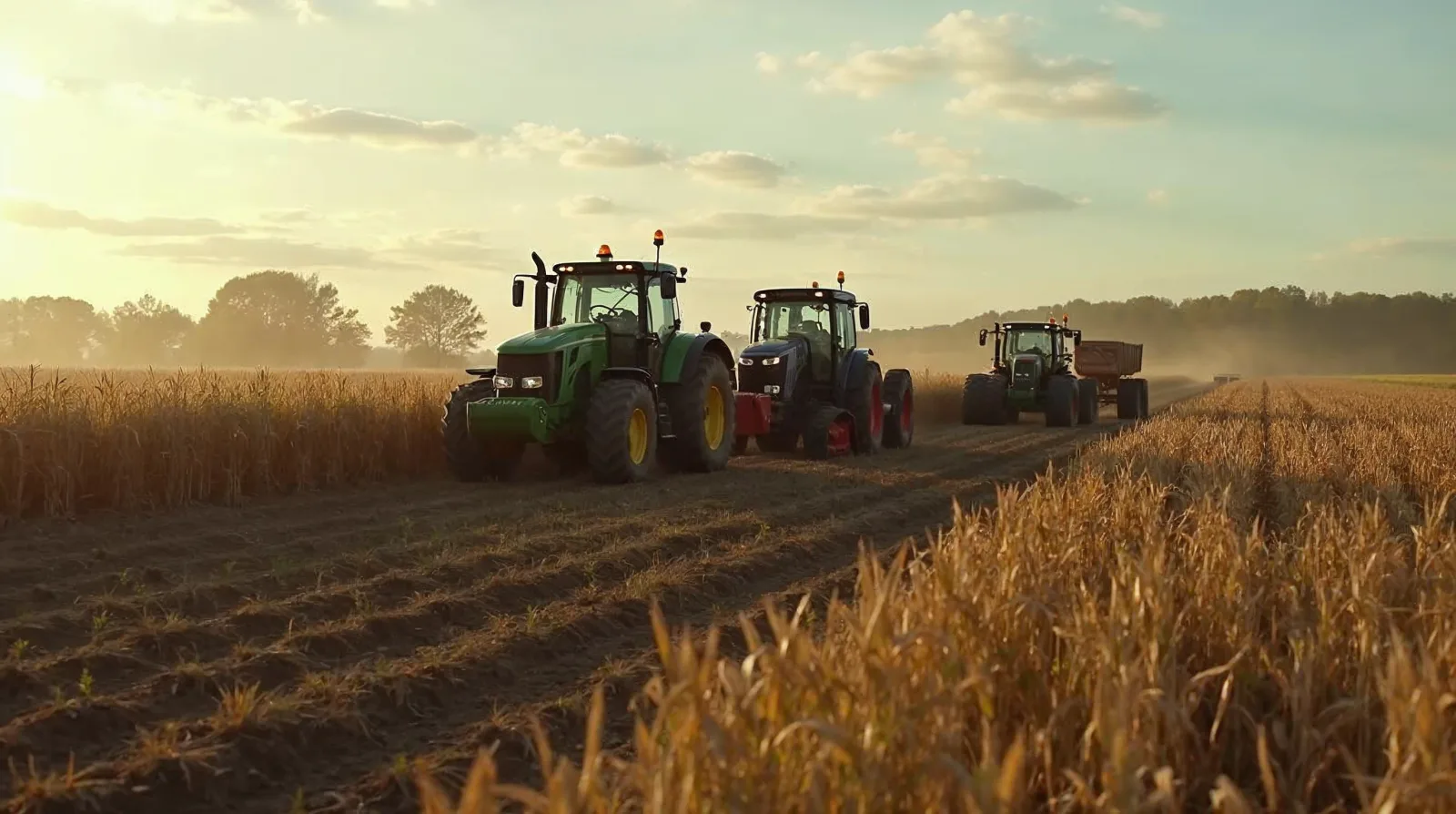
Buying used equipment used to mean driving to a sale barn, walking the rows of tractors and balers, kicking tires alongside neighbors you had known for thirty years, and bidding against faces you could read. That world has not disappeared, but it has been pushed to the side by something faster, larger, and a good deal less forgiving.
Read More →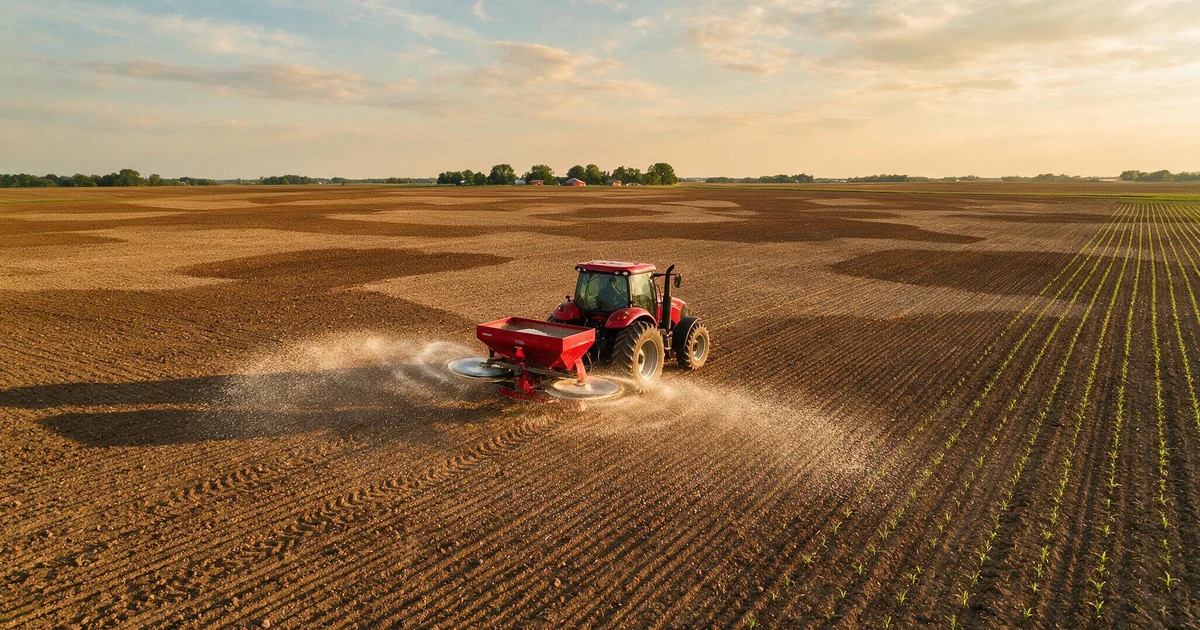
Variable-rate fertilizer application uses a soil-test prescription map to change the pounds of dry phosphorus, potassium, or lime dropped as the spreader moves across a field. A GPS rate controller adjusts the metering on the go, so high-testing ground gets less and deficient ground gets more instead of one flat rate everywhere.
Read More →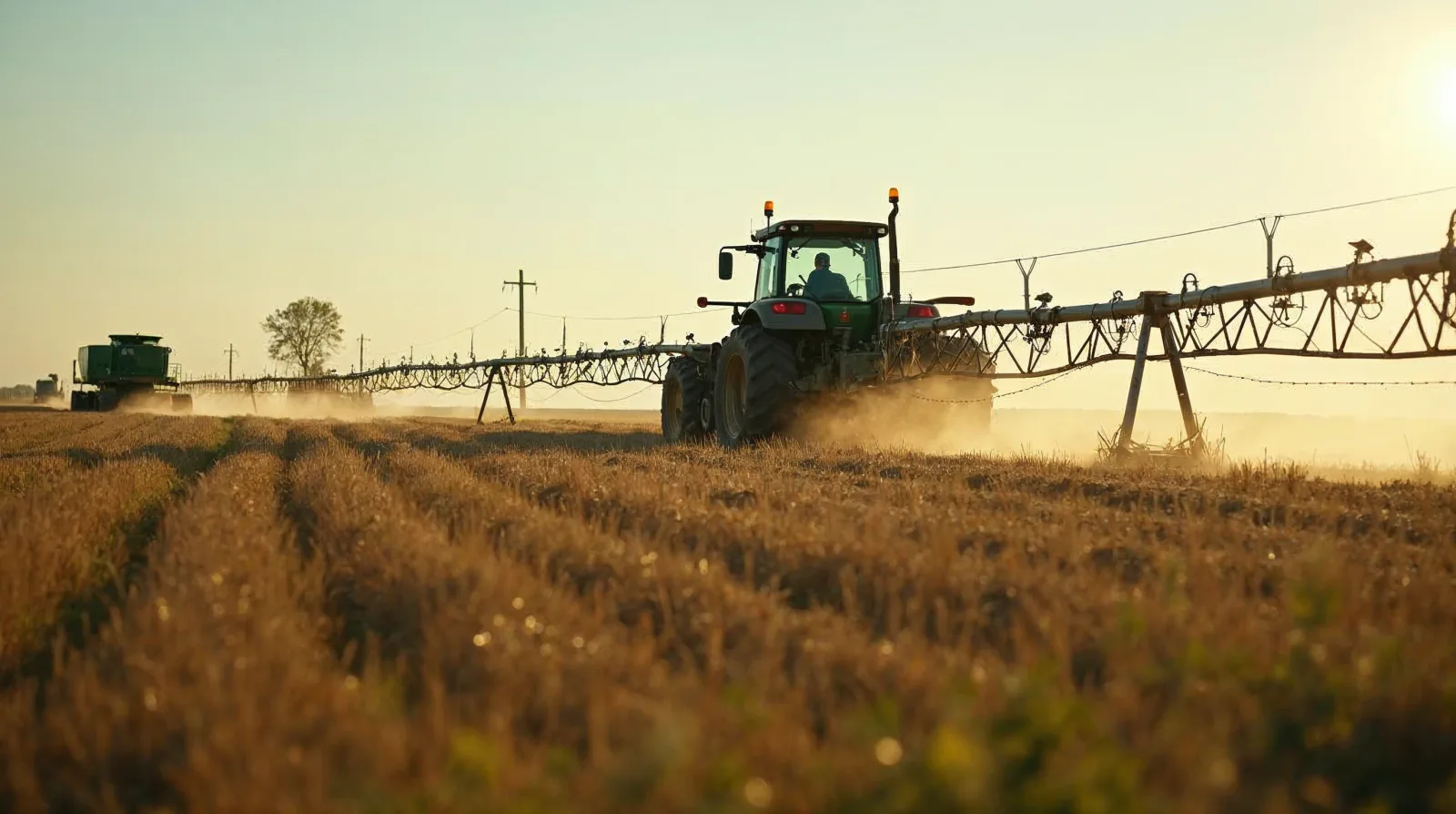
Walk a center pivot field in July and watch what the machine actually does. It lays down the same inch of water on the sandy knoll that drains in an hour, the clay bottom that stays soggy for three days, the grassed waterway that grows nothing you sell, and the gravel access road.
Read More →
Walk a field with a soil probe and you learn something uncomfortable fast: that field does not have a pH. It has a map of pH.
Read More →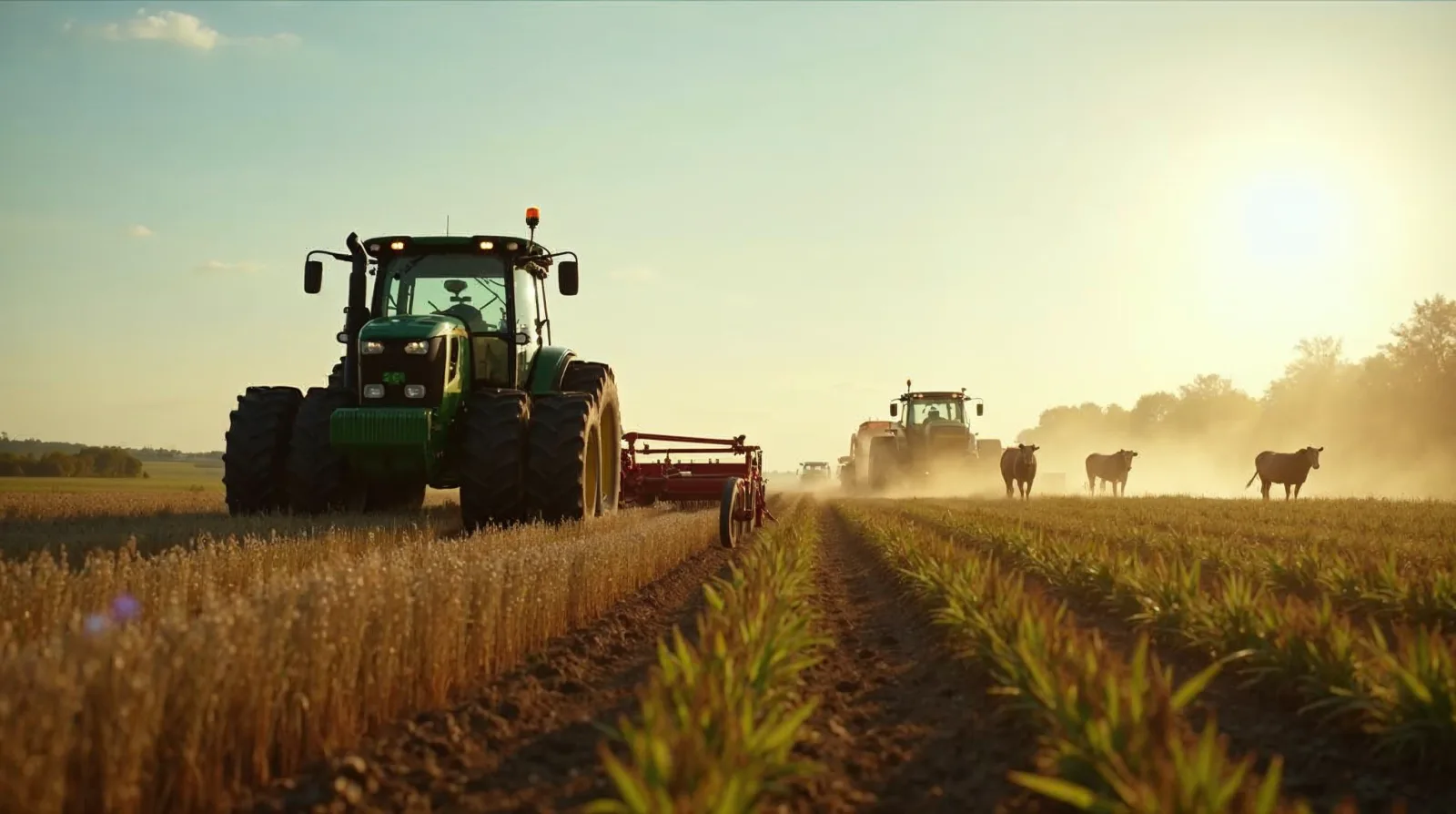
Nitrogen is the most expensive input on most corn operations and the hardest one to get right. Put too little on and you leave yield in the field.
Read More →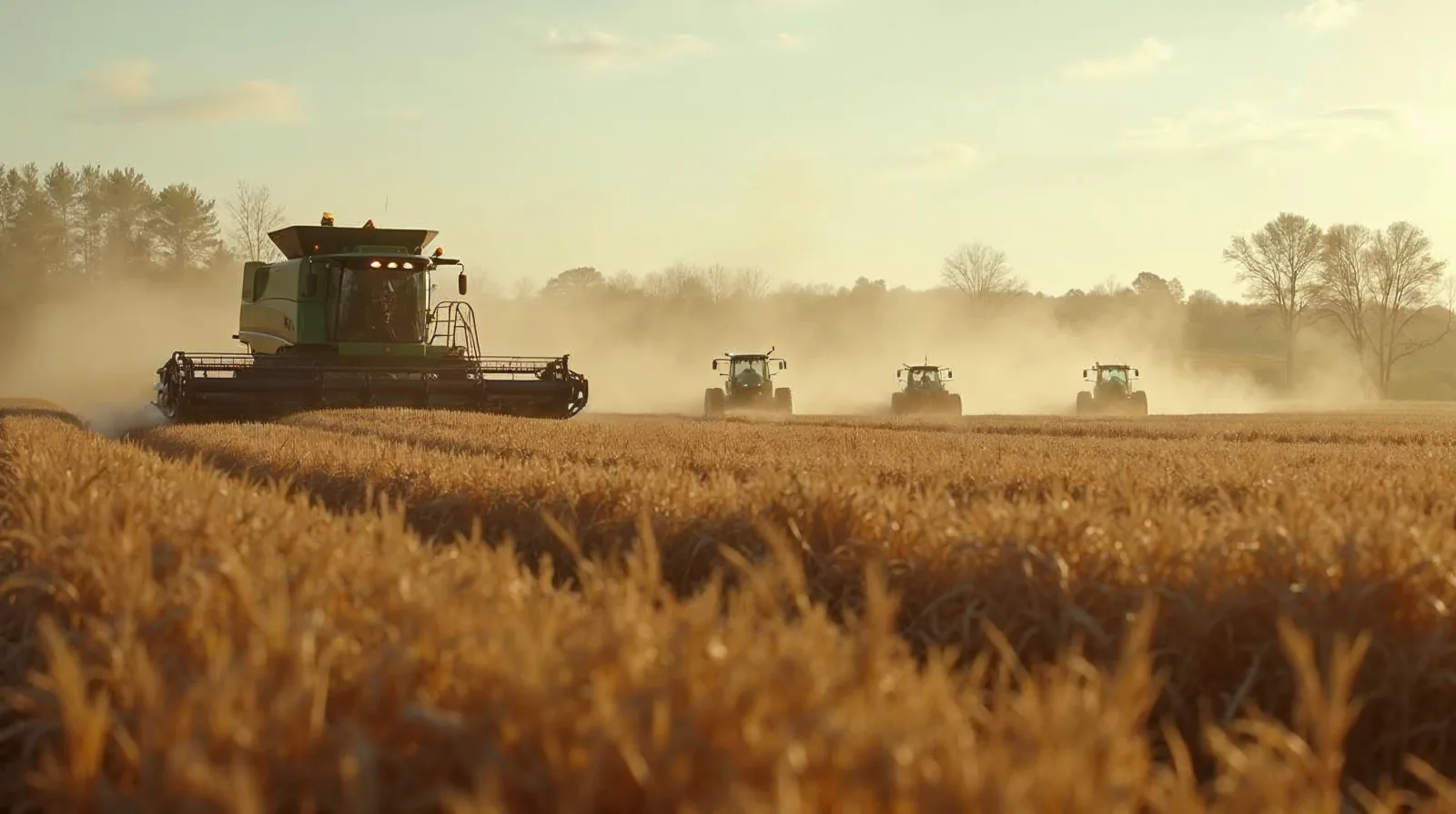
Variable rate seeding changes your planter's population zone by zone instead of running one flat rate. In university trials it returned about $3 to $13 per acre in corn on variable ground, and it rarely pays in soybeans.
Read More →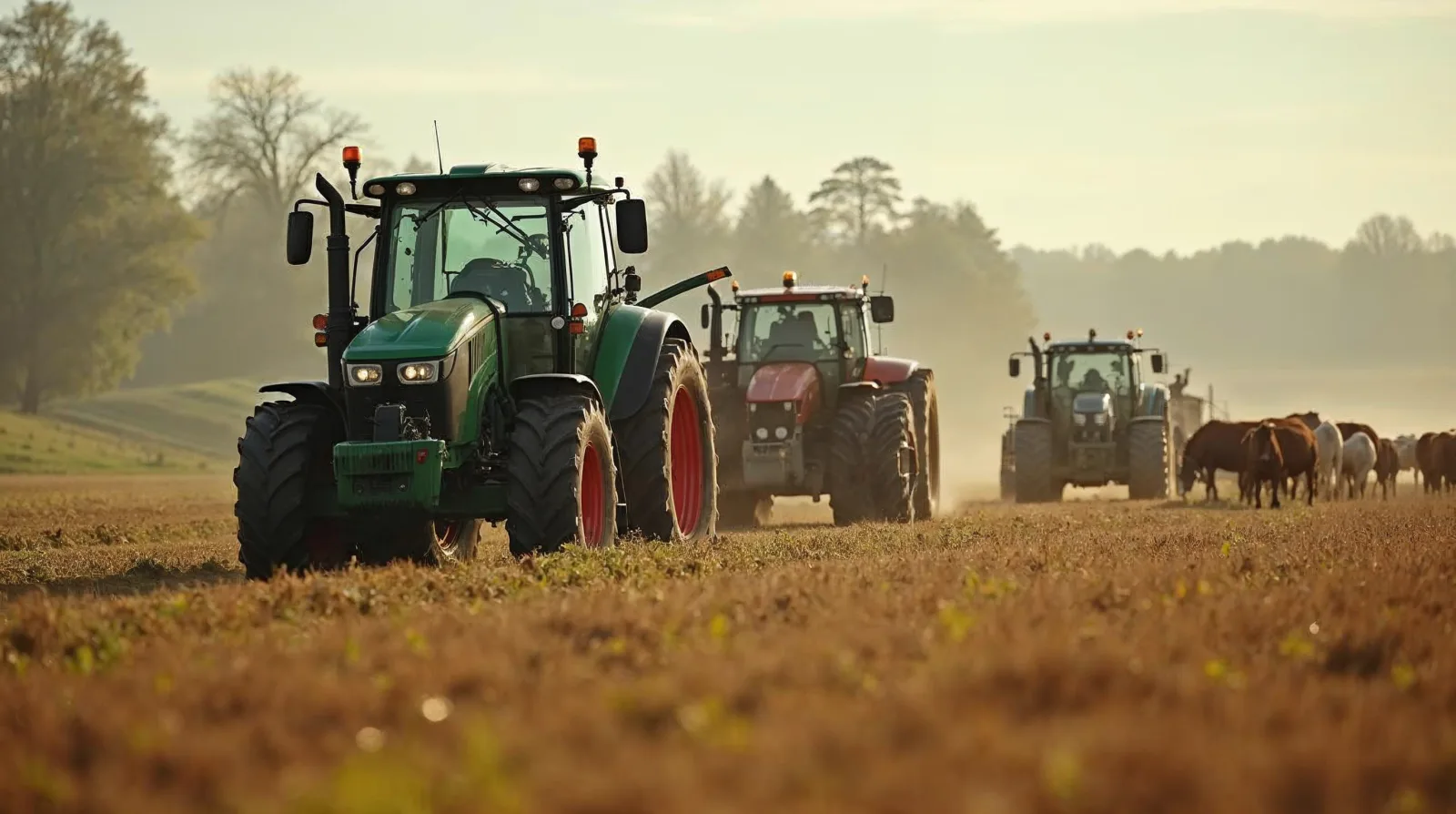
Variable rate technology, or VRT, is the practice of changing input rates across a field based on where the rate is actually needed. Instead of spreading 200 pounds of nitrogen uniformly across 80 acres, you put 240 on the productive ground, 180 on the average ground, and 120 on the sandy knoll that never pays you back.
Read More →
A vertical farm is a climate-control machine that happens to grow lettuce. The real work is not stacking trays, it is holding light, airflow, humidity, and nutrients in balance cheaply enough that the power bill does not eat the crop.
Read More →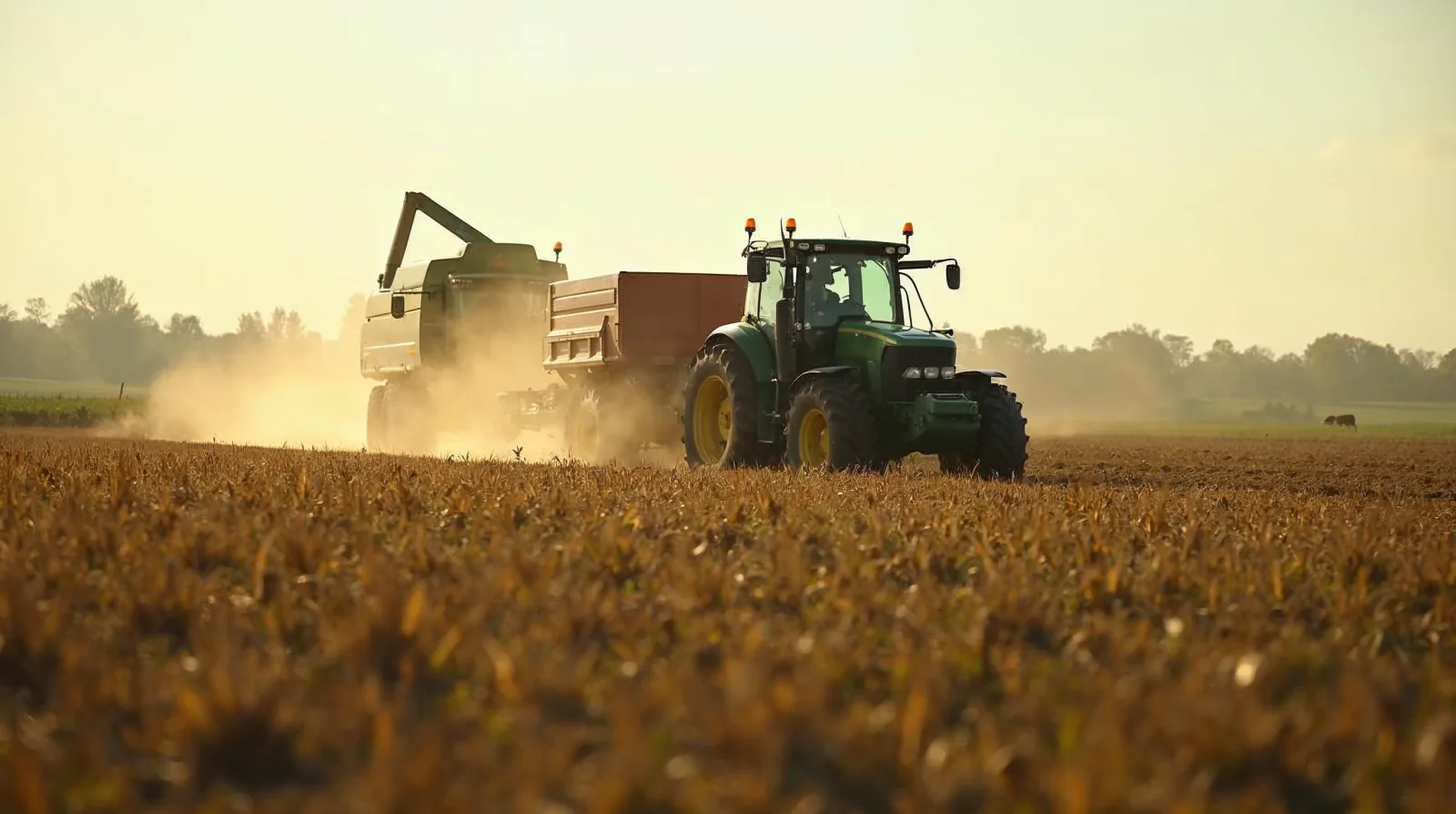
Water management is where technology can deliver real, measurable returns. It is also an area where bad data or poorly tuned systems can waste money fast.
Read More →
The best farm water quality system is tiered, not a single probe. A certified lab test is your ground truth for nitrate and sulfate, a handheld EC/TDS/pH meter is your frequent check, and a continuous telemetry sensor earns its place watching the robust parameters - salinity, pH, and water level - for trends and alarms, not for a lab reading in a tube.
Read More →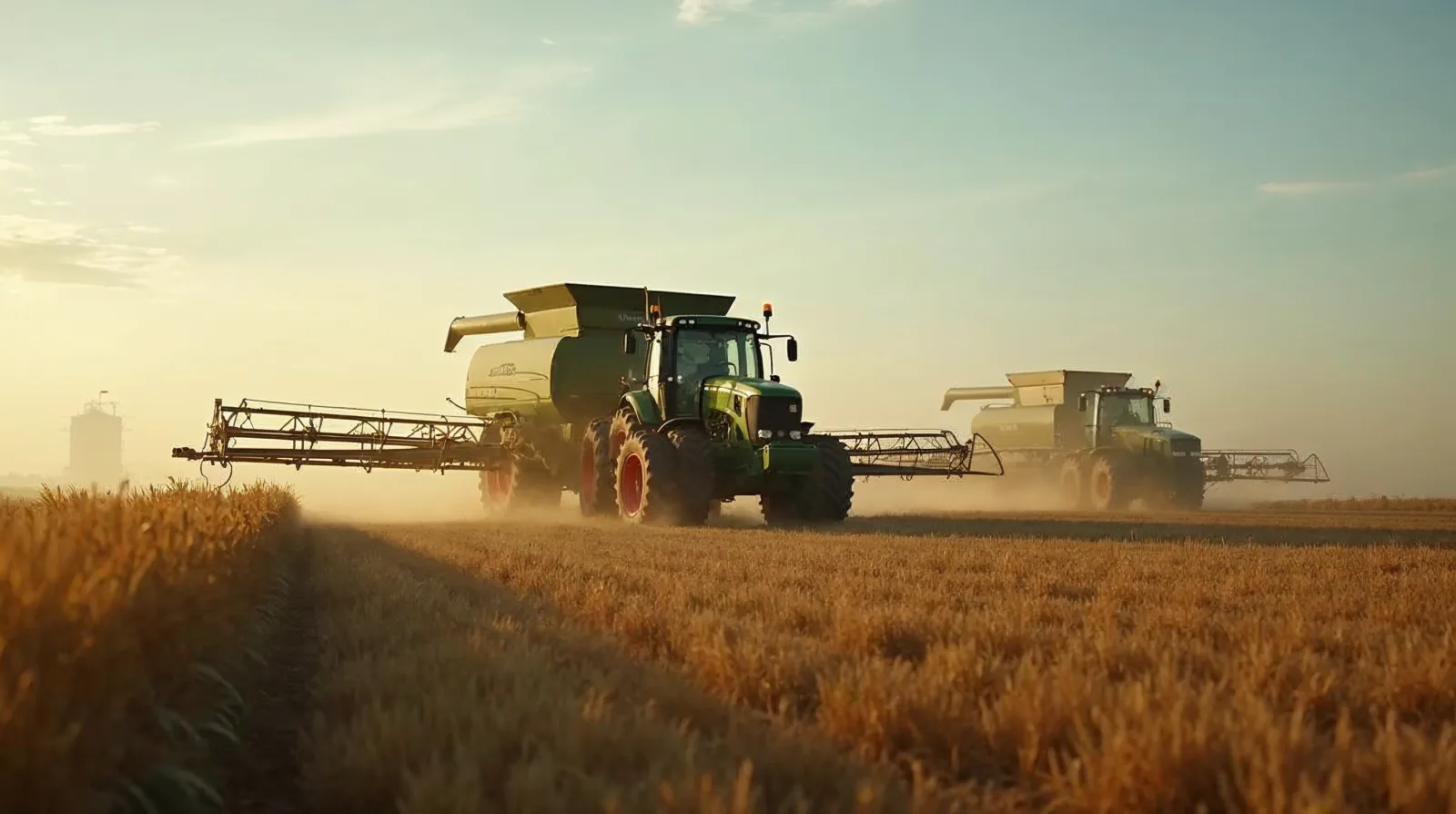
A spray window app really does three separate jobs: it checks whether wind is inside your label's mph band, whether a temperature inversion is trapping fine droplets near the ground, and whether rain will wash the product off. The catch most farmers miss is that the best inversion tools measure the air directly, while most apps only estimate it.
Read More →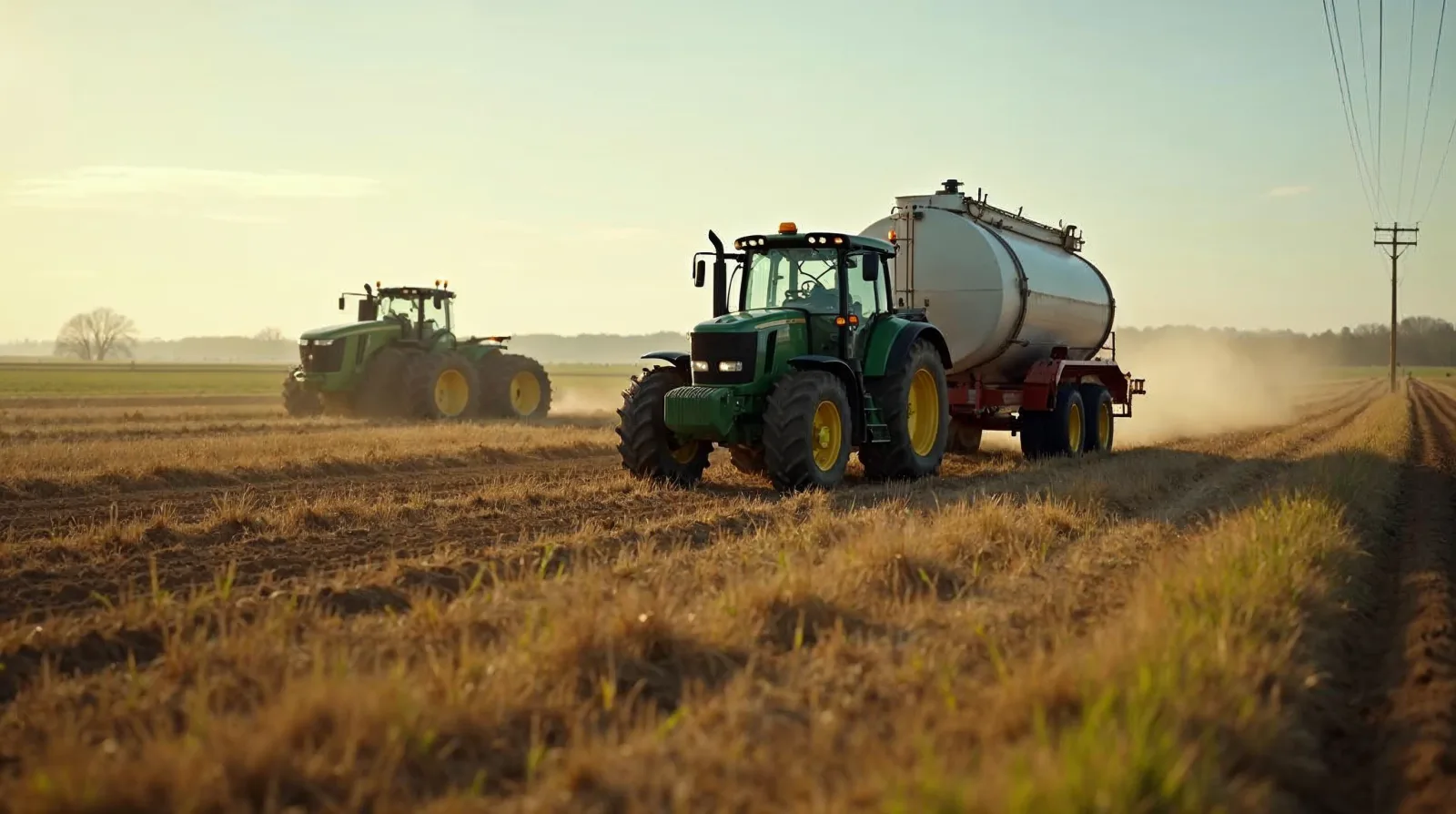
Running out of diesel at the wrong moment - mid-planting, mid-harvest, a hundred acres from the shop - is one of those entirely preventable problems that still happens on farms every year. The same goes for a stock tank that goes dry on a hot August afternoon, or a nurse tank of liquid fertilizer that runs out halfway through the field because nobody checked it before the applicator left the yard.
Read More →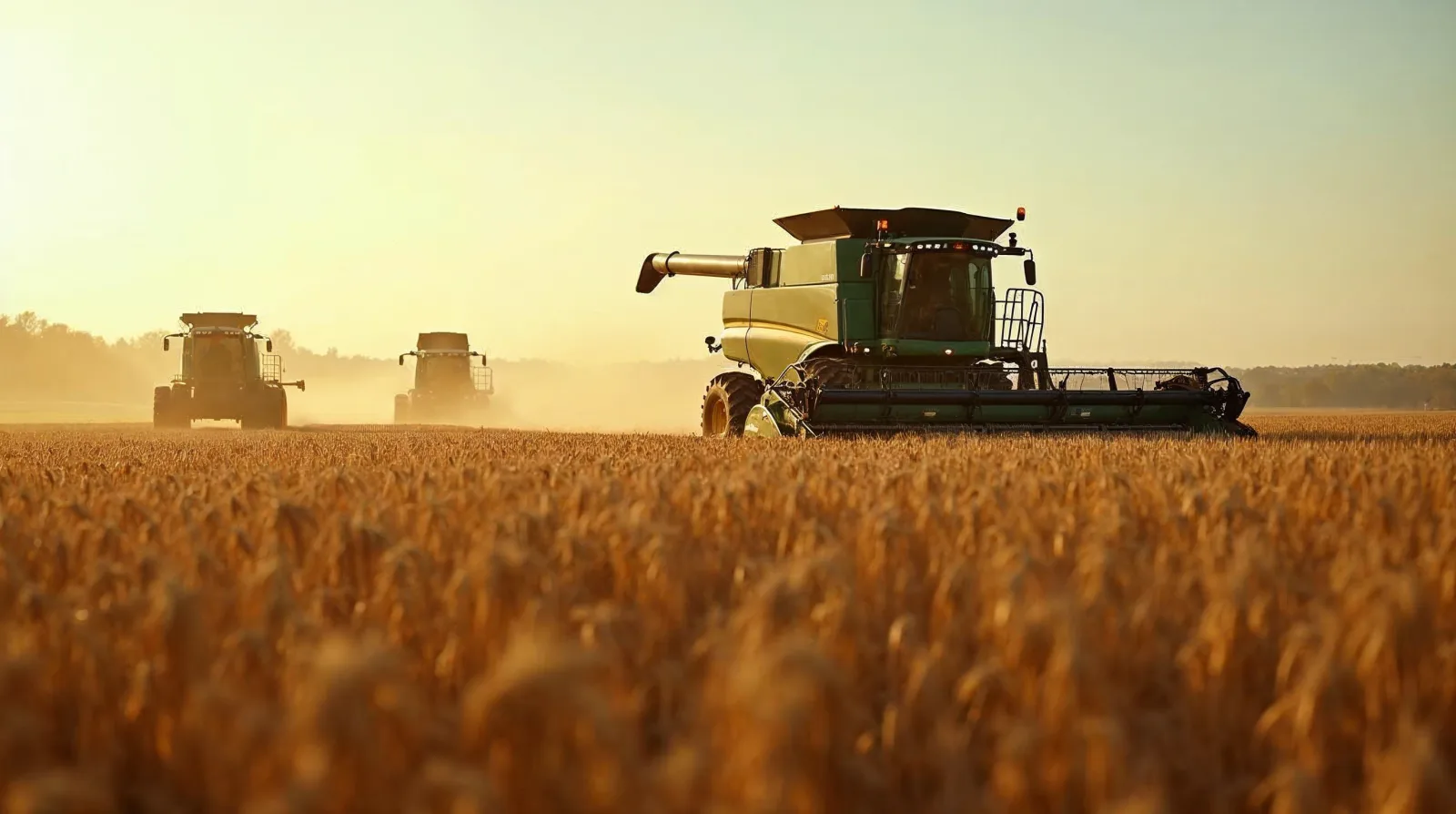
A yield map is supposed to be the most honest document a farm produces. It is the place where every input decision, every weather event, every drainage tile, and every soil compaction issue from the last twelve months gets settled.
Read More →